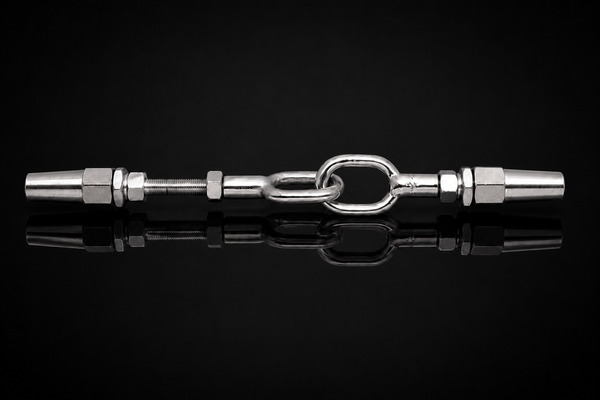
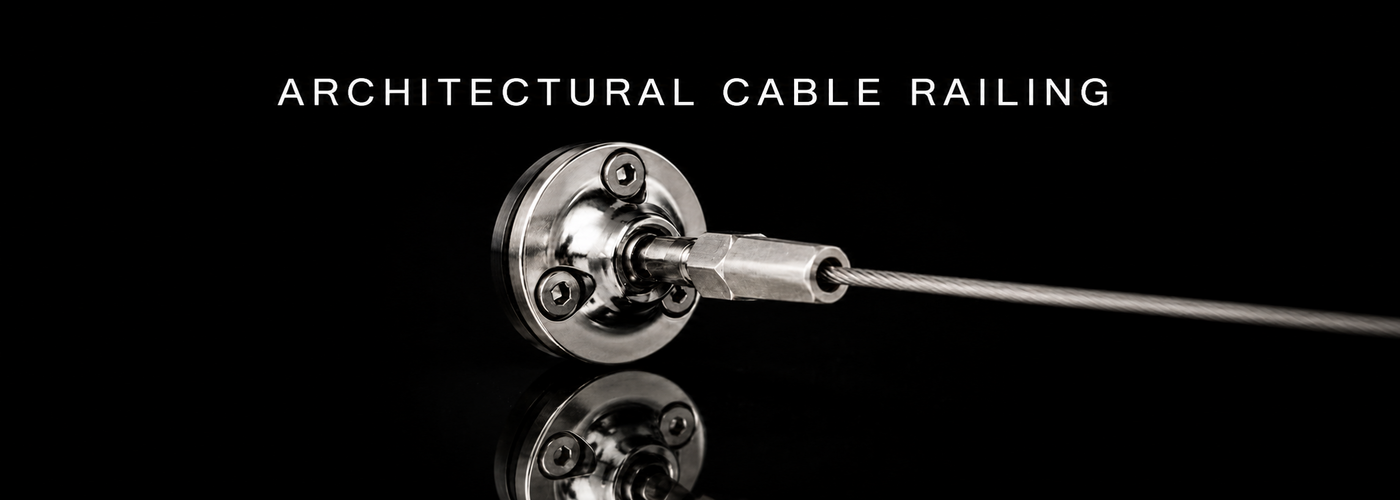
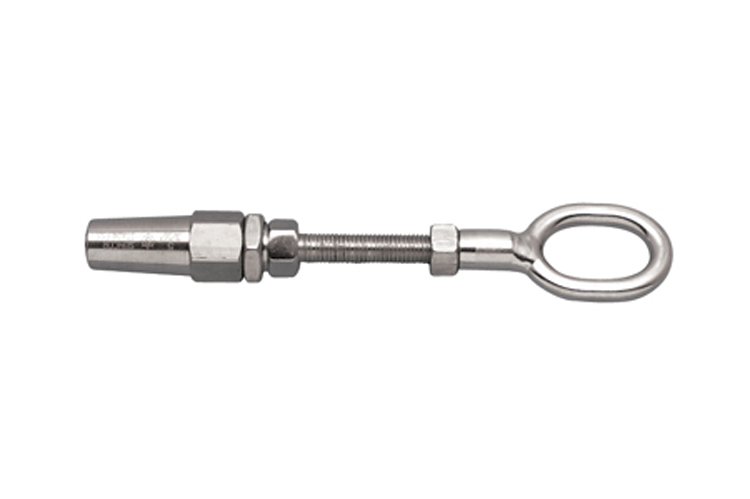
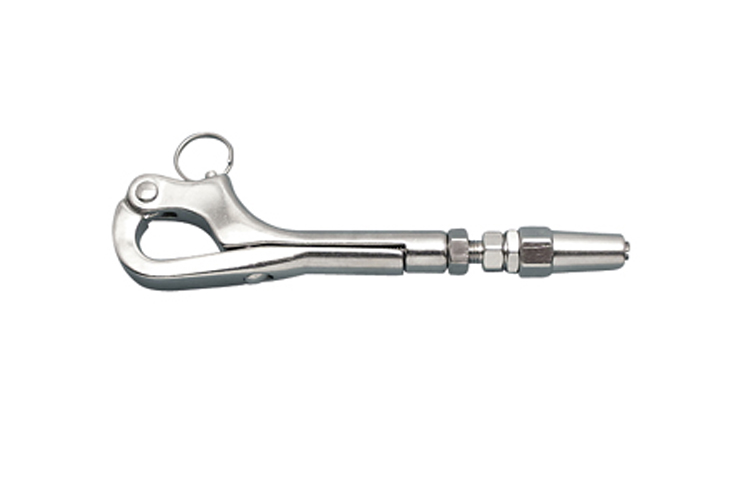
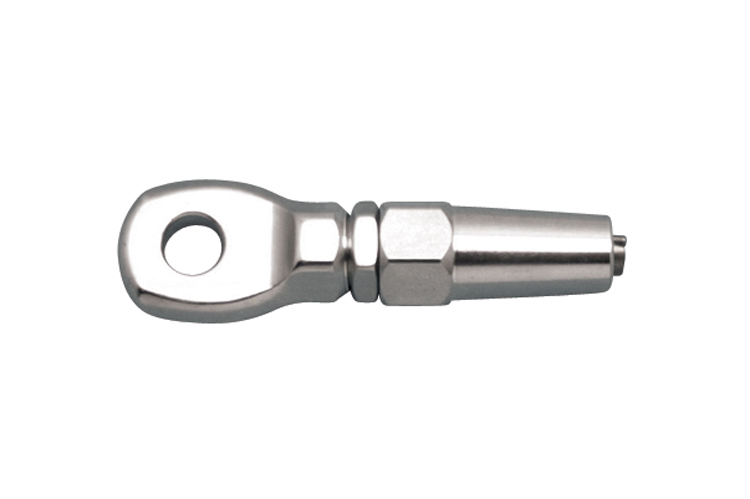
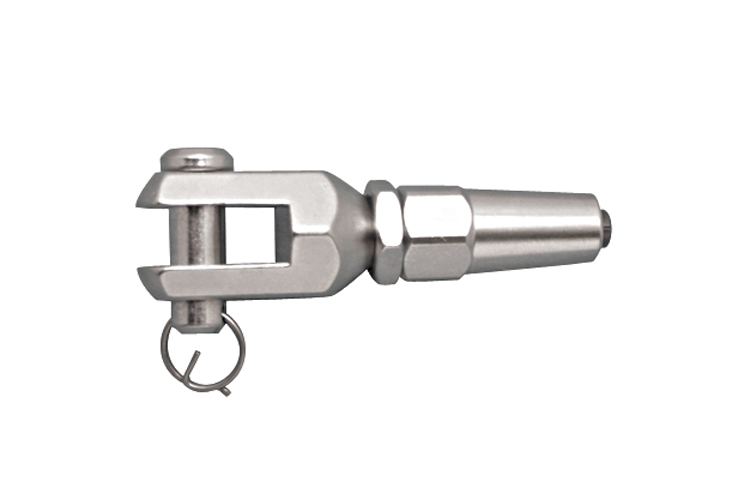
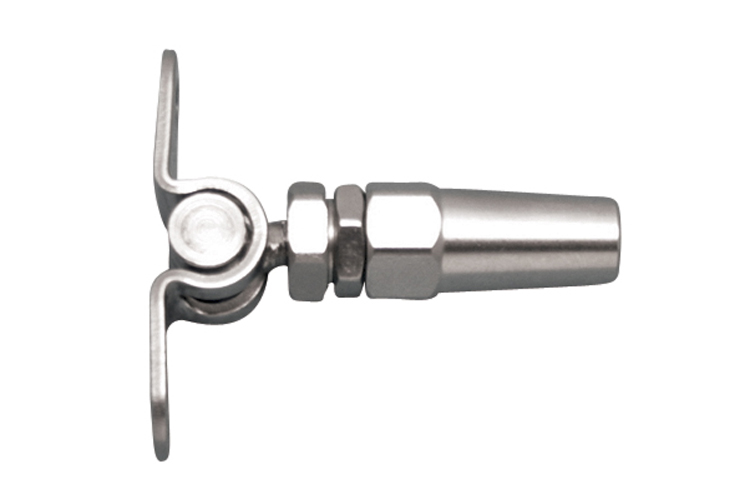
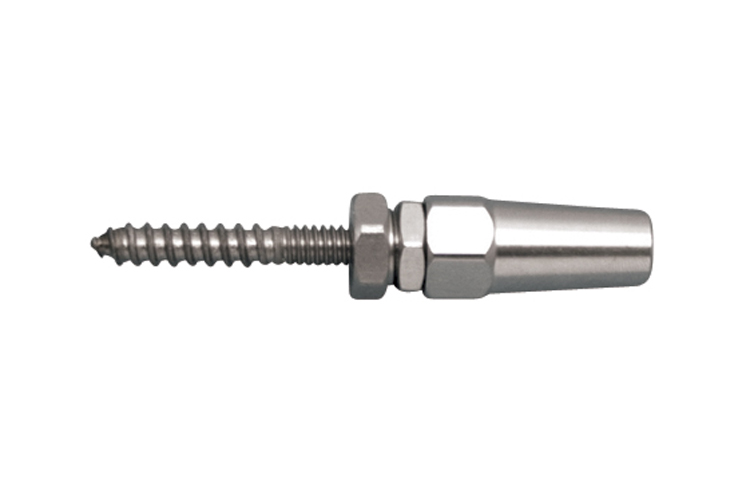
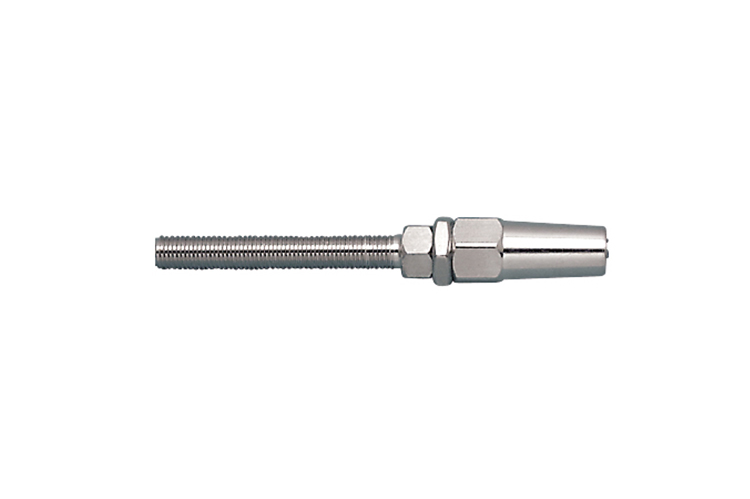
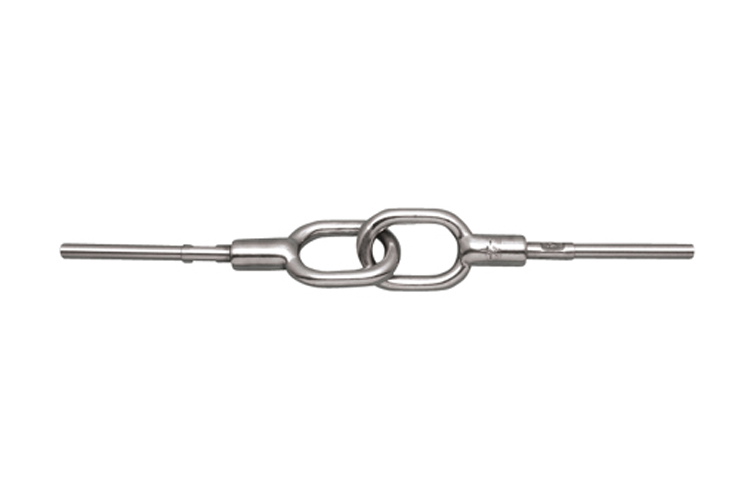
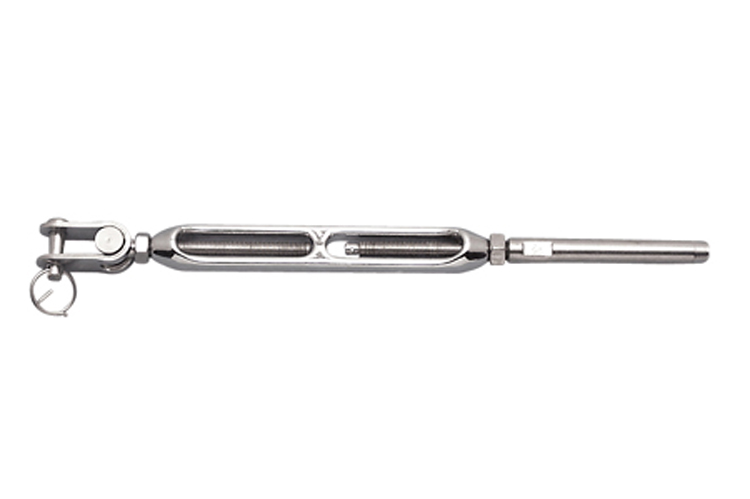
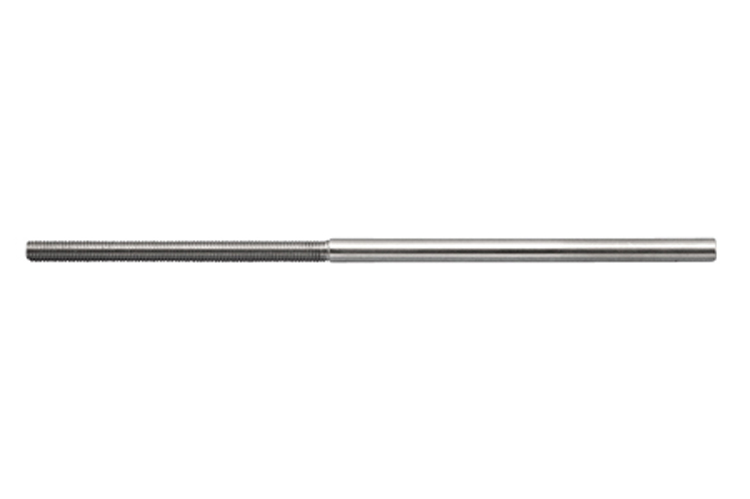
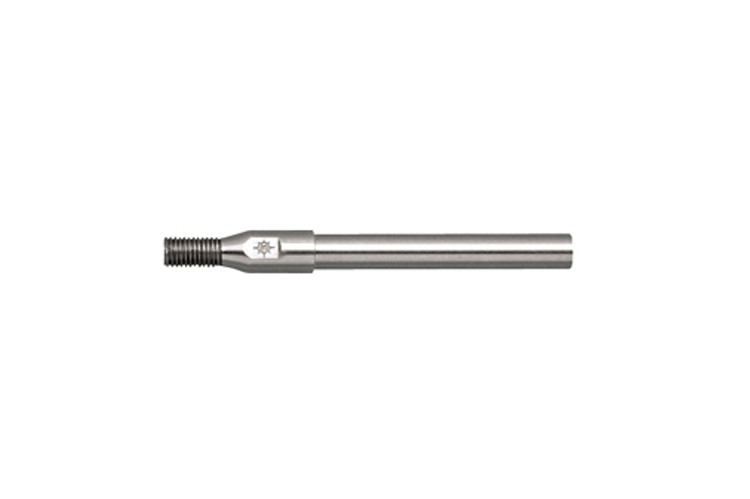
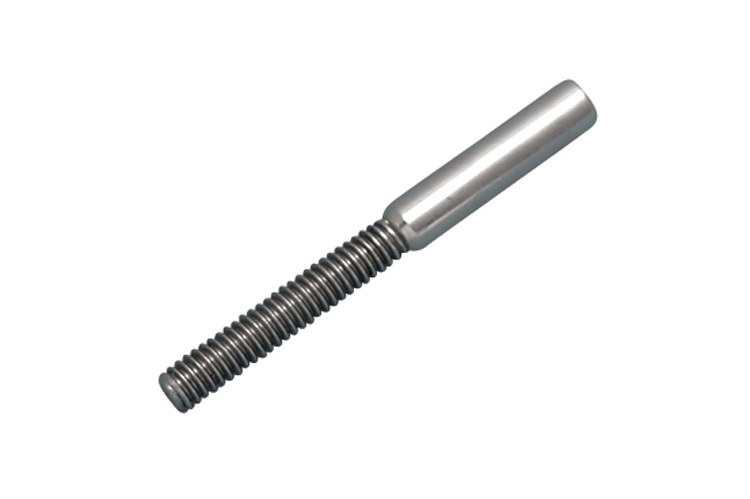
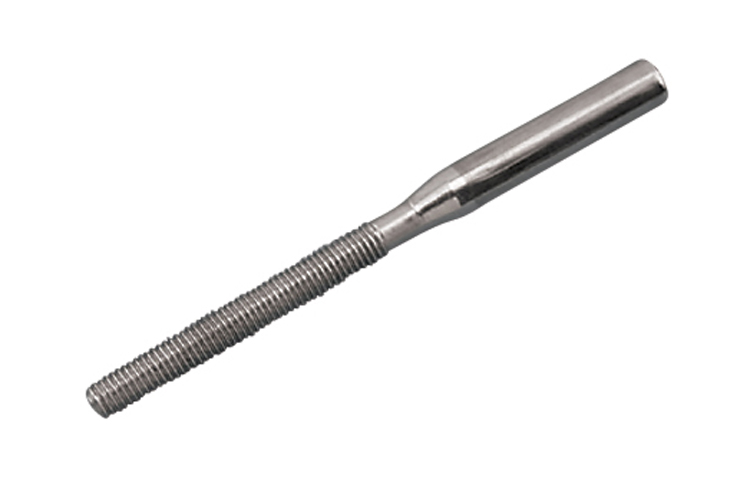
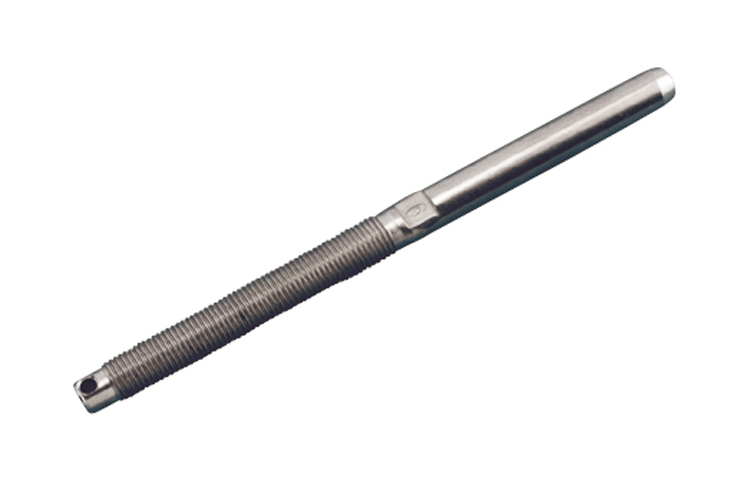
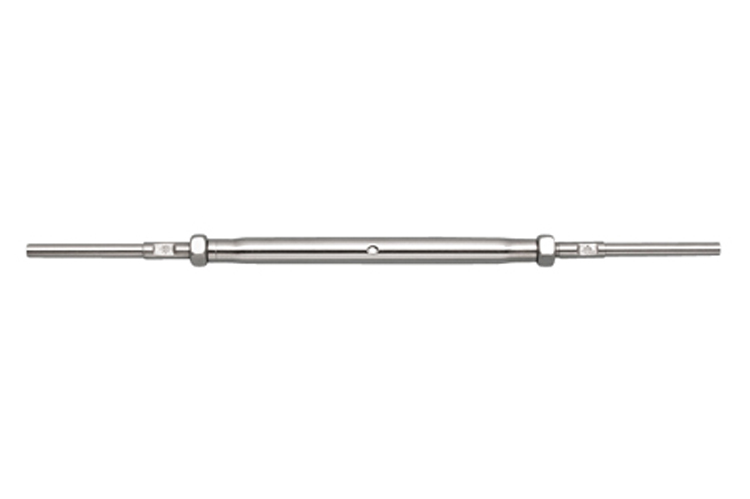
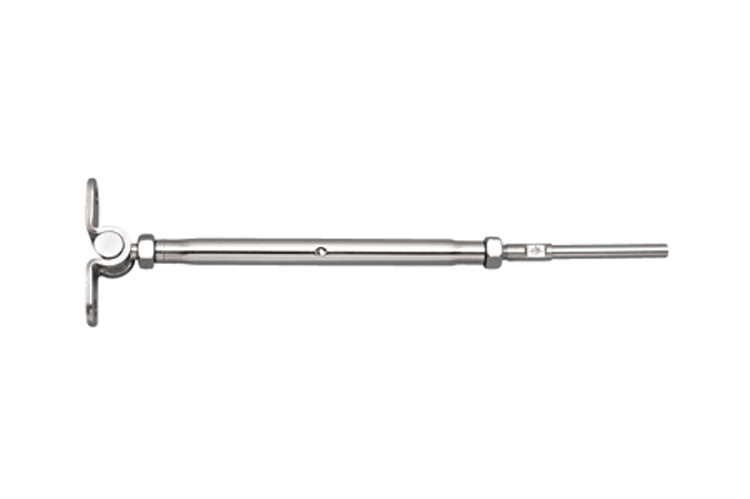
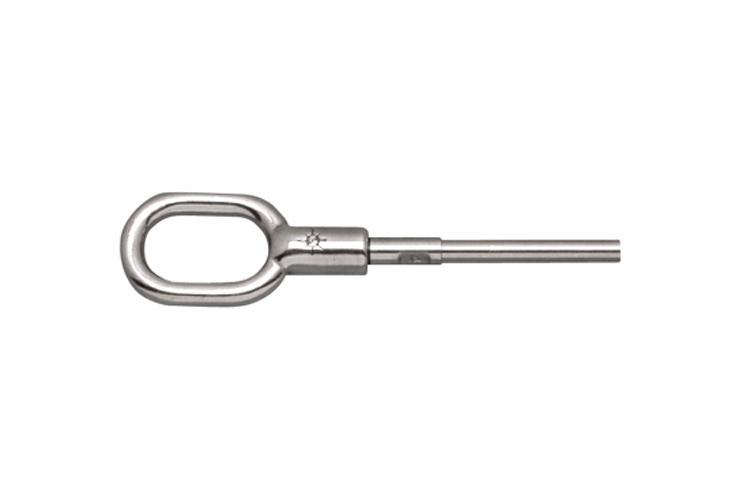
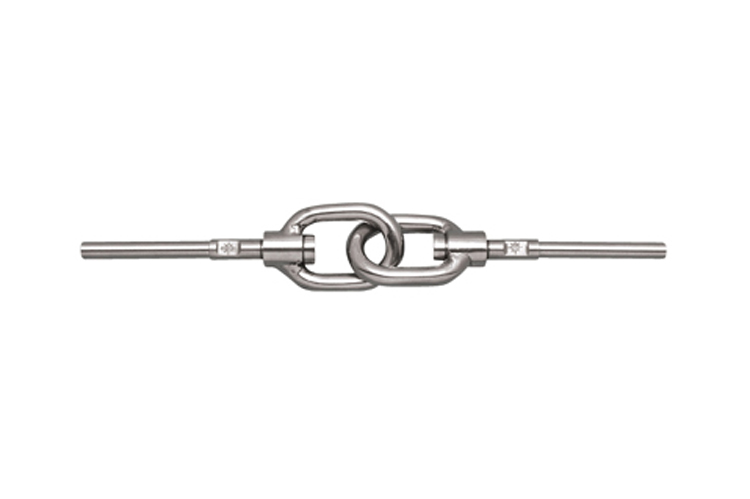
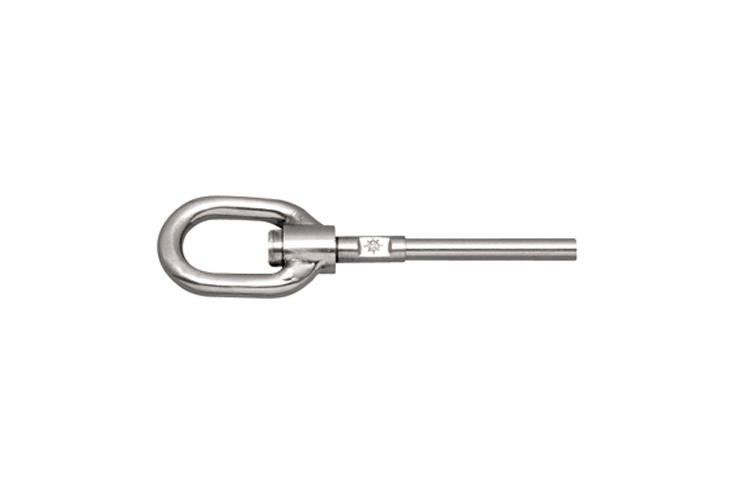
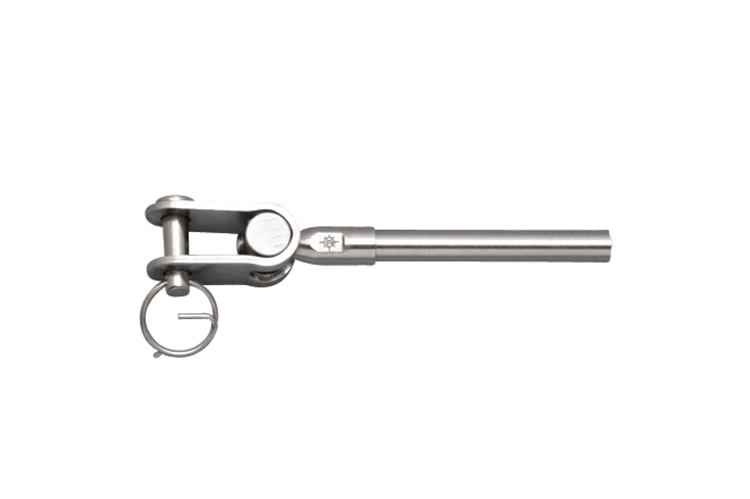
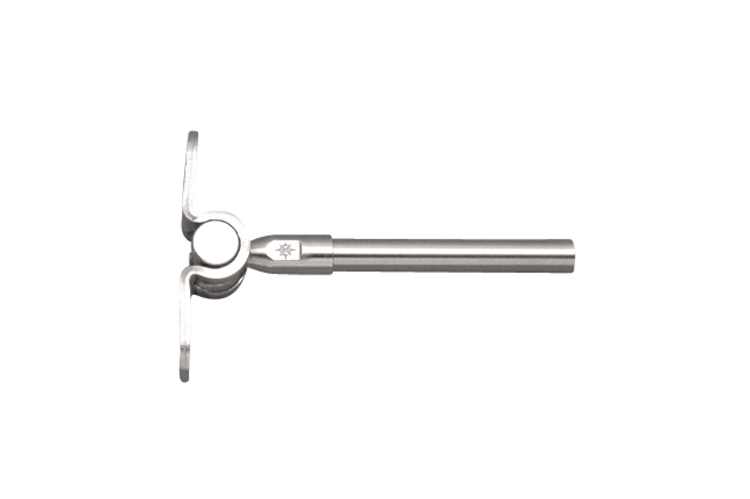
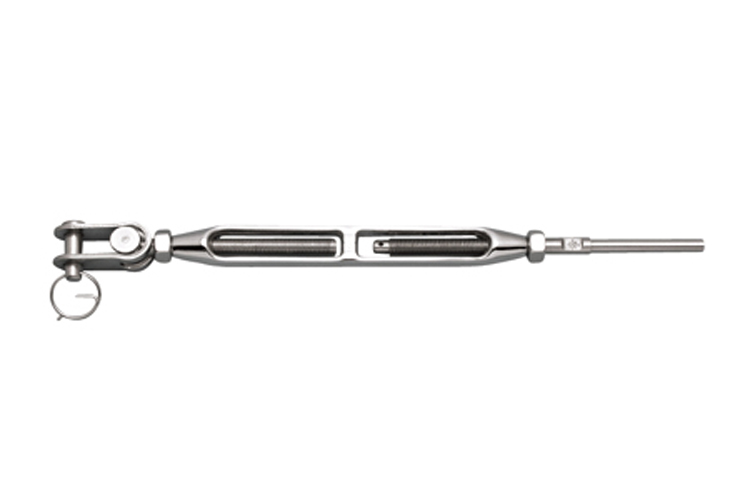
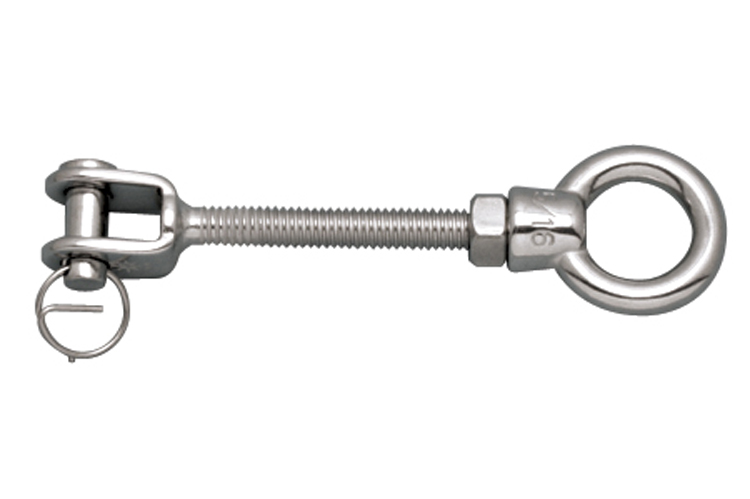
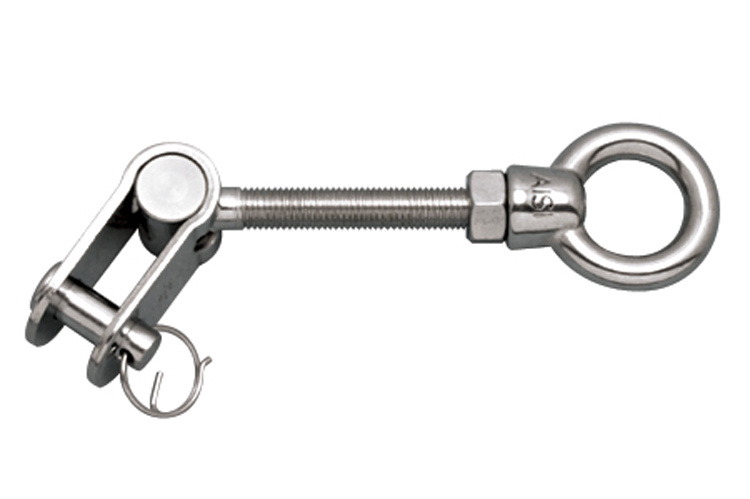
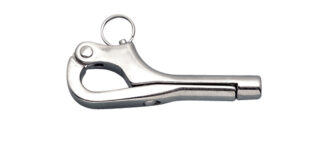
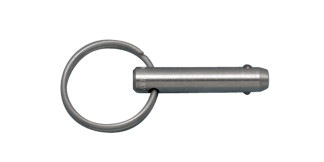
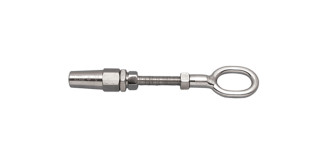
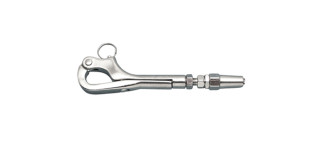
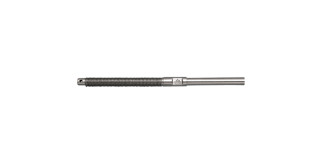
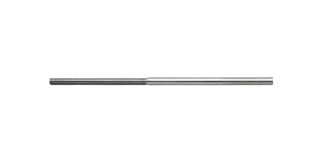
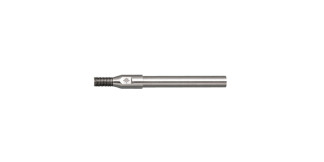
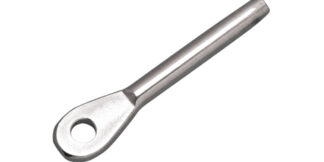
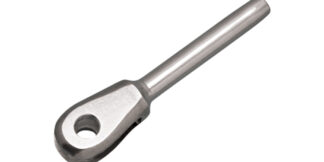
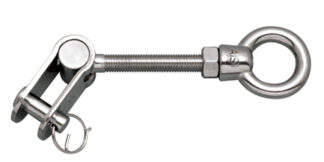
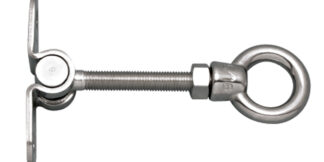
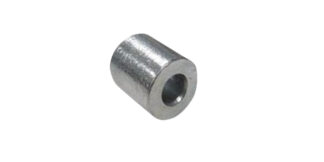
Shop architectural turnbuckles for cable railing and other correctly engineered tensioned-wire systems. The current collection includes toggle-to-toggle turnbuckles…
Select the system, end fitting, installation method or material you need. Options within one section broaden the results; selections in different sections work together.
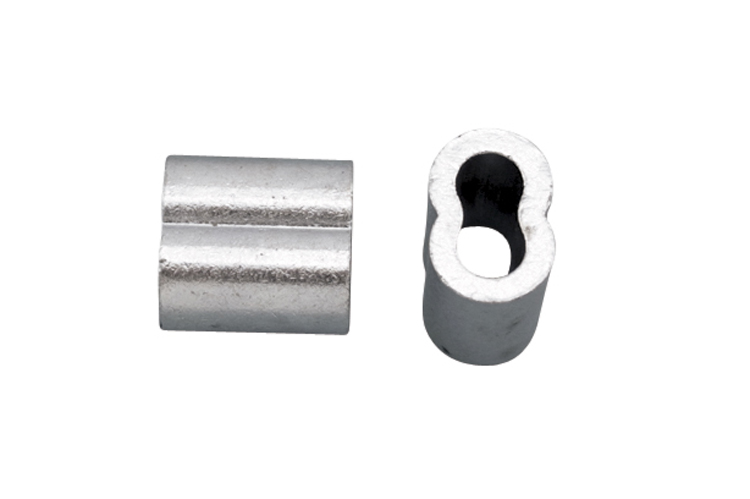
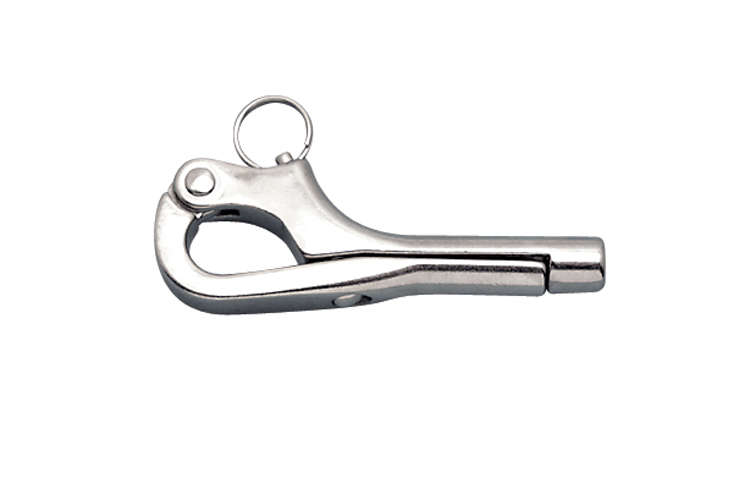
Architectural cable railing hardware includes terminals, tensioners, turnbuckles, sleeves, gate fittings and mounting components used to connect and tension wire rope in railing and other architectural cable systems. Each part must match the cable, thread and installation method.
What is the difference between swageless and swage fittings?
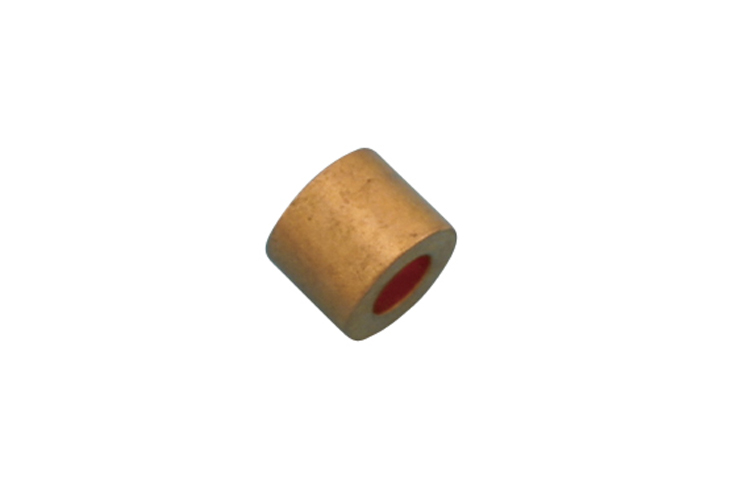
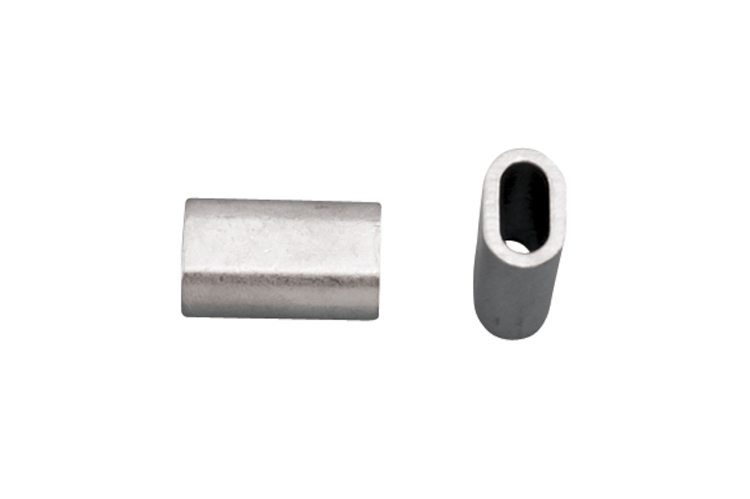
Swageless fittings assemble mechanically without a powered swaging machine and are convenient for field installation. Swage fittings are permanently compressed onto wire rope with a correctly sized hand or machine swager. Follow the exact fitting and cable instructions.
What is the difference between hand swage and machine swage?
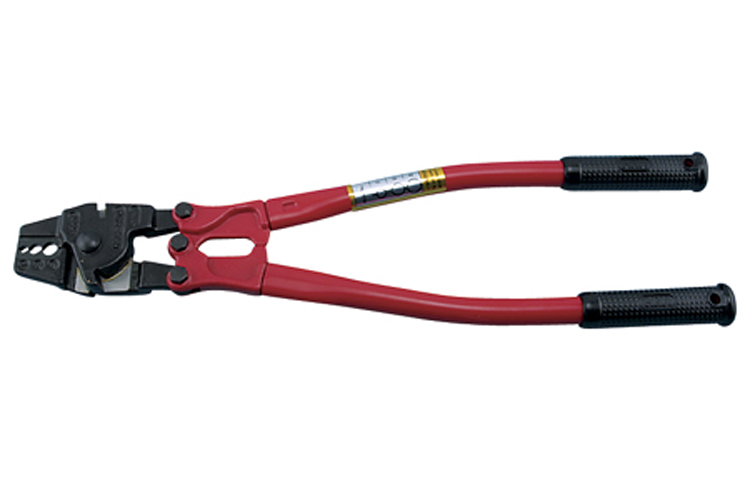
Hand-swage fittings are designed for a compatible manual swaging tool and usually use multiple controlled compressions. Machine-swage fittings require dedicated powered equipment and the specified dies. Never substitute one process for another unless the manufacturer permits it.
Why do cable railing systems use left-hand and right-hand threads?
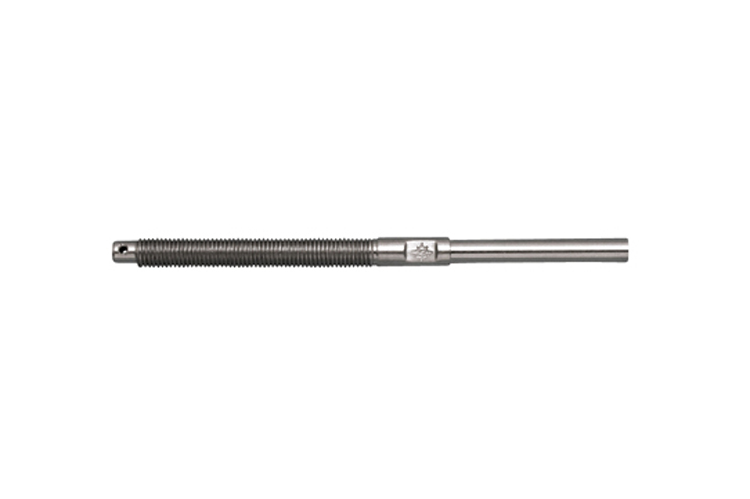
Opposing thread directions allow a turnbuckle or tensioning body to draw both ends inward as it rotates. Match every replacement stud or terminal to the correct left- or right-hand thread before assembly.
What is the difference between UNC and UNF threads?
UNC is a coarse thread series and UNF is a fine thread series. Parts with the same nominal diameter but different pitch are not compatible. Confirm diameter, pitch, direction and engagement length on the product page.
How do I choose between an eye, jaw, toggle and stud terminal?
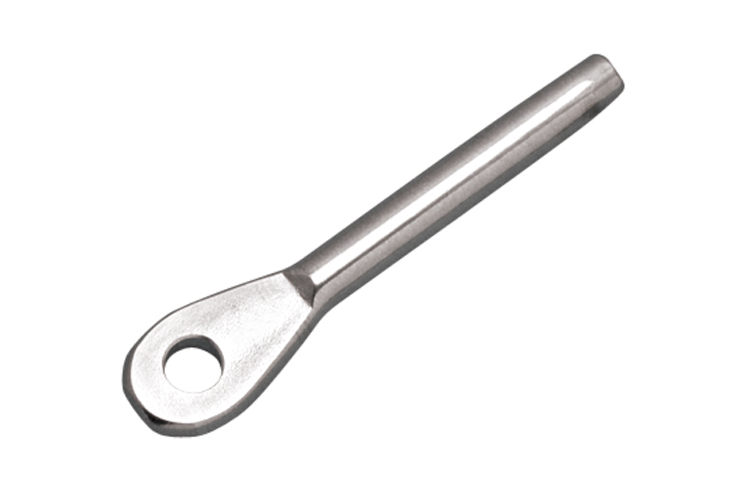
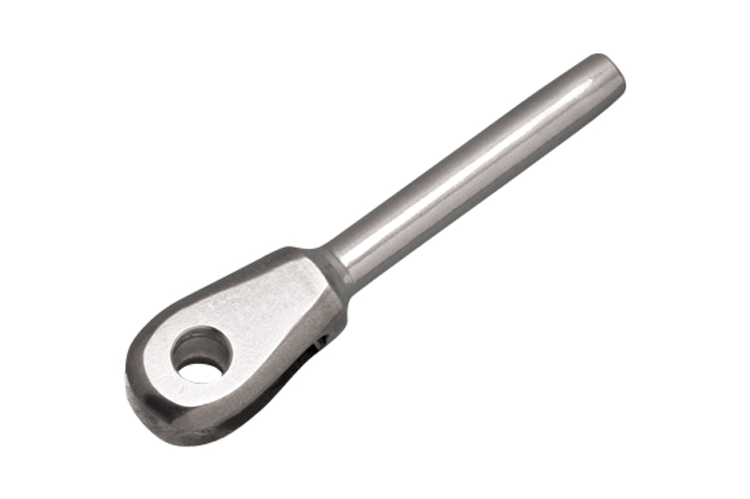
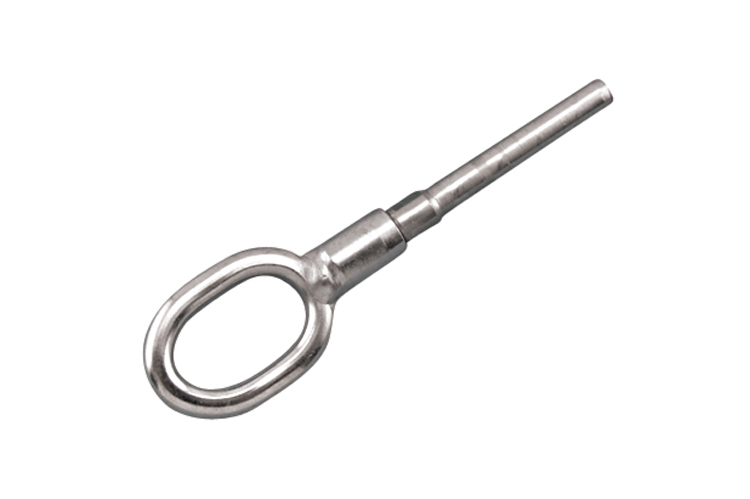
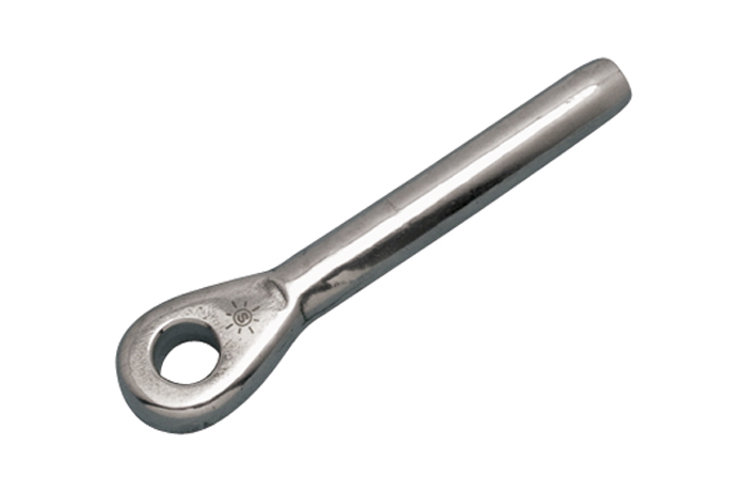
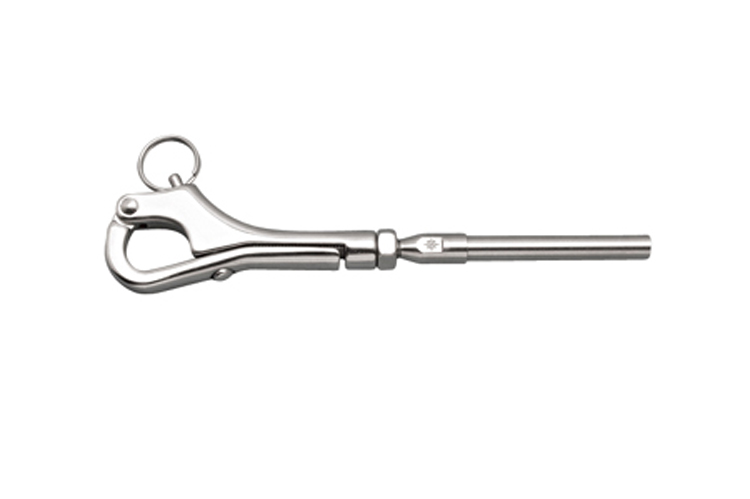
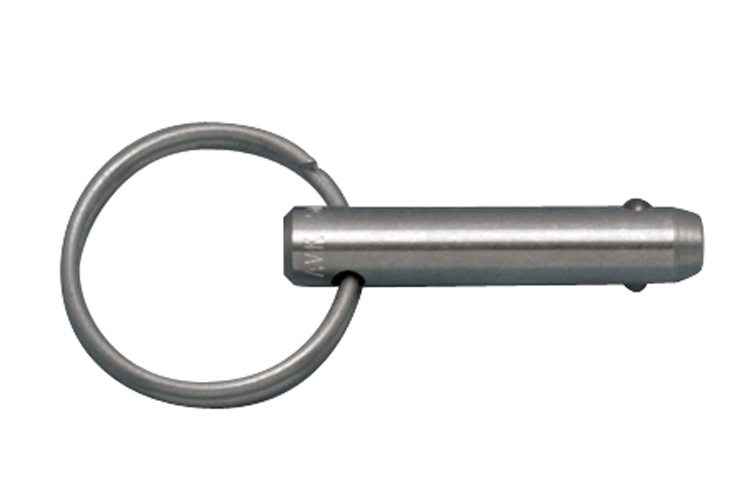
Eyes connect to pins or compatible shackles, jaws straddle an attachment point and secure with a pin, toggles allow articulation, and studs pass through or thread into a compatible mounting point. Select for the actual anchor geometry and permitted load direction.
How do I match a fitting to wire rope?
Confirm the cable diameter, construction, material and terminal compatibility. Swage dimensions and tool or die requirements are specific; a fitting that appears to fit may not develop the required holding strength.
Are these products automatically suitable for code-compliant guards?
No. Guardrail height, opening limits, loads, post spacing, cable tension and attachment requirements vary by jurisdiction and project. Use the product's published data and have the complete system checked against local building codes and engineering requirements.
How should stainless steel cable railing hardware be maintained?
Rinse coastal contamination with fresh water, clean deposits with a stainless-compatible product and inspect cable, terminals, threads, pins and anchor points regularly. Correct loss of tension and replace damaged, distorted or severely corroded parts.