PRODUCT FAMILY
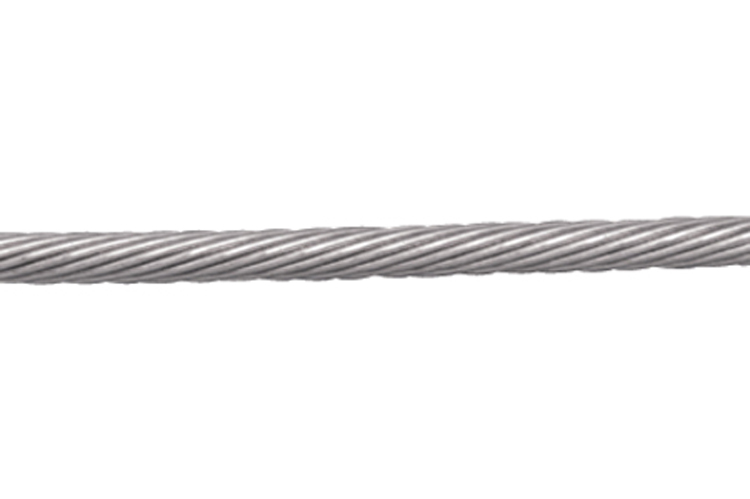
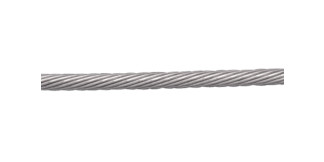
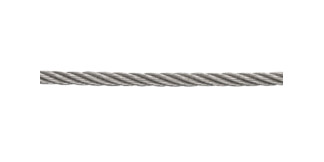
316 Stainless Steel 1x19 Wire Rope
SKU: FAM-S0701
Price range: $0.25 through $12,563.69
View sizes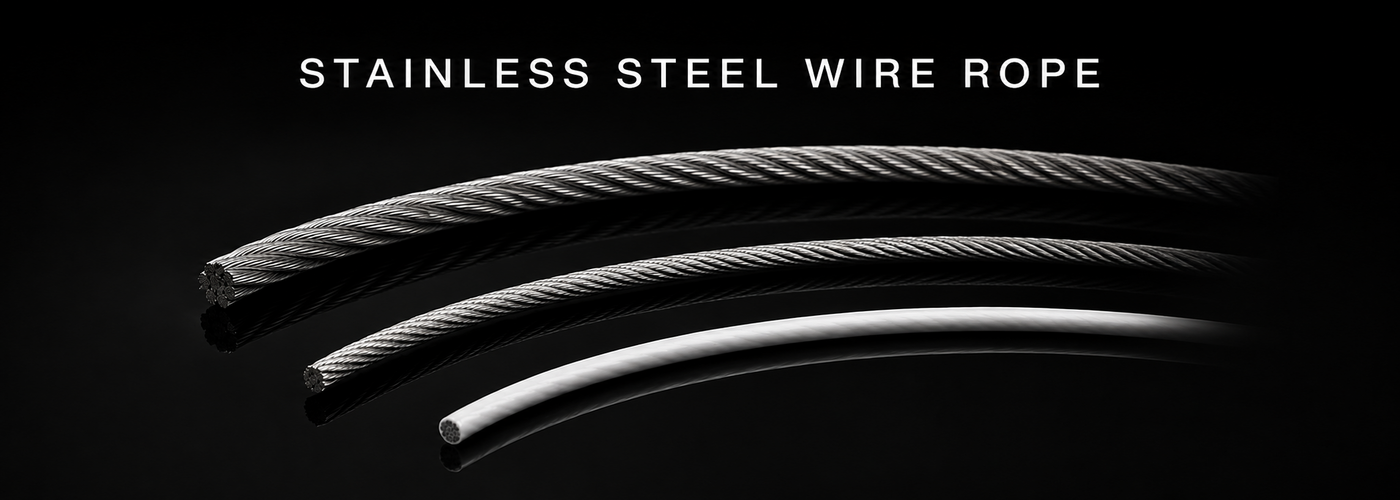
Shop stainless steel wire rope and cable in 304 and 316 alloys for marine, architectural, railing and general rigging applications. The catalog is organized into seven product families covering low-stretch 1×19, medium-flexibility 7×7, flexible 7×19, and black or white PVC-coated 7×7 wire rope.
Use the Stainless Steel Wire Rope Finder below to compare alloy, construction, bare-wire diameter, cut-length availability, reel size and coating color. Related ordering SKUs remain together in enclosed product-family cards, with the 316 marine-grade families presented first and the 304 alternatives following.
Selecting cable requires more than diameter alone. Confirm the construction, stainless grade, minimum breaking strength, working-load limit, safety factor, bend radius and compatibility with every terminal or fitting. For PVC-coated cable, distinguish the stainless core diameter from the larger finished outside diameter. Never use wire rope for lifting, life-safety or a critical structural application without the correct published ratings and qualified design.
Choose the stainless grade and cable construction, then refine by bare-wire diameter and supply format. Options within a section broaden the results; selections in different sections work together. Open a matching family to select the exact cut length or reel.
SKU: FAM-S0701

SKU: FAM-S0703
SKU: FAM-S0705
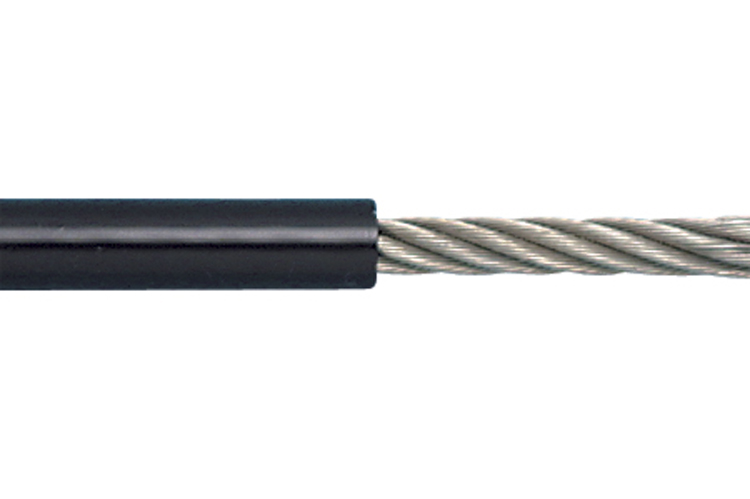
SKU: FAM-S0709
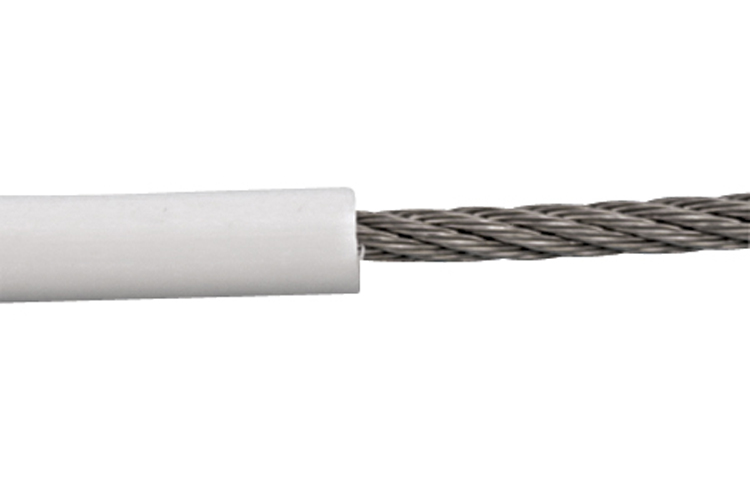
SKU: FAM-S0708
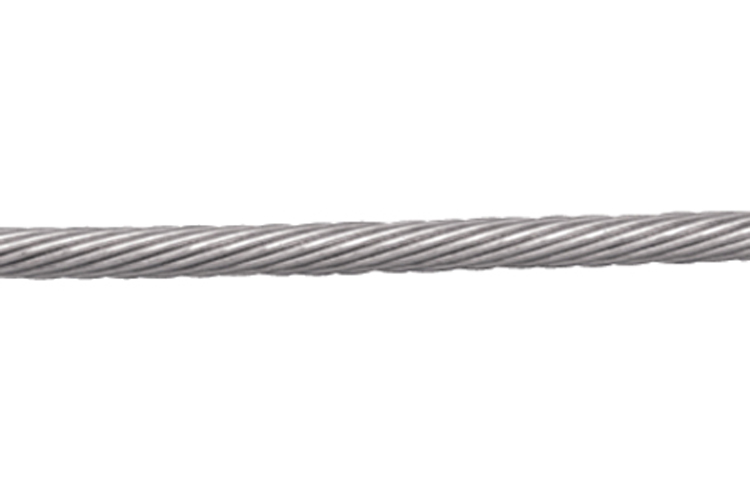
SKU: FAM-S0702
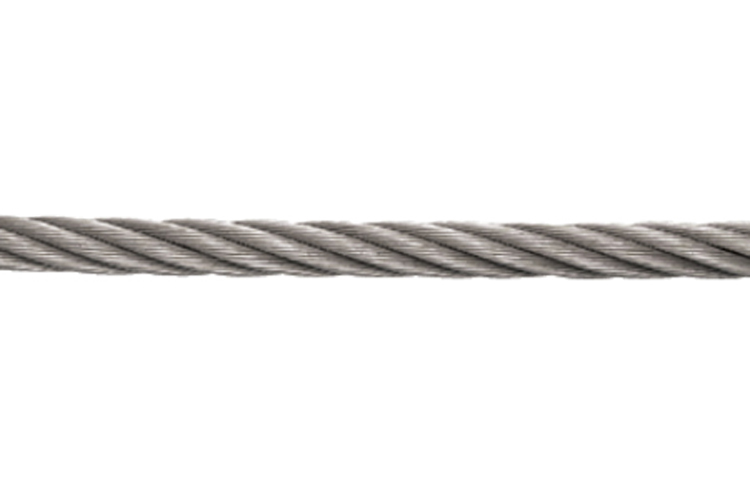
SKU: FAM-S0704
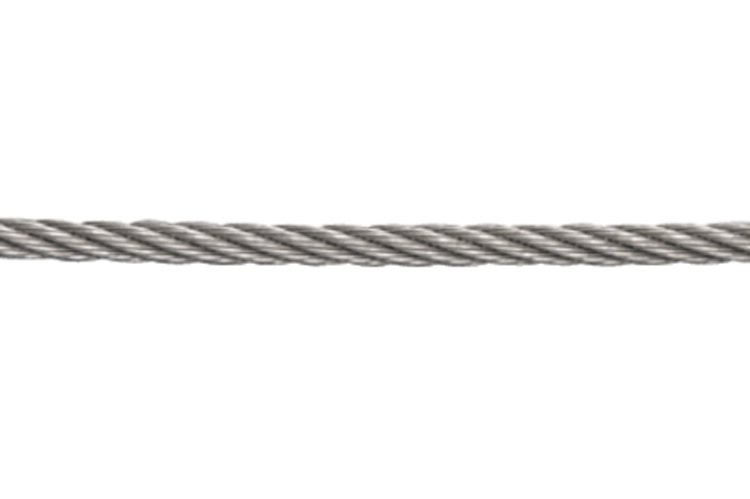
1×19 is comparatively rigid and low stretch, making it common for straight tensioned runs. 7×7 offers medium flexibility. 7×19 is the most flexible of these constructions and is better suited to applications involving bends, sheaves or repeated movement when the specified bend radius is observed.
304 stainless is suitable for many general and architectural applications. 316 stainless normally provides better resistance to saltwater and aggressive marine exposure. Material selection must also consider strength, regulations and compatibility with terminals.
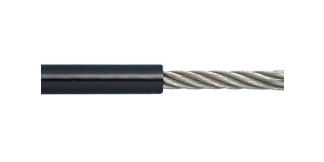
PVC coating provides a smoother colored outer surface and separation from adjacent materials. It does not replace correct corrosion control, load selection or inspection, and it can conceal the wire core, so inspect exposed ends and any damaged coating carefully.
The first dimension is the stainless wire-rope core diameter and the second is the finished outside diameter including the PVC coating. Match terminals and load data to the core as specified, while allowing clearance for the coated outside diameter.
Cut-length products are supplied by the selected length, while reel products are fixed bulk quantities such as 1,000, 2,000, 2,500 or 5,000 feet. Confirm how the individual product is priced and supplied before ordering.
Match the exact wire diameter, construction and stainless grade to terminals approved for that cable. Swage, swageless, thimble and clamp products are not automatically interchangeable across constructions or diameters.
Measure across the widest outside points of the rope using an appropriate caliper, not across the valleys between strands. For coated cable, distinguish the bare core from the finished coated diameter.
No. Diameter, construction, grade, minimum breaking strength, working-load limits, bend radius, fatigue, terminations, environment and applicable safety factors all matter. Never use price or diameter alone for a lifting, life-safety or structural application.
Rinse salt and contaminants away, prevent dissimilar-metal contact where practical and inspect for broken wires, kinks, flattening, corrosion, abrasion, damaged coating and terminal movement. Replace wire rope when inspection criteria or the manufacturer’s instructions require it.
Showing all 7 results


Showing all 7 results