PRODUCT FAMILY
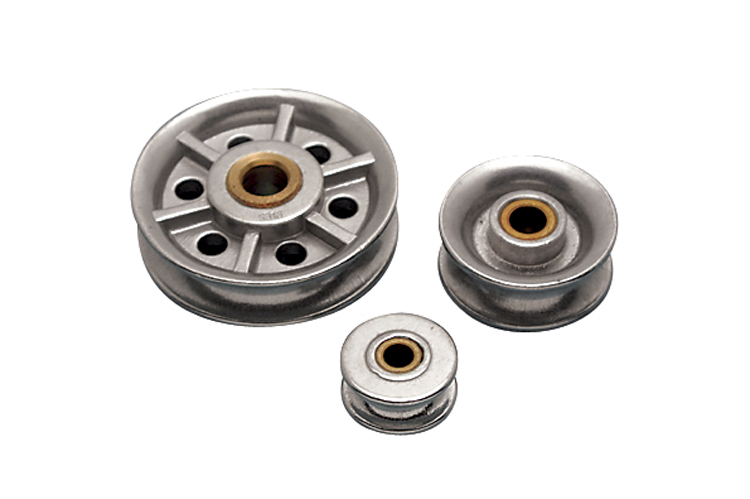
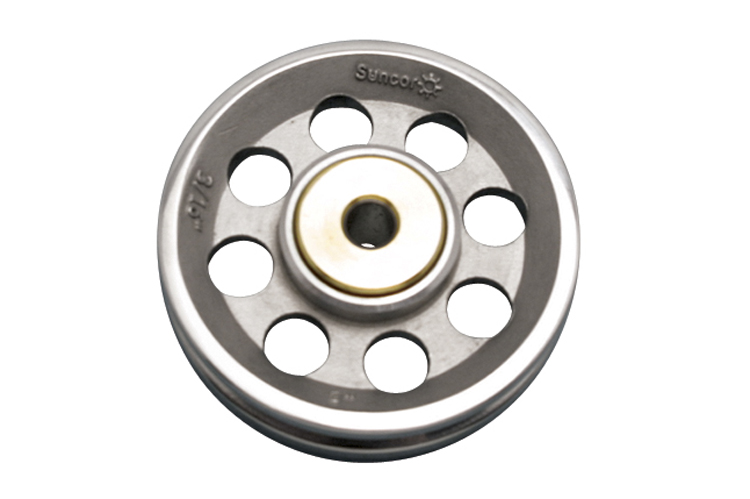
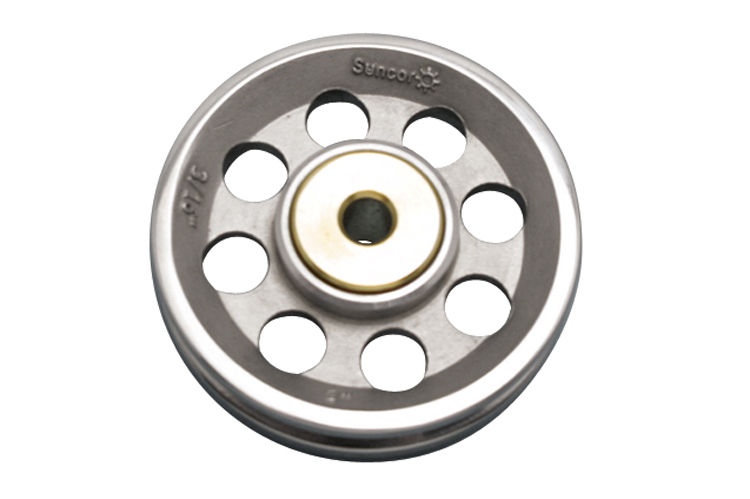
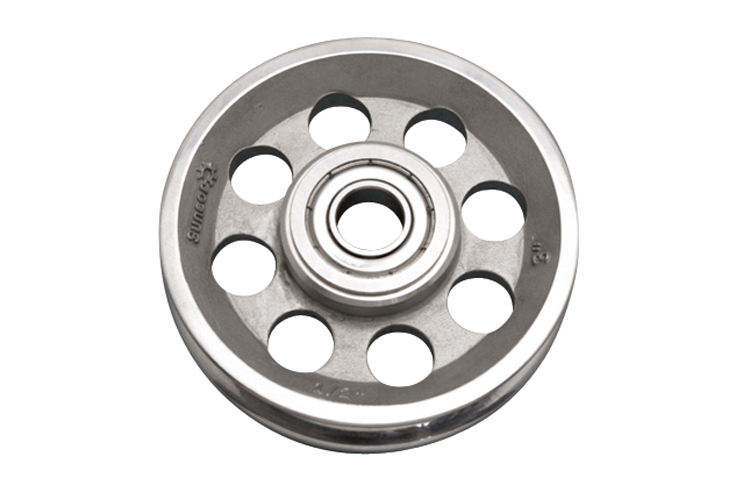
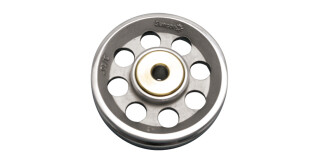
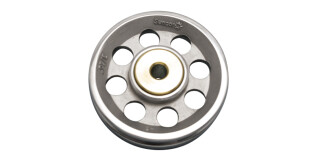
304 Stainless Steel Rope Sheaves with Bronze Bushings
SKU: FAM-S0400
Price range: $8.22 through $19.76
View sizes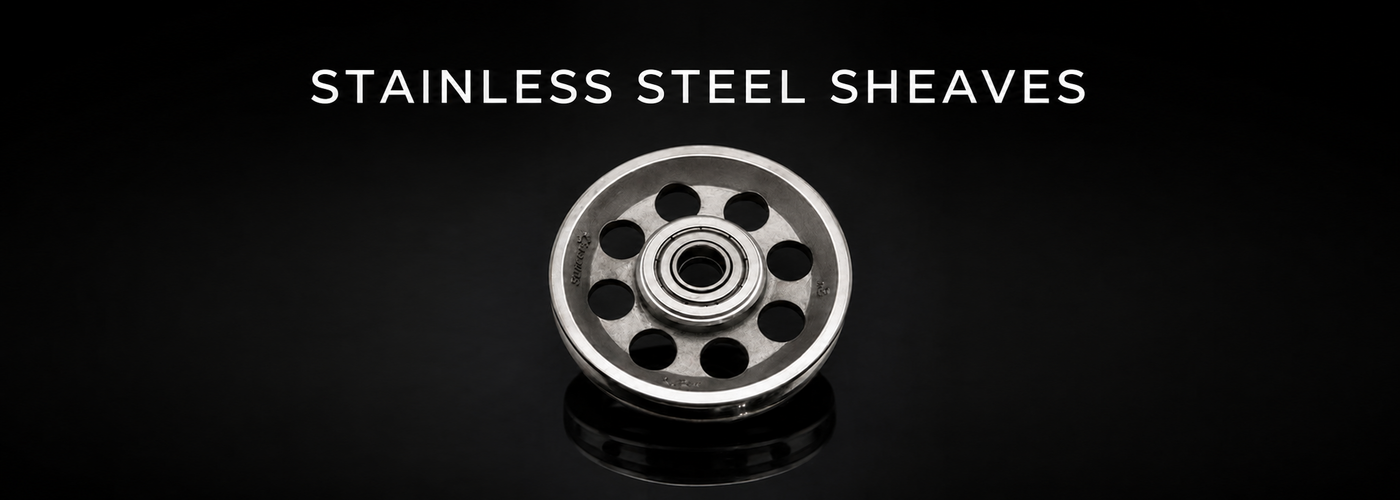
Shop stainless steel sheaves for marine pulley blocks, rope routing, wire-rope systems and industrial equipment. A sheave is the grooved rotating wheel that supports the line, changes its direction and helps control bending around an axle or pin.
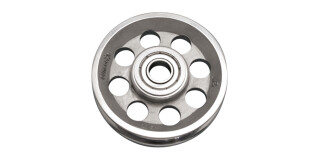
This collection contains five clearly defined families: 304 stainless rope sheaves with bronze bushings; 316 stainless rope sheaves with either bronze bushings or bearings; and 316 stainless wire-rope sheaves with bronze bushings or bearings. Start by identifying whether the system carries fiber rope or wire rope, because the groove profile and permitted line range are not automatically interchangeable. Then choose the stainless grade and hub construction required by the environment, speed and duty cycle.
Use the Stainless Steel Sheave Finder below to compare grade, line groove and hub type. Open the family page to select the exact outside diameter, groove, bore, hub width and line size. Confirm the required bend ratio, axle material, alignment, radial load, rotational speed and maintenance instructions before ordering or installing a replacement sheave.
Choose the stainless grade, line type and hub construction required by the pulley or routing system. Open a matching family to select the exact outside diameter, bore and line size.
SKU: FAM-S0400
SKU: FAM-S0410

SKU: FAM-S0411
SKU: FAM-S0412
SKU: FAM-S0413
A sheave is the grooved rotating wheel inside a pulley or block. It supports and redirects rope or wire rope around an axle or pin.
Not automatically. Groove profile, diameter and material must suit the line. Use a family specifically matched to rope or wire rope and confirm the published diameter range.
Match the groove to the line diameter, the bore to the axle or pin, and the outside diameter to the required bend ratio and available housing clearance.
A bronze bushing provides a durable plain bearing surface for many moderate-speed applications. A bearing can reduce rotational friction, but speed, loading, sealing and maintenance requirements must still be verified.
304 stainless suits many general environments. 316 stainless normally offers better resistance to saltwater and aggressive marine exposure. Confirm all sheave, hub and axle materials.
A sheave that is too small bends the line sharply and can shorten rope or wire-rope life. Follow the line manufacturer's minimum recommended diameter and the equipment design requirements.
Only when the complete block, axle, line, mounting and sheave are expressly rated for the intended lifting service. A sheave material or price does not establish a working-load rating.
Inspect the groove, flanges, bore, bushing or bearing for wear, cracking, corrosion, deformation, sharp edges and free rotation. Replace damaged parts and correct alignment problems before returning the system to service.
Confirm line type and diameter, sheave outside diameter, groove size, bore, hub width, grade, axle material, expected speed, load and environmental exposure.
Showing all 5 results
Showing all 5 results