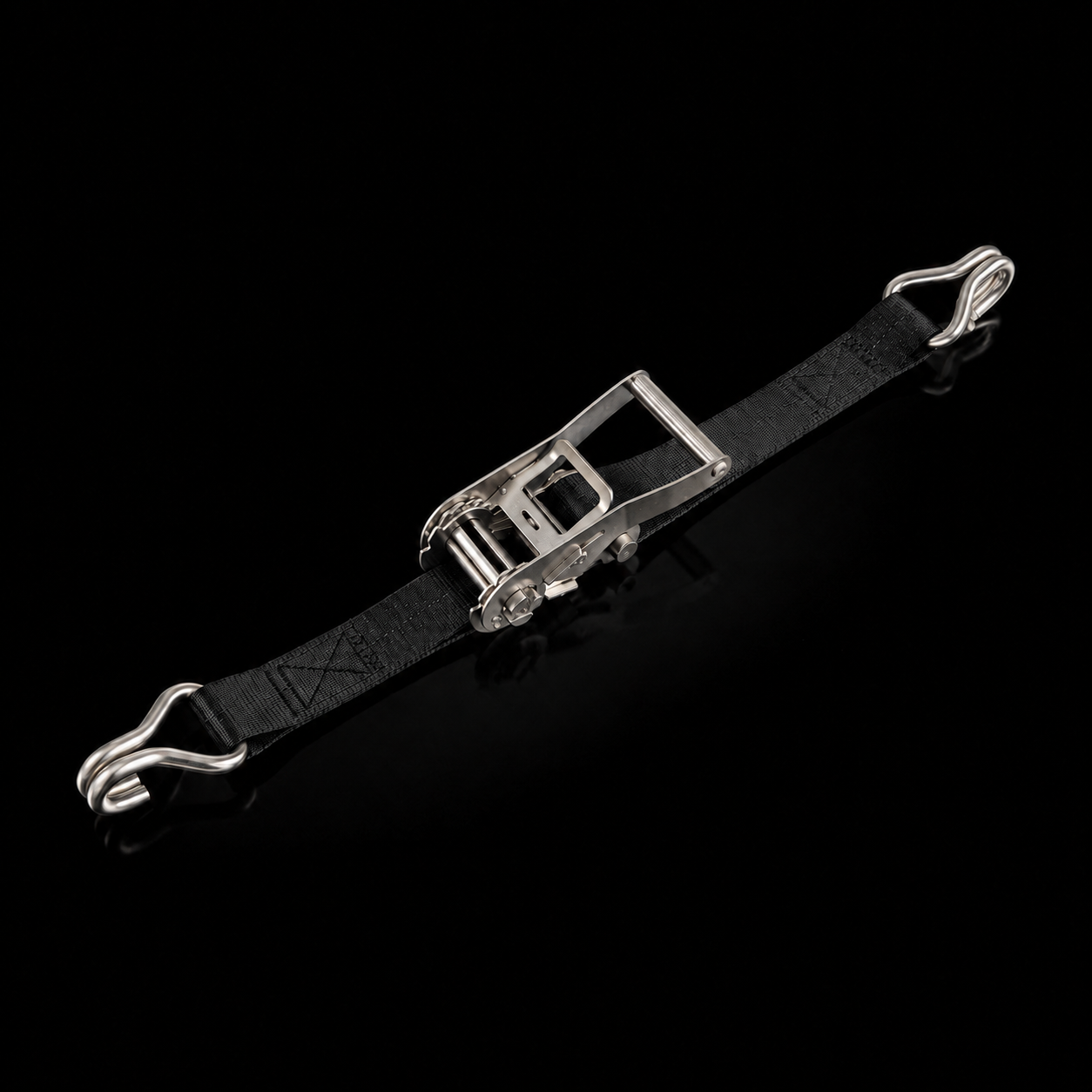
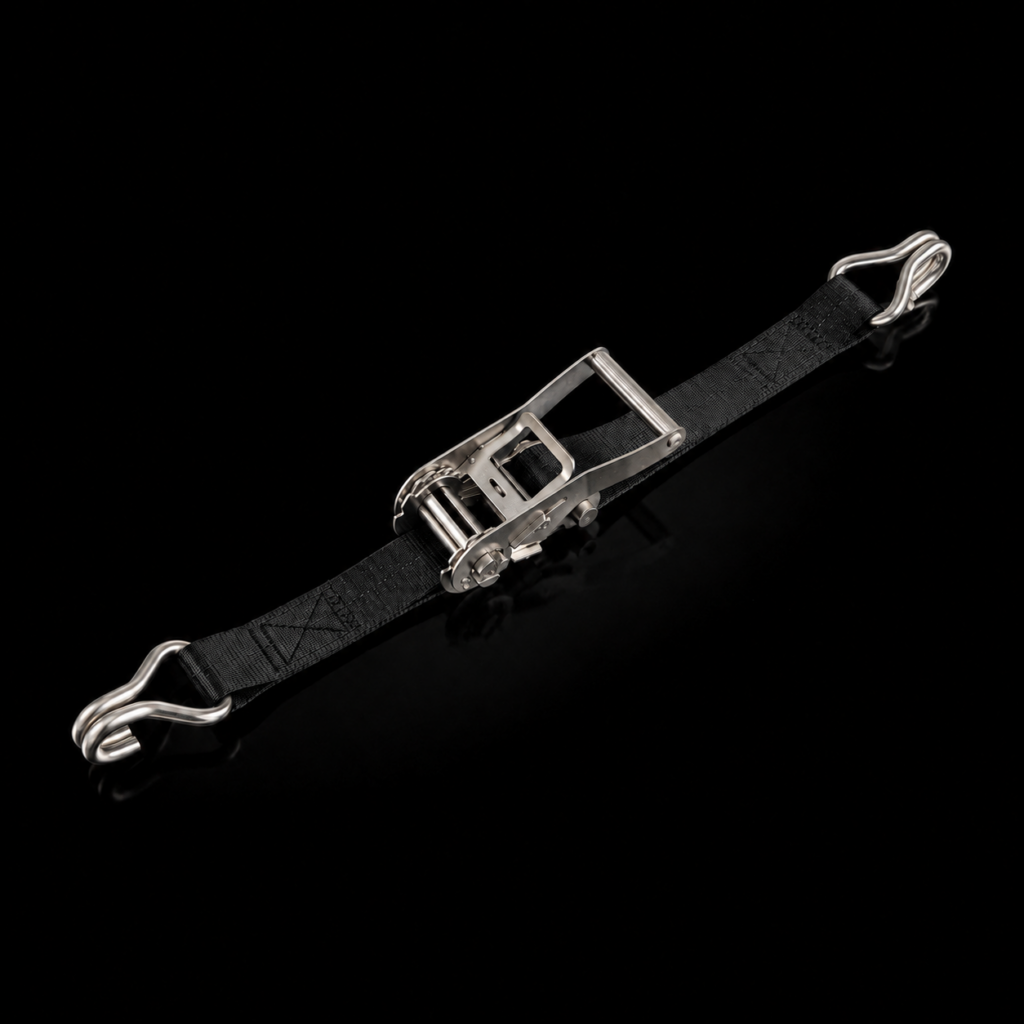
Webbing Assemblies (20)
Shop complete webbing assemblies with 304 stainless steel ratchet or over-center tensioning hardware for marine tie-down, storage and general securing…
View category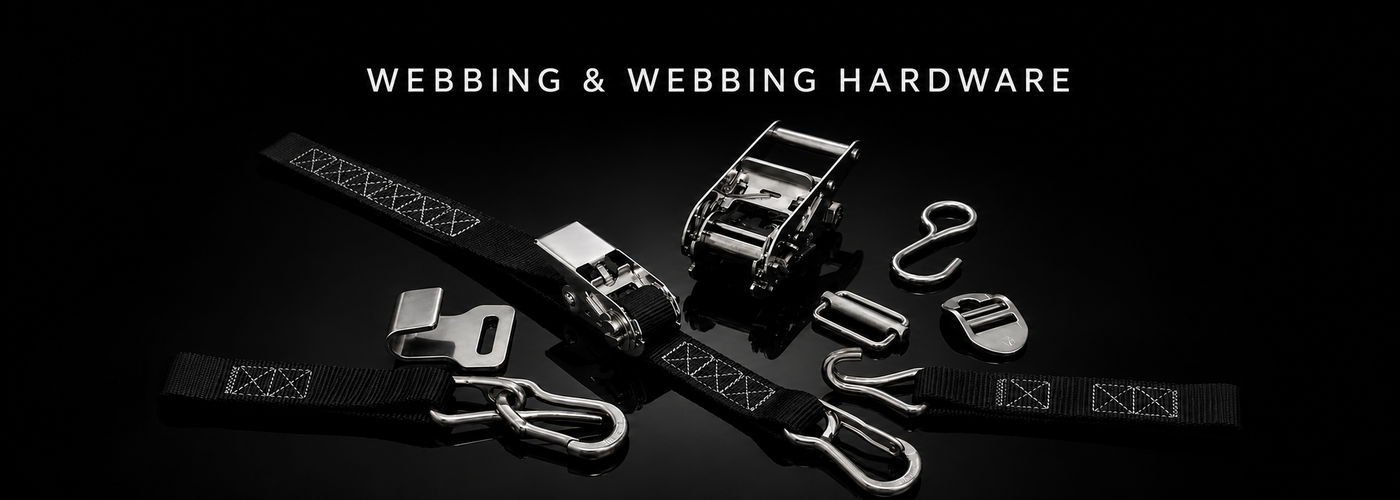
Shop webbing assemblies and stainless steel webbing hardware for marine tie-down, storage, jackline and general securing applications. The range includes complete ratchet and over-center assemblies, webbing straps, hanging kits, jackline kits, ratchet buckles, over-center buckles, adjuster slides, threading plates and shock-cord hog rings.
Begin with Webbing Assemblies for complete straps and tensioning systems, or choose Webbing Hardware for individual 304 stainless steel buckles and fittings. The guided finder below lets you compare 1-inch, 1.5-inch and 2-inch webbing families; ratchet and over-center tensioning; flat, harness, J, S and loop ends; and specialty jackline or hanging configurations.
Always match the webbing width to the buckle and end fittings, and confirm the assembly length, hook geometry, webbing material, stitching and published working-load information. Breaking strength is not the same as allowable working load. Inspect webbing for cuts, abrasion, heat, chemical and UV damage, and inspect every buckle, hook, stitch and anchor point before use. Do not use tie-down webbing for lifting, fall protection or personnel support unless the exact complete system is specifically designed and rated for that purpose.
Choose complete webbing assemblies or individual stainless steel webbing hardware, then use the finder below to narrow the complete range.
Shop complete webbing assemblies with 304 stainless steel ratchet or over-center tensioning hardware for marine tie-down, storage and general securing…
View category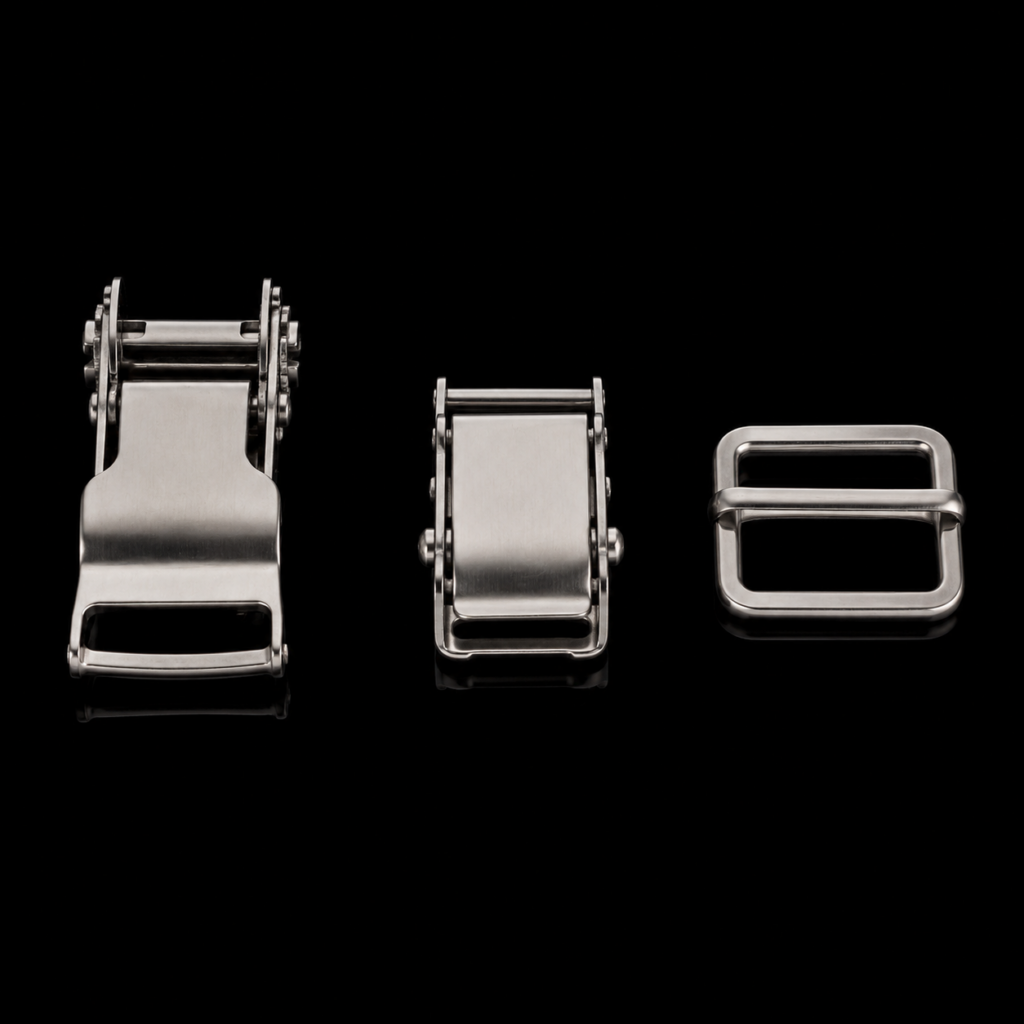
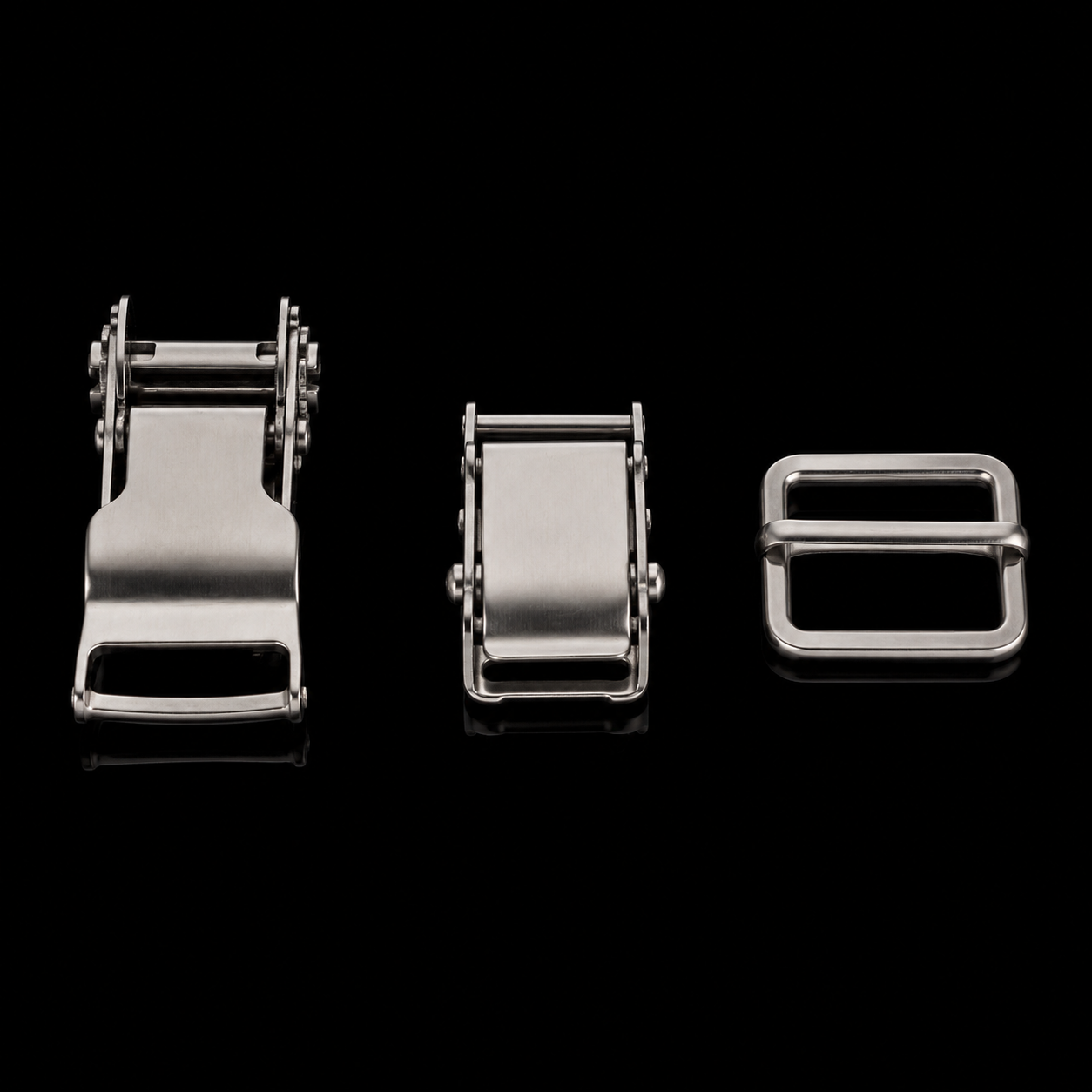
Shop 304 stainless steel webbing hardware for building, repairing or adjusting compatible marine and general securing assemblies. The category includes…
View categoryCompare assembly type, webbing width, end fitting and hardware function. Options within one section broaden the results; selections in different sections work together.
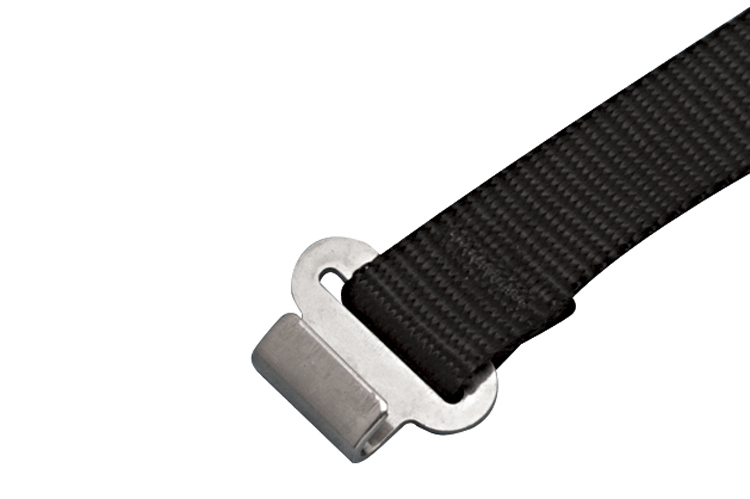
SKU: FAM-S0233
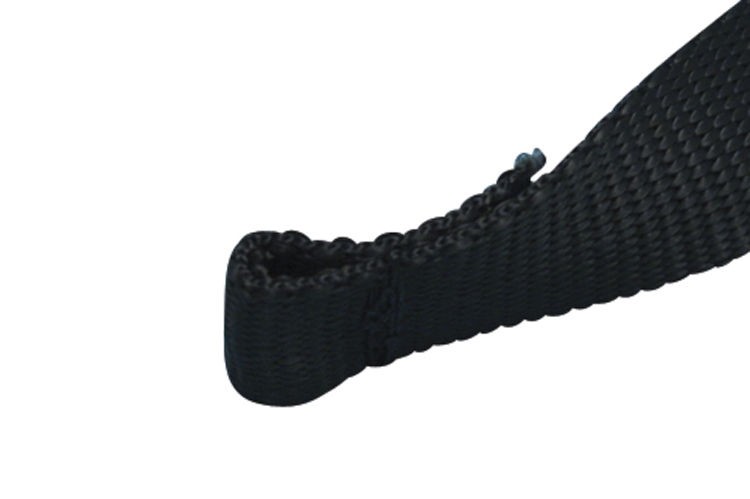
SKU: FAM-S0232
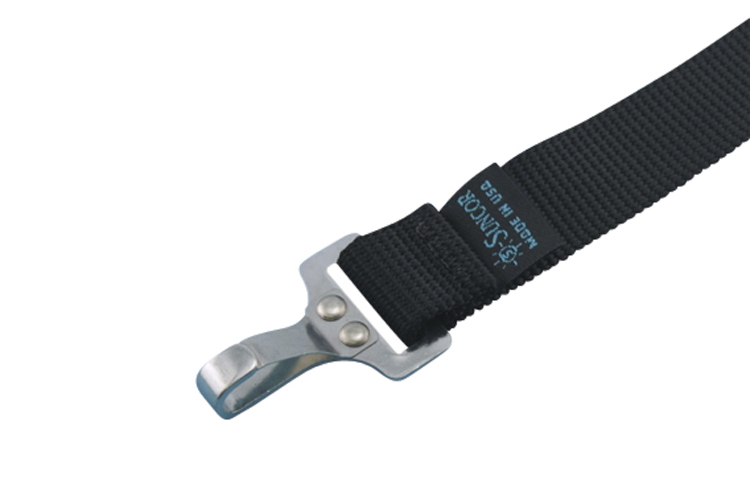
SKU: FAM-S0234-35
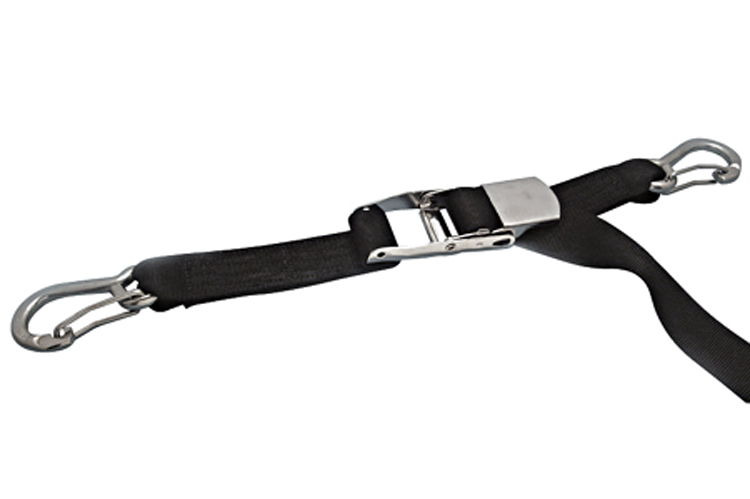
SKU: FAM-S0207-1
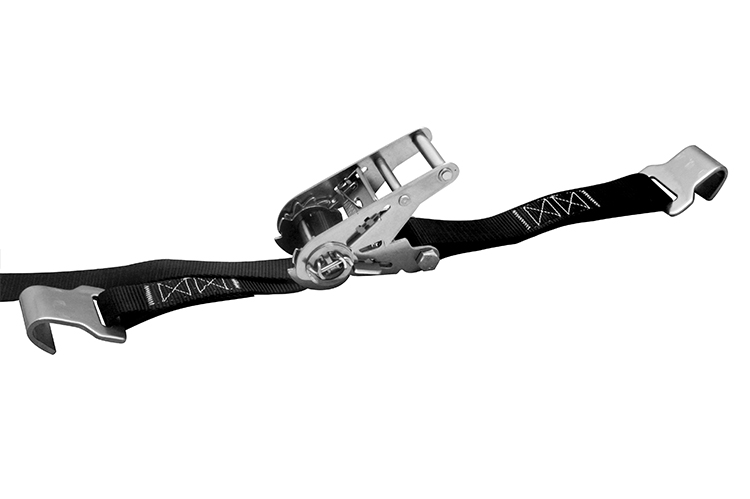
SKU: FAM-S0201-F
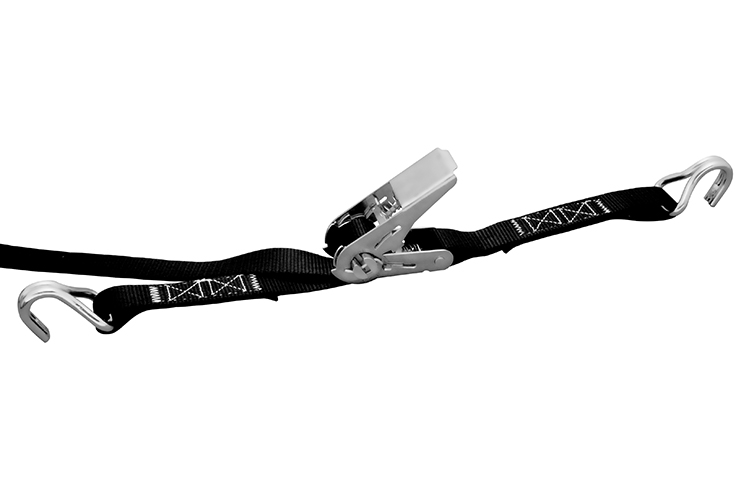
SKU: FAM-S0201-J
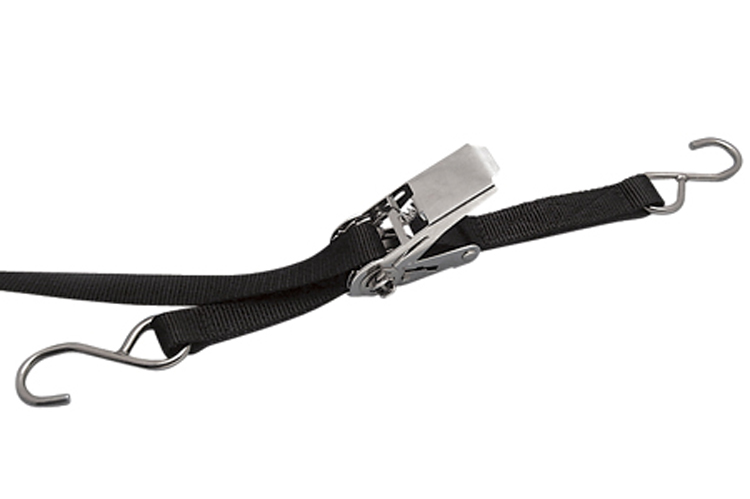
SKU: FAM-S0201-S

SKU: FAM-S0201

SKU: FAM-S0203-F
SKU: FAM-S0203
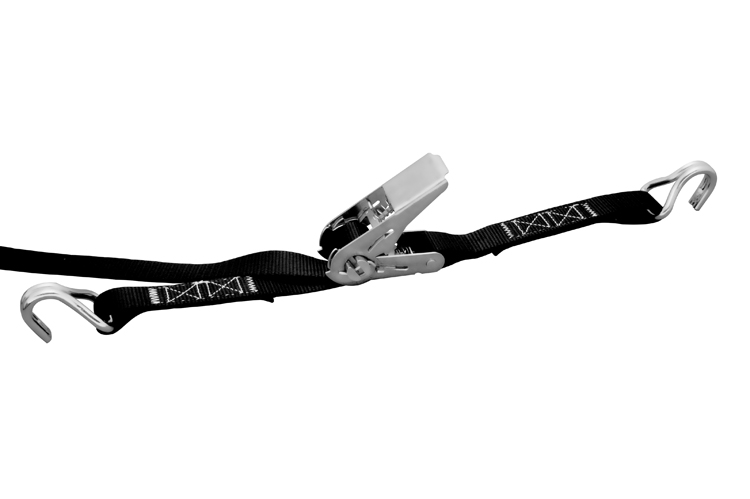
SKU: FAM-S0203-J
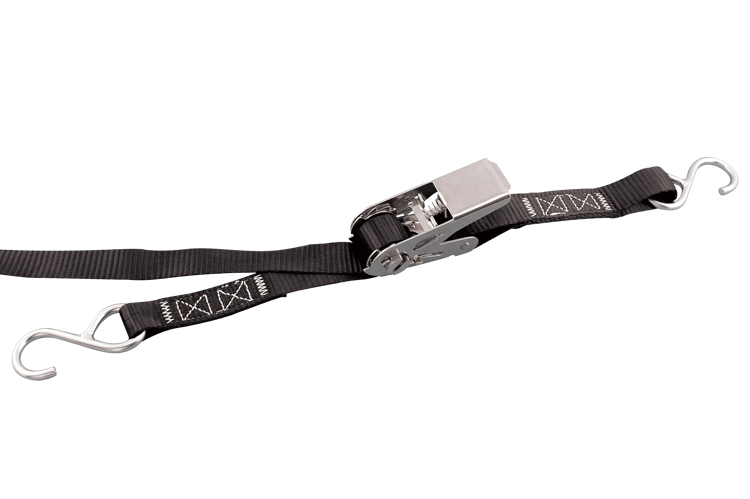
SKU: FAM-S0203-S

SKU: FAM-S020X-RATCHET
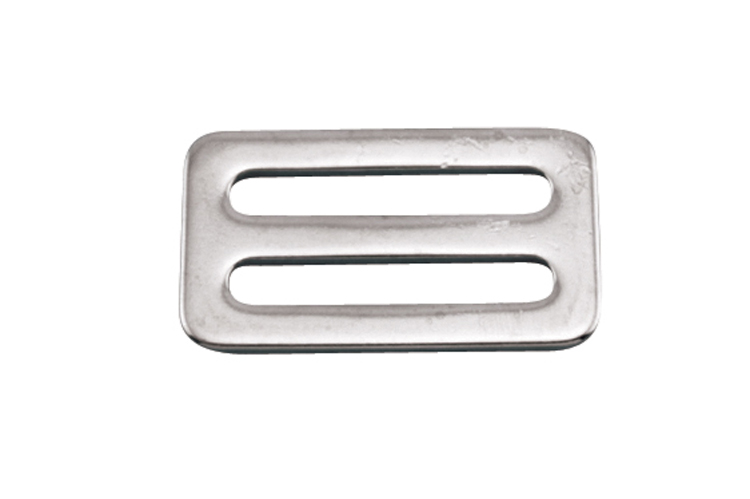
SKU: FAM-S0215
SKU: FAM-S0207-2
SKU: FAM-S0204-F
SKU: FAM-S0204
SKU: FAM-S0204-J
SKU: FAM-S0204-S
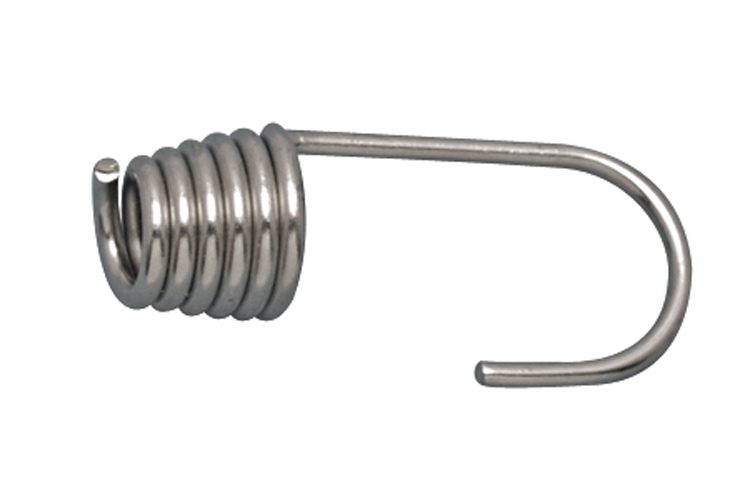
SKU: FAM-S0183-HR

SKU: FAM-S0207
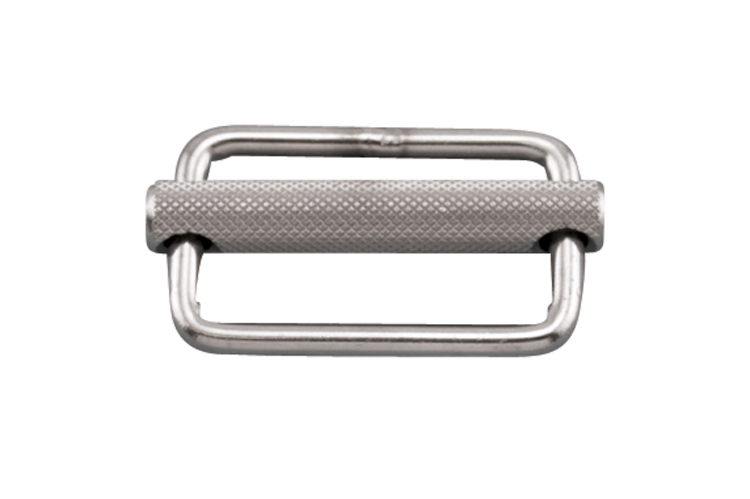
SKU: FAM-S0216

SKU: S0215-L050
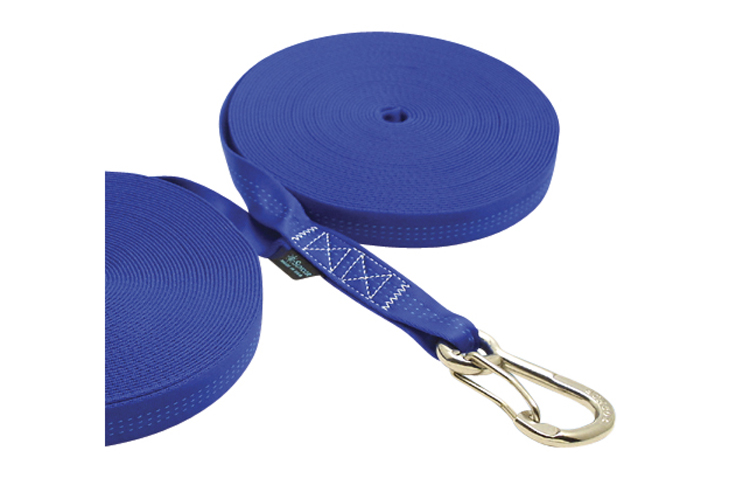
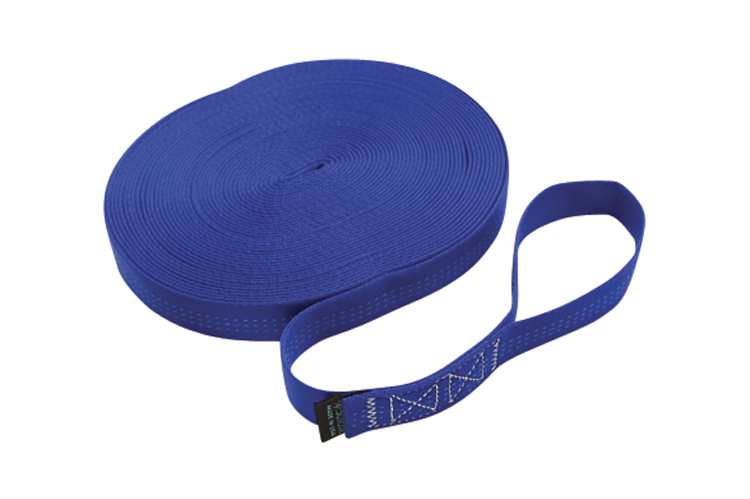
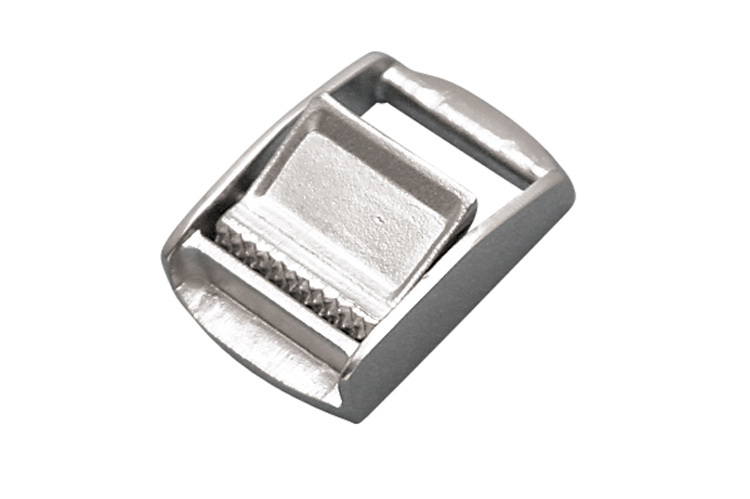
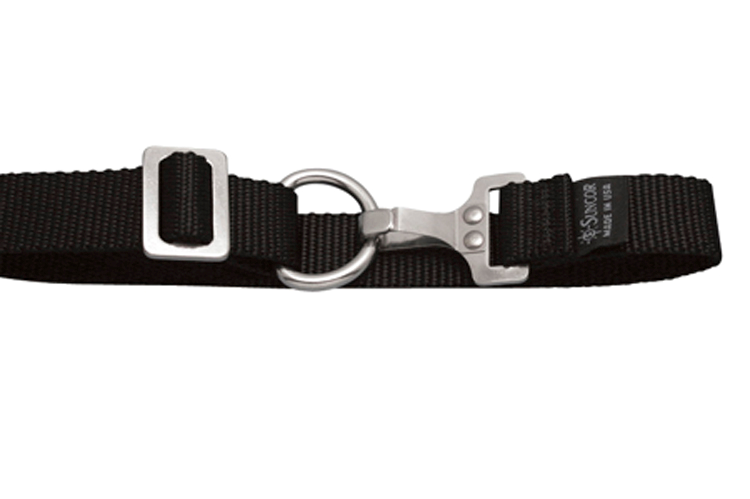
SKU: FAM-S0236
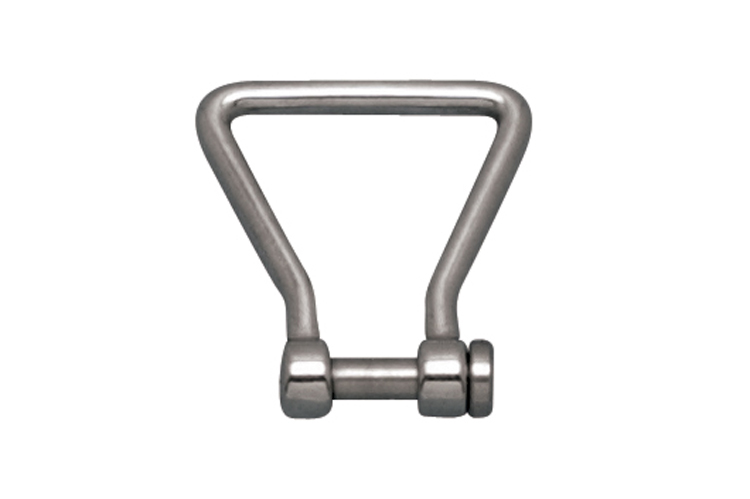
A ratchet assembly tensions webbing incrementally with a geared handle. An over-center buckle tensions and locks as its lever passes the center point. Ratchets usually provide more take-up; over-center assemblies are compact and quick to operate.
Width must match the buckle, adjuster and end fittings and is only one factor in capacity. Compare the complete assembly's webbing material, construction, length, hardware and published working-load information.
Flat hooks engage compatible flat anchor points, harness hooks have a shaped opening for a compatible attachment, J hooks wrap around suitable anchors, and welded S hooks provide open curved ends. Match the hook geometry and load direction to the anchor.
Jacklines are longitudinal attachment lines used with compatible tether systems aboard a vessel. Their layout, anchors, webbing, stitching and complete system must be suitable for the intended safety application and inspected before use.
Stainless steel improves corrosion resistance, but webbing, thread, stitching, hooks and anchors also determine marine suitability. Rinse salt contamination and inspect all materials regularly.
Breaking strength is the force at which a new component or assembly fails under specified test conditions. Working load is a lower permitted service value that includes a design factor. Never treat breaking strength as an allowable operating load.
Not unless the exact complete assembly is specifically designed, documented and rated for that lifting application. Tie-down products must not be assumed suitable for lifting, fall protection or personnel support.
Check the full webbing length for cuts, abrasion, melted fibers, UV degradation and chemical damage. Inspect stitching, buckles, ratchets, hooks and anchor points for corrosion, cracking, deformation, sharp edges and proper operation.
Remove an assembly from service if webbing is cut, badly abraded, heat damaged, chemically attacked or substantially faded, or if stitching is broken. Replace hardware that is cracked, bent, seized or severely corroded.