
PRODUCT FAMILY
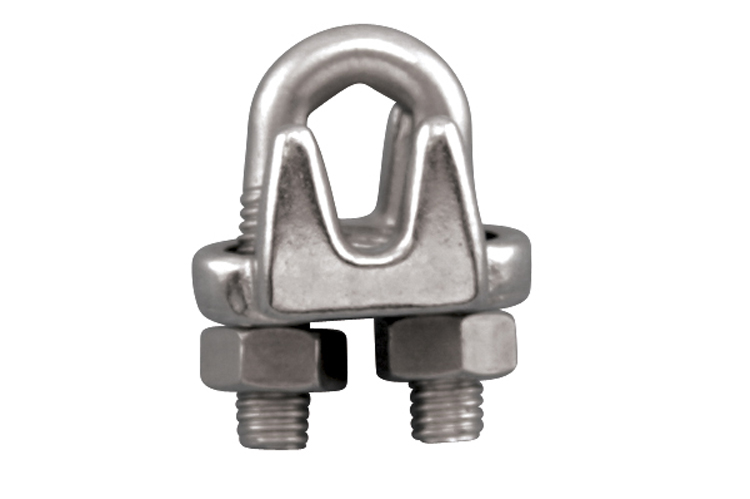
316 Stainless Steel Wire Rope Clips
SKU: FAM-S0122-SS
Price range: $1.64 through $127.33
View sizes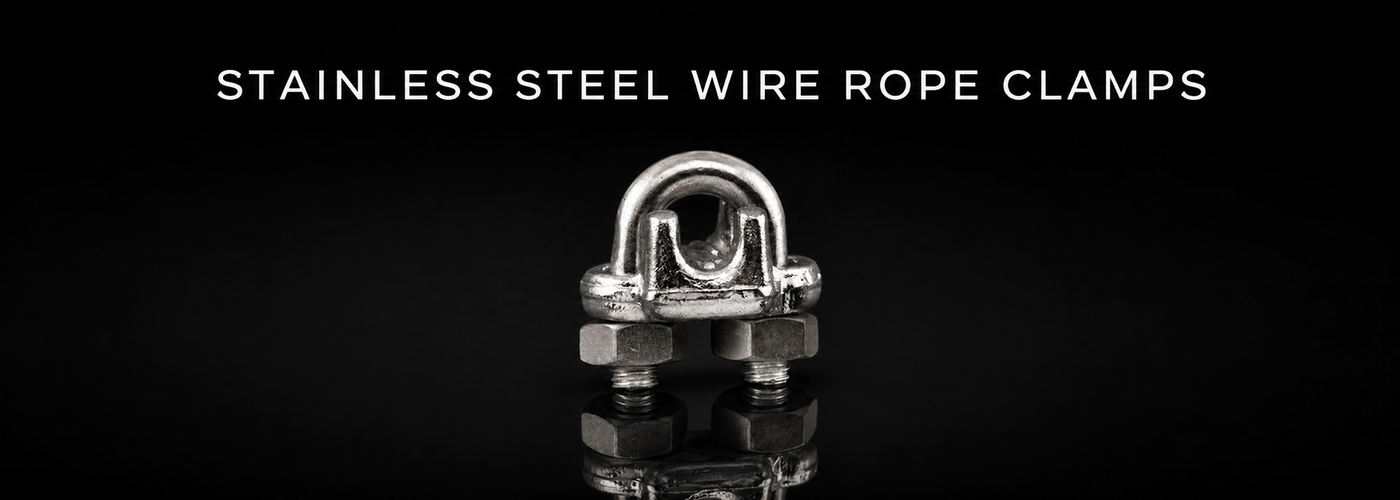
Shop stainless steel wire rope clips, clamps and termination components for marine rigging, architectural cable and industrial wire-rope assemblies. This collection brings together the hardware used to form cable eyes, create swaged stops and terminals, join intersecting cable runs and restrain cable at a mounting surface.
Start with 304 or 316 stainless wire-rope clips when a removable mechanical eye termination is appropriate. Choose forged and chair-clip families for their specific clamping geometry. Swage sleeves, cylindrical terminals, stop sleeves and plain or shank balls are permanent formed components that require the correct cable size and compatible tooling. Standard, surface-mount and two-part cross clamps serve different routing and restraint functions.
Use the Wire Rope Clamp & Termination Finder below to narrow the 13 product families by material, construction and connection purpose. Then open the family page to confirm cable diameter, dimensions, installation method and published load information. Never assume a general-purpose clip, sleeve or clamp is approved for overhead lifting, fall protection or another critical life-safety application.
Start with the type of connection you need. Options within one section broaden the results; selections in different sections work together. Open a matching family to choose the exact cable size and component dimensions.
SKU: FAM-S0122-SS
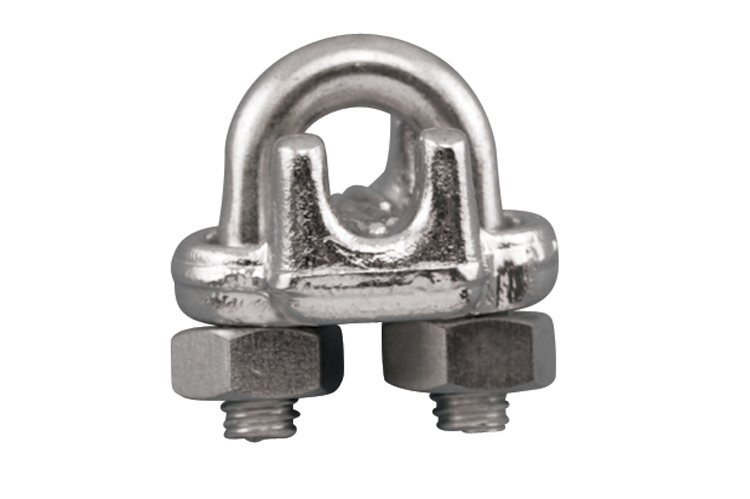
SKU: FAM-S0122-FORGED
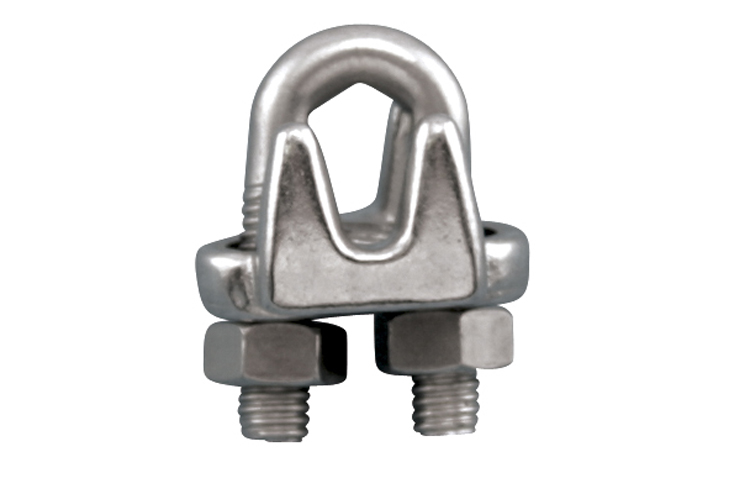
SKU: FAM-S0122-FS
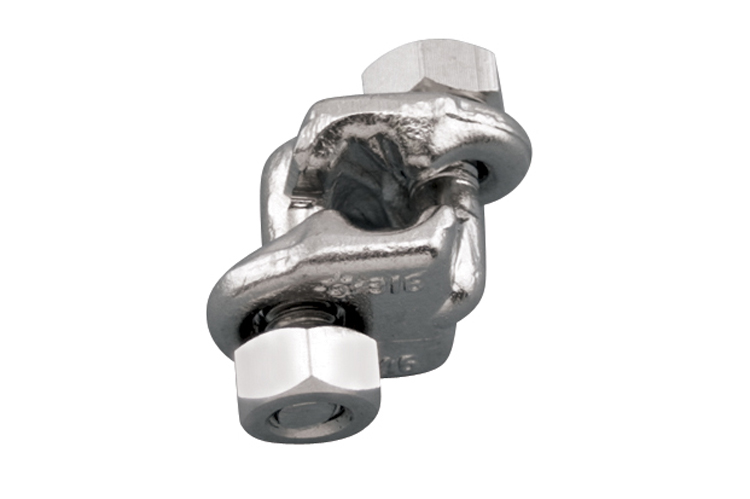
SKU: FAM-S0122-CHAIR
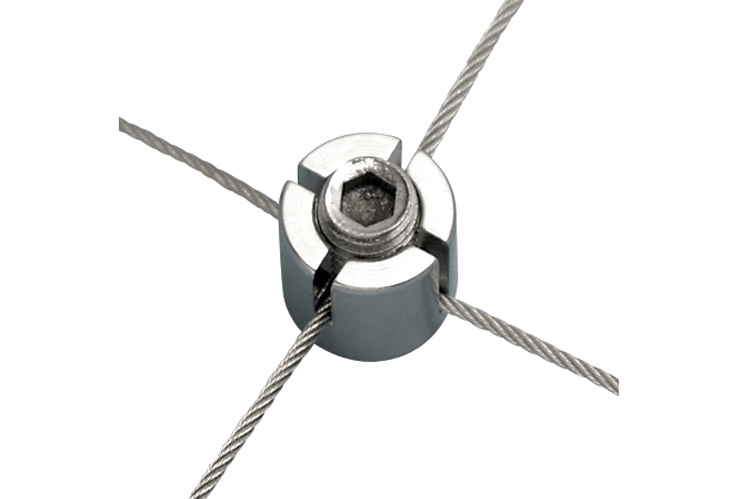
SKU: FAM-S0721
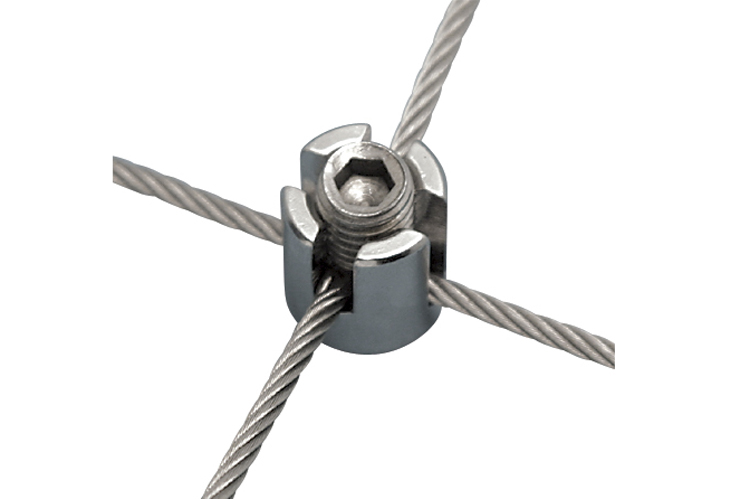
SKU: FAM-S0722

SKU: FAM-S0720
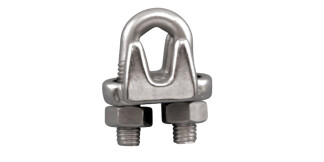
A wire-rope clip uses a saddle, U-bolt or related clamping form to secure a turned-back cable end. A swage sleeve is compressed permanently around the cable with correctly matched swaging equipment.
Match the product's published cable size to the actual wire-rope diameter and construction. Also verify the groove, bore, saddle and finished-eye dimensions, because similarly named cable can require different fittings.
304 stainless suits many general environments. 316 stainless normally offers better resistance to saltwater and aggressive marine exposure. Match the component grade to the cable, mating hardware, environment and project specification.
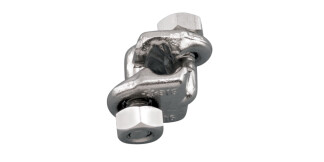
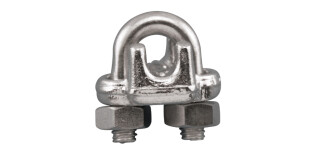
Forged clips provide a substantial clamping body for wire-rope eye terminations. Their suitability depends on the exact clip, rope construction, number of clips, spacing, orientation, torque and the manufacturer's instructions.
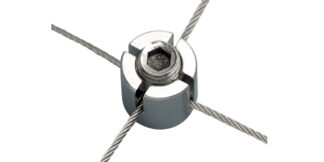
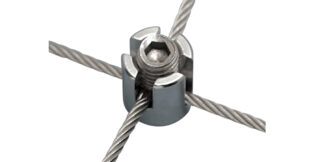
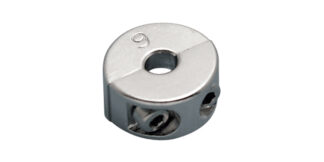
Chair clips are specialized wire-rope clamping fittings. Cross clamps connect or restrain intersecting cable runs, while surface-mount versions add a mounting feature. They should not be substituted for a termination unless specifically designed for it.
These are swaged or formed termination components that create a stop, anchor or captured feature on cable. Choose the geometry required by the receiving slot or mechanism and use the specified forming tool.
Only use a product when its manufacturer and the applicable standard expressly approve the complete assembly for that service. Do not assume a general-purpose clip, clamp or sleeve is suitable for lifting, fall protection or life-safety use.
Incorrect saddle orientation, too few clips, improper spacing or the wrong tightening torque can greatly reduce termination efficiency and allow the rope to slip or become damaged. Follow the instructions supplied for the exact fitting and cable.
Check for cable slip, broken wires, crushed strands, loose hardware, corrosion, cracking, deformation and tool damage. Retorque only when the product instructions call for it, and replace any component or assembly that fails its inspection criteria.
Showing all 7 results
Showing all 7 results