
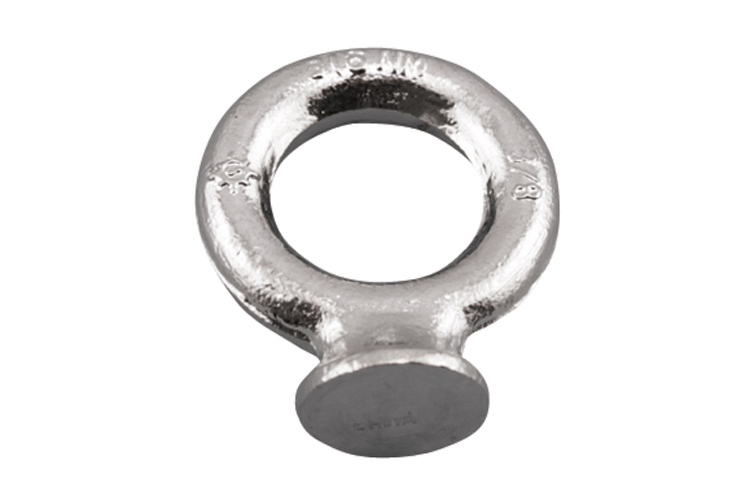
PRODUCT FAMILY
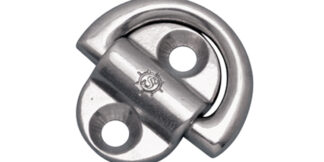
316 Stainless Steel Forged Pad Eyes
SKU: FAM-S0324
Price range: $3.87 through $86.79
View products
Choose stainless steel pad eyes, eye straps and mounting plates for marine decks, architectural cable systems, railings and industrial attachment points. The collection includes forged, cast and stamped pad eyes together with folding, swivel, round, oblong, diamond and heavy-duty designs.
Use the Pad Eye Finder below to compare application, construction style, mounting pattern and stainless grade. Product-family cards group related sizes together, while specialty items such as tow pad eyes, hooks and universal backing plates remain easy to locate.
Always confirm the exact dimensions, fastener-hole pattern, backing requirements, material grade and published load information for the selected SKU. A complete installation is only as strong as its fasteners, backing plate and supporting structure.
Choose the duty, construction, mounting pattern or stainless grade. Options within one section broaden the results; selections in different sections work together.
SKU: FAM-S0324
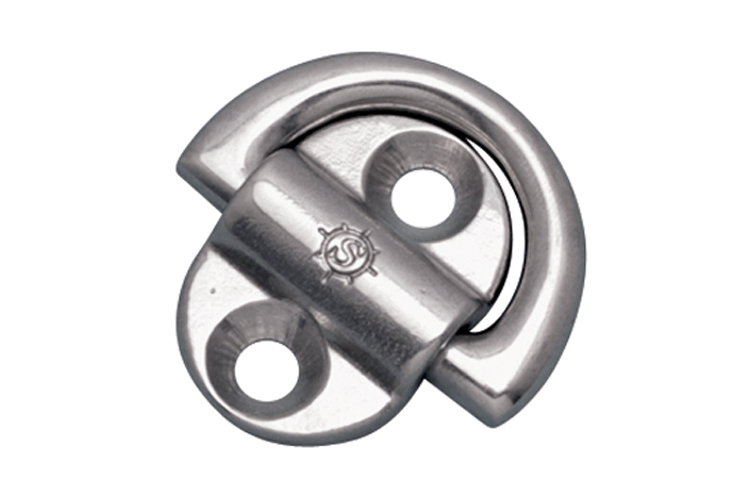
SKU: FAM-S3712-HD
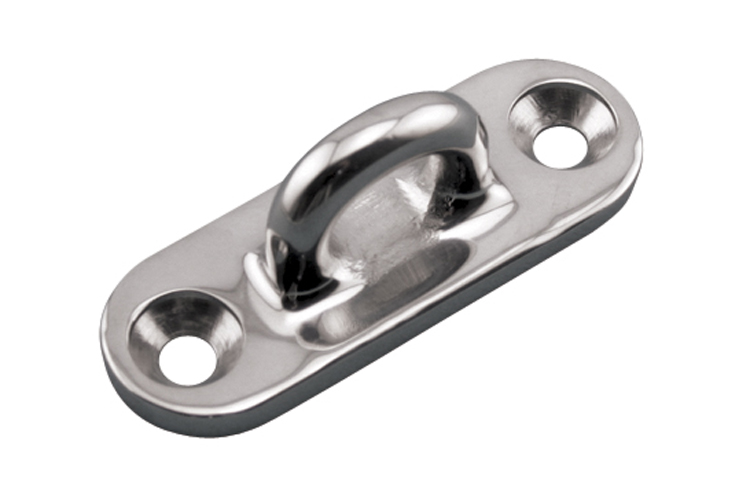
SKU: FAM-S3705-HD
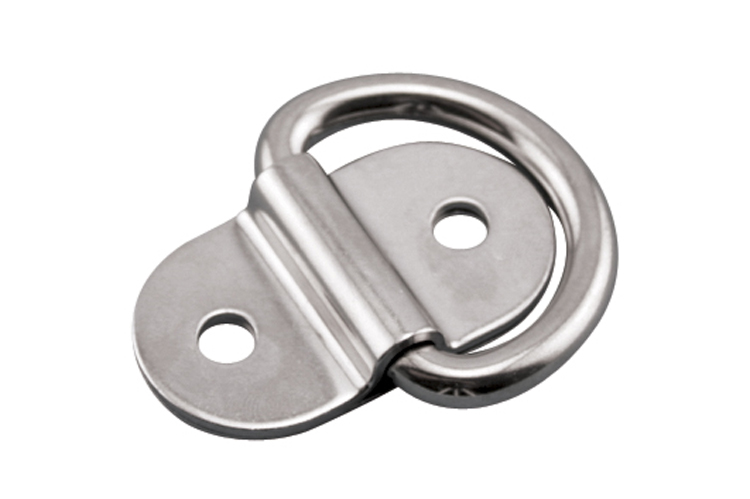
SKU: FAM-S3711
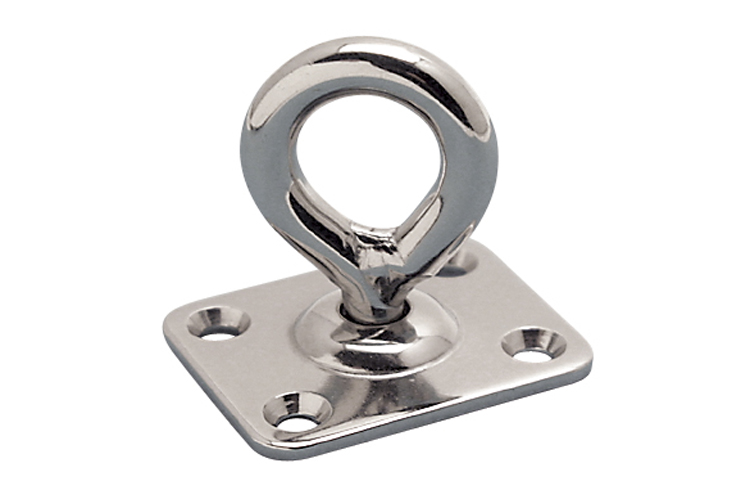
SKU: FAM-S3714-S
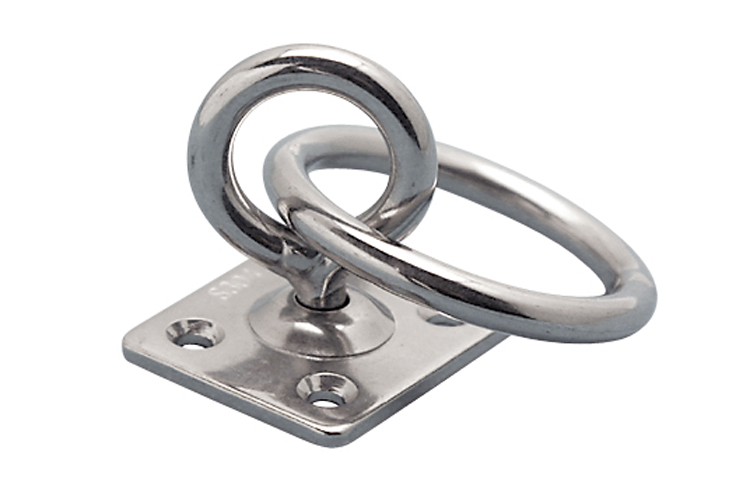
SKU: FAM-S3714-R
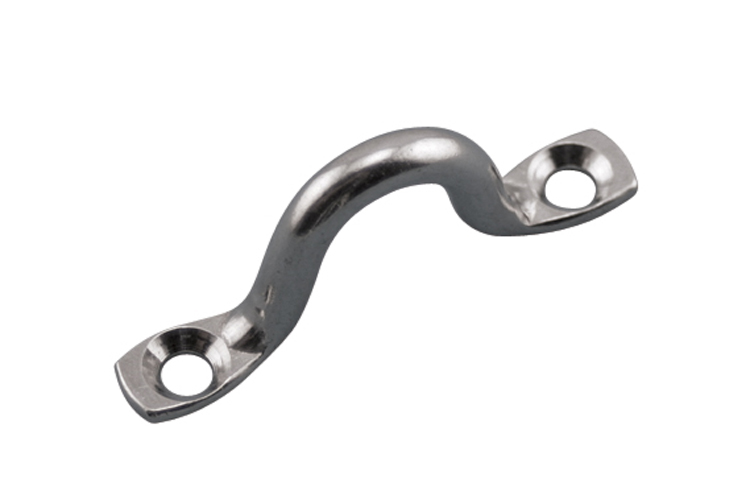
SKU: FAM-S3719

SKU: FAM-S370-DIAMOND
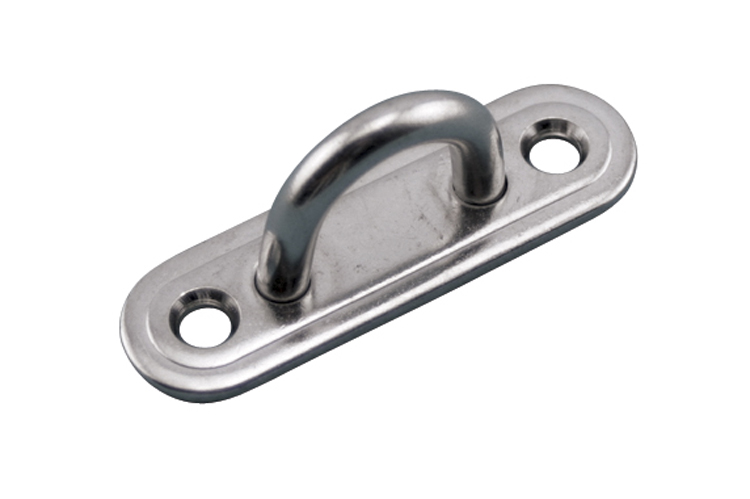
SKU: FAM-S3705-S
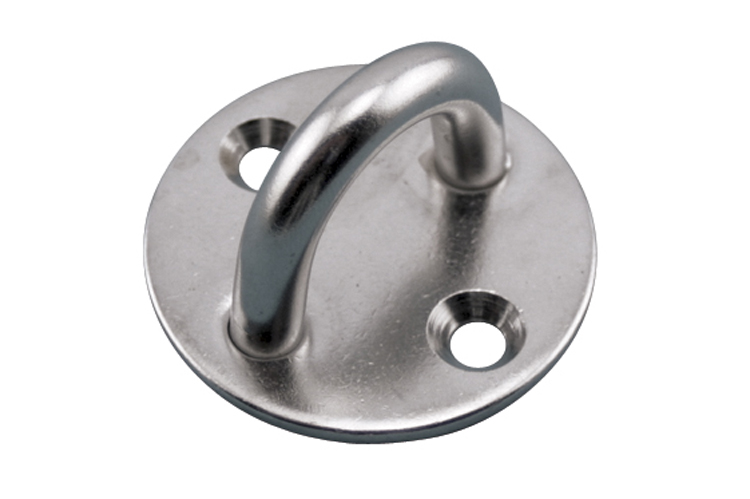
SKU: FAM-S3707
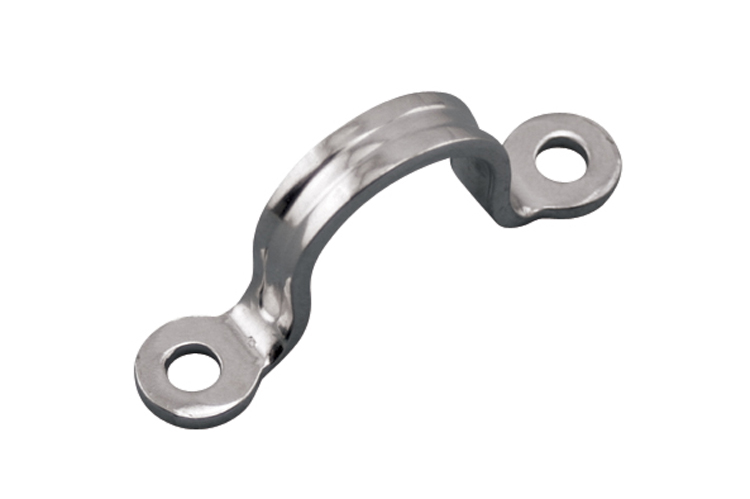
SKU: FAM-S3710
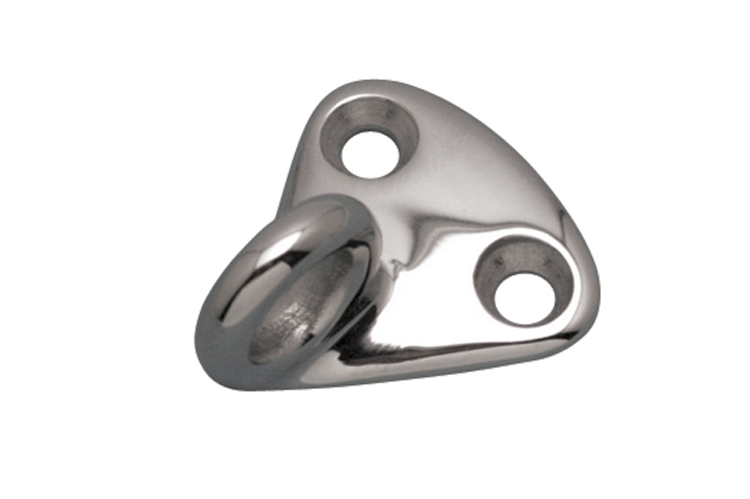
SKU: FAM-S3701
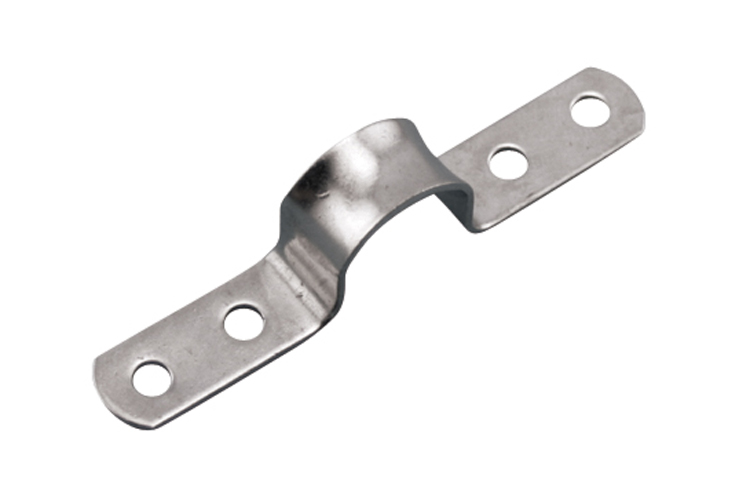
SKU: FAM-S3709
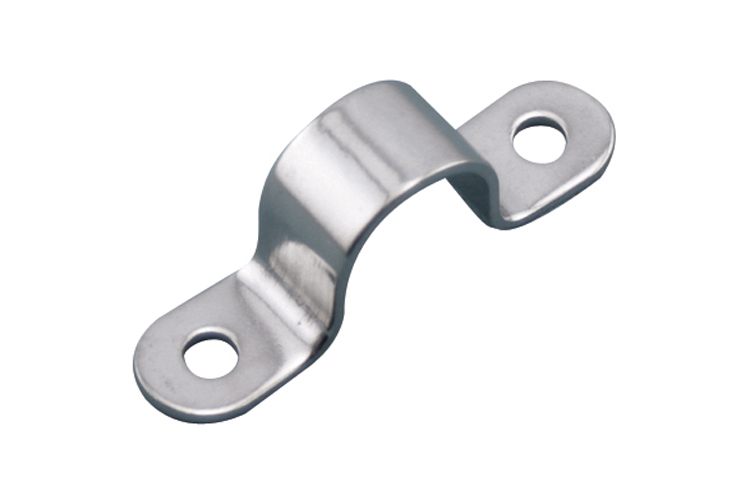
SKU: FAM-S3708
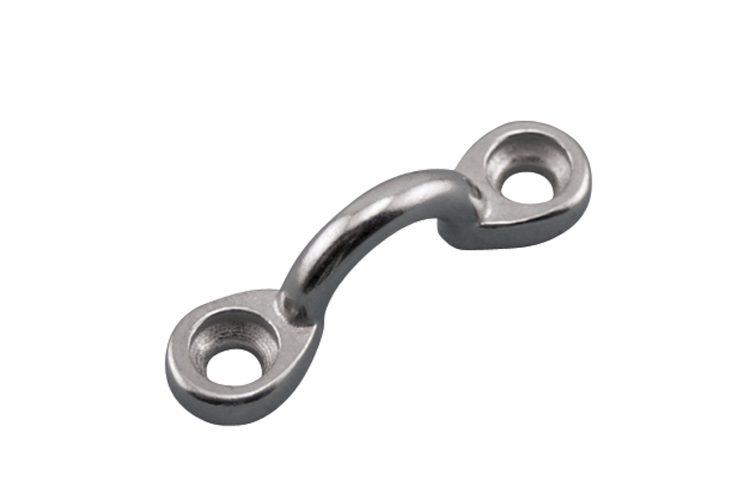
SKU: S3719-1005
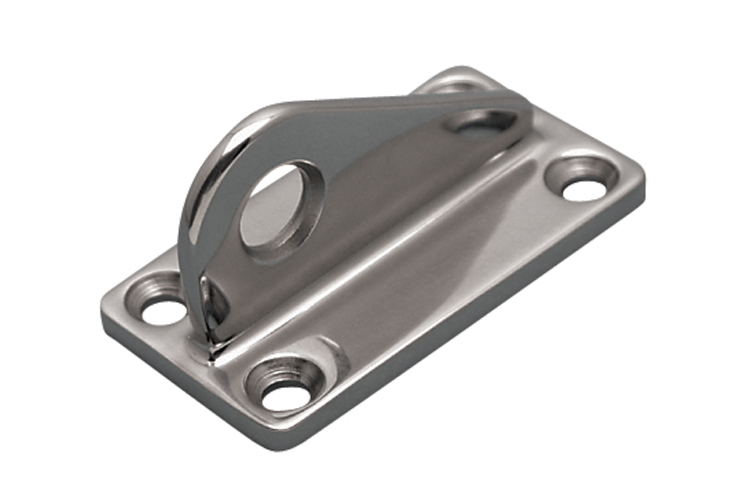
SKU: S3718-0000
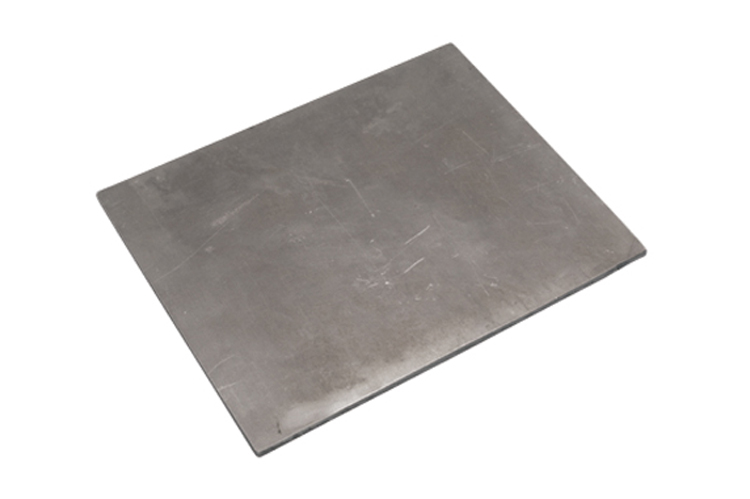
SKU: FAM-S3716
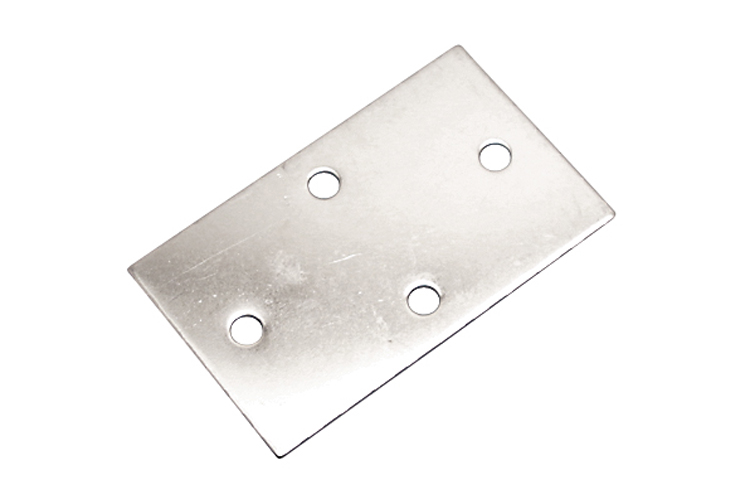
SKU: FAM-S3703
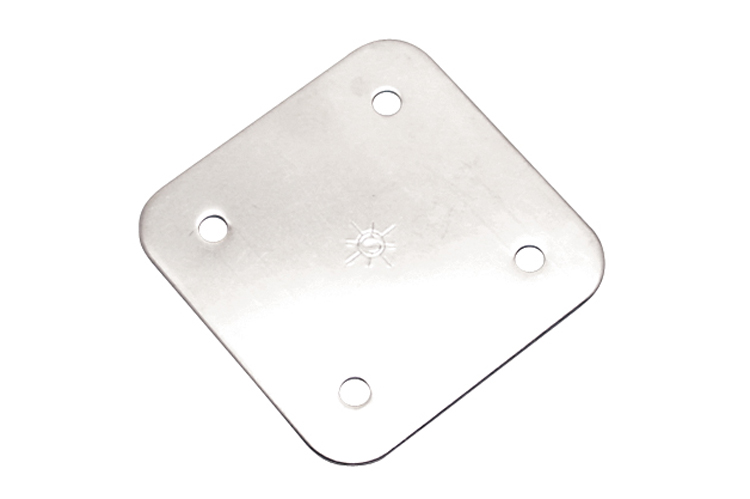
SKU: FAM-S3704
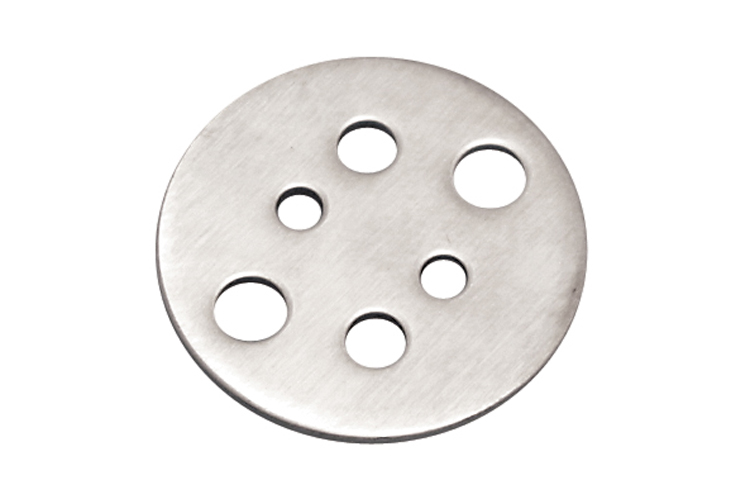
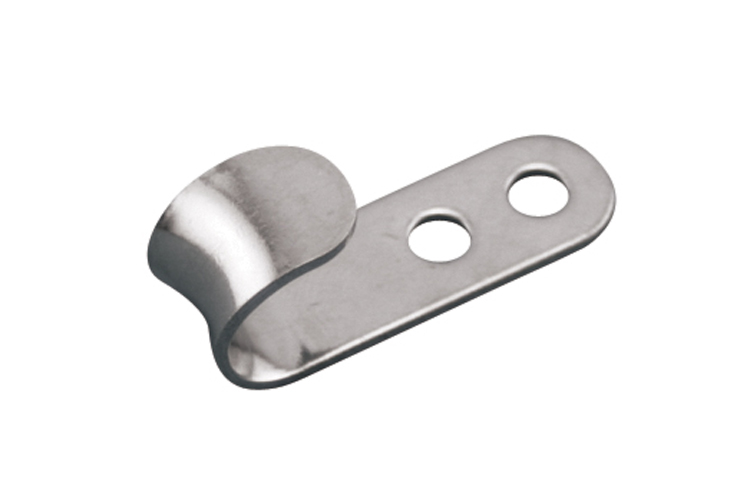
A pad eye is a surface-mounted attachment point with an eye for connecting line, cable or compatible hardware. Its plate spreads force into the supporting surface. The exact product, fasteners, backing and substrate determine the suitability of the finished installation.
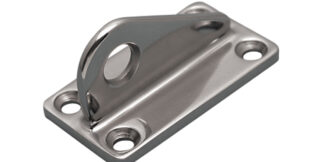
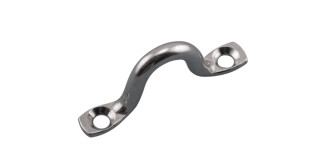
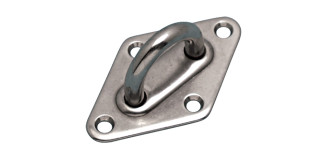
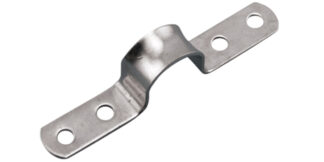
A pad eye usually has a plate or substantial base and is available in fixed, folding, swivel and heavy-duty forms. An eye strap is generally a lighter, lower-profile fitting with two or four mounting holes. Select from the exact dimensions and published service information rather than appearance alone.
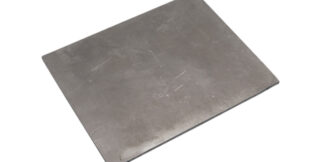
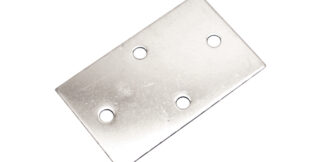
A backing plate helps spread the load over a larger area and reduces concentrated stress around the mounting fasteners. It is often important on thin panels, fiberglass decks and other surfaces that may deform or crush. Installation requirements should be confirmed for the substrate and intended load.
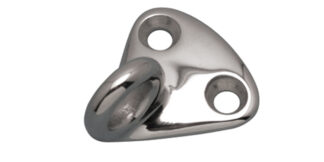
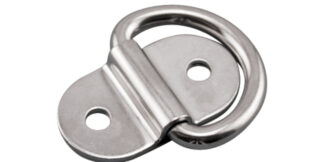
Fixed pad eyes provide a permanent upright attachment point. Folding pad eyes lie flatter when not in use. Swivel pad eyes rotate to follow changing line direction. Movement does not automatically permit side loading, so follow the exact product's published limits.
Forged products are shaped under pressure and are commonly selected for demanding applications. Cast products allow substantial shapes and varied geometry. Stamped fittings are formed from sheet and are often lighter and more economical. Construction method alone is not a load rating.
304 stainless performs well in many general environments. 316 stainless contains molybdenum and is generally preferred for marine, coastal and saltwater exposure. Confirm the material grade of the exact ordering SKU.
No. Do not use a pad eye for lifting, overhead service, towing, fall protection, personnel support or another safety-critical application unless the exact product and complete installation are specifically documented and rated for that use.
Start with the intended load and direction, then compare plate dimensions, eye opening, working height, fastener-hole size and spacing, stainless grade, backing requirements and the supporting structure. Use compatible fasteners and verify all published load and installation information.
Rinse salt and contamination with fresh water, keep folding or swivel joints clean and inspect the fitting, fasteners, sealant and substrate regularly. Replace components showing cracking, distortion, looseness, damaged welds, severe corrosion or elongated mounting holes.
Showing 1–12 of 21 results
Showing 1–12 of 21 results