CHAIN FAMILY
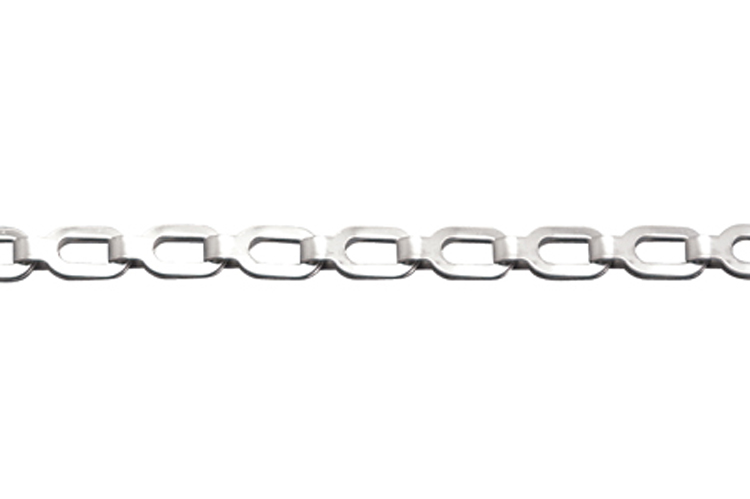
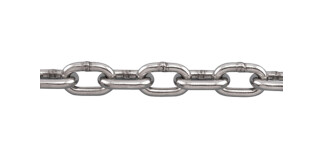
302 Stainless Steel Safety Chain
SKU: FAM-S0641
Price range: $2.44 through $2.48
View products
Select the chain construction, intended use, stainless grade and approximate diameter range. Options within a section broaden the results; selections in different sections work together.
SKU: FAM-S0641
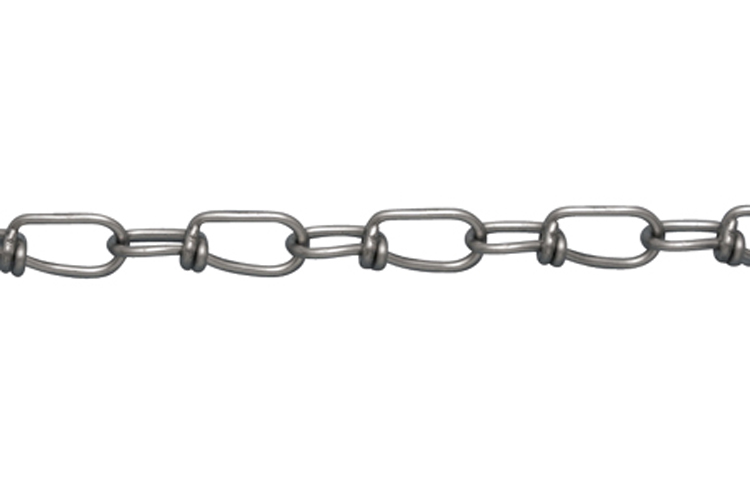
SKU: FAM-S0626

SKU: FAM-S0631
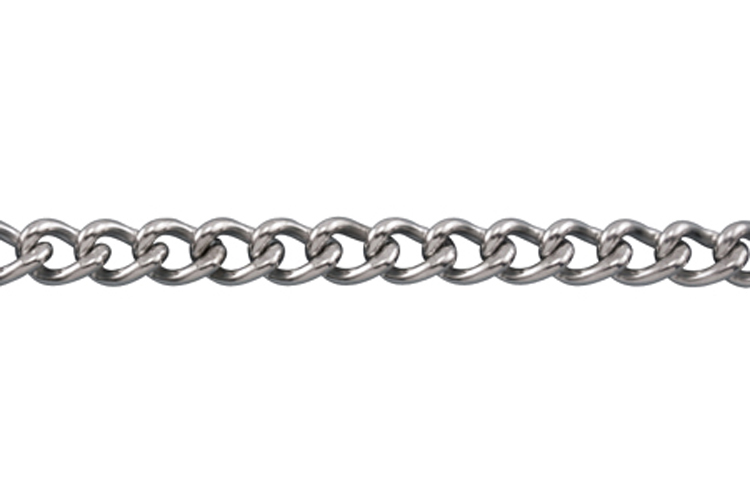
SKU: FAM-S0611
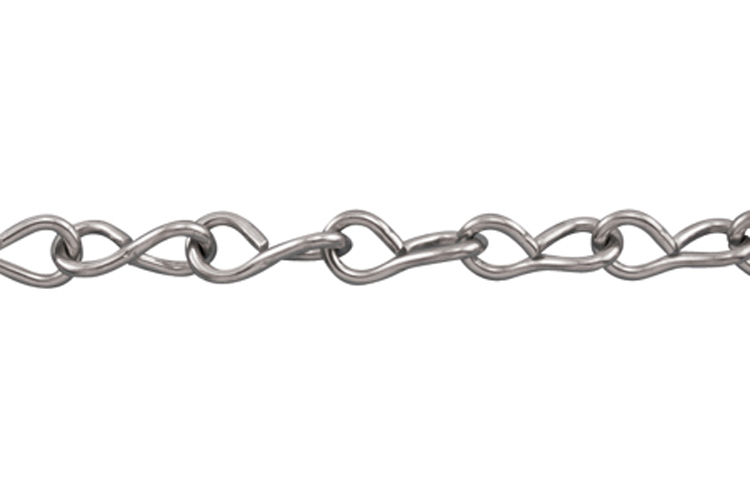
SKU: FAM-S0621
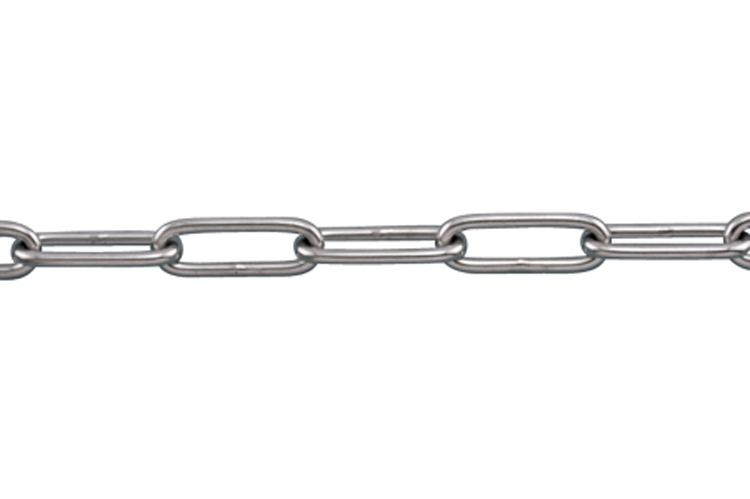
SKU: FAM-S0606
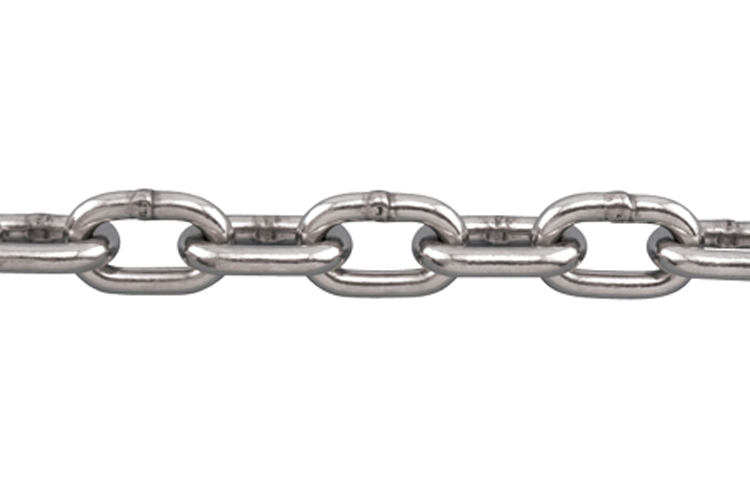
SKU: FAM-S0605
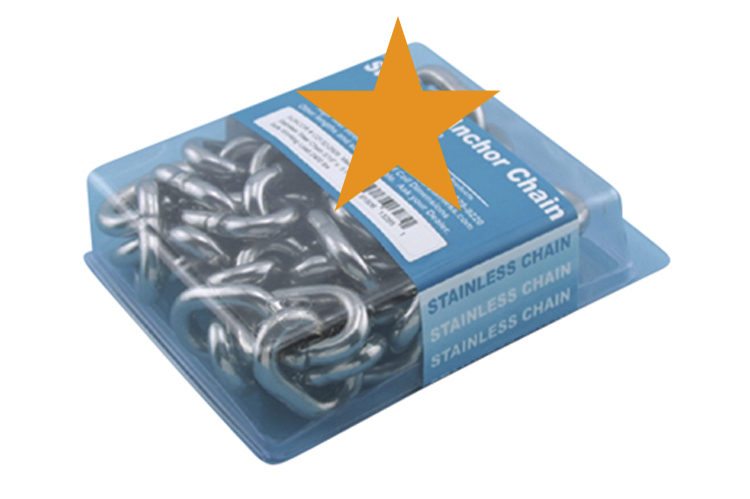
SKU: FAM-C0132
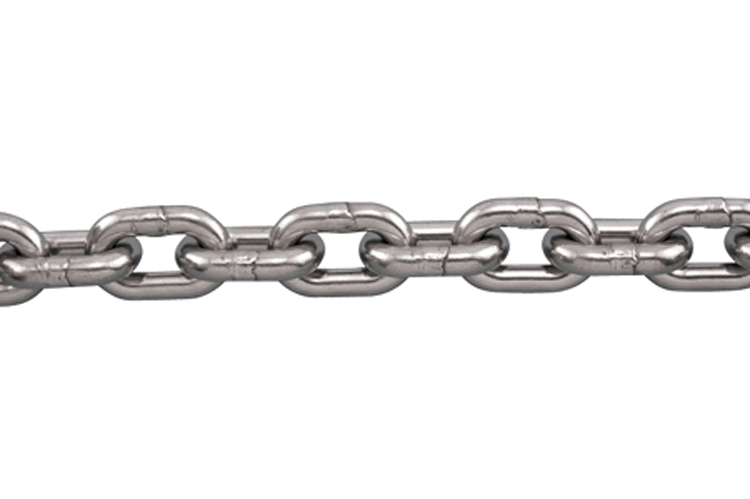
SKU: FAM-S0601
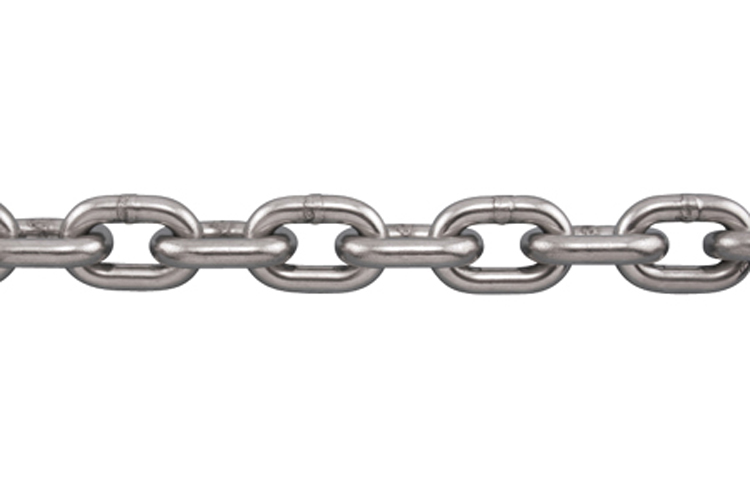
SKU: FAM-S0603
SKU: FAM-S0602

SKU: FAM-S0604
Begin with the intended use, required working load, environment, nominal chain diameter and link dimensions. Then confirm that the selected chain and every connecting component are compatible and appropriately rated.
302 and 304 stainless provide good general corrosion resistance. 316 and 316L contain molybdenum and are generally preferred for marine, coastal and saltwater exposure. Material grade alone does not establish working-load suitability.
BBB chain uses short, compact links designed for anchoring systems and compatibility with suitable windlasses. Confirm the exact link dimensions against the windlass gypsy before ordering.
NACM refers to dimensional conventions associated with the National Association of Chain Manufacturers. Industrial and utility NACM chain families can have different dimensions and performance data, so confirm the published specification for the exact product.
No. Nominal chain size normally refers to the stock diameter used to form the link. Inside length, inside width and outside dimensions are separate measurements and are important when matching shackles, hooks, windlasses and other hardware.
No. Use only chain specifically identified and documented for the intended lifting application. Decorative, jack, sash, twist-link, double-loop and general-purpose chains must not be assumed suitable for overhead lifting.
Working load limit is the maximum load specified by the manufacturer for a particular product under defined service conditions. It is not the breaking strength. Never select chain from appearance or diameter alone.
Inspect links and connecting hardware regularly for deformation, wear, cracking, corrosion or chemical contamination. Rinse marine chain with fresh water when practical and replace any chain that no longer meets the applicable service requirements.
Showing 13–24 of 79 results
Showing 13–24 of 79 results