
PRODUCT FAMILY
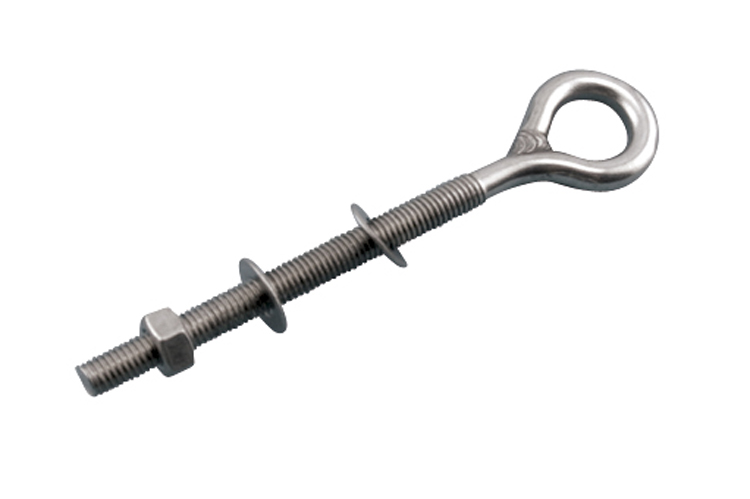
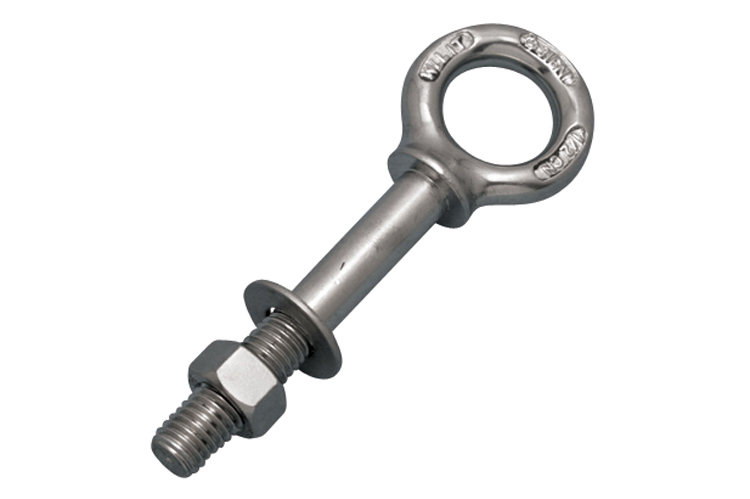
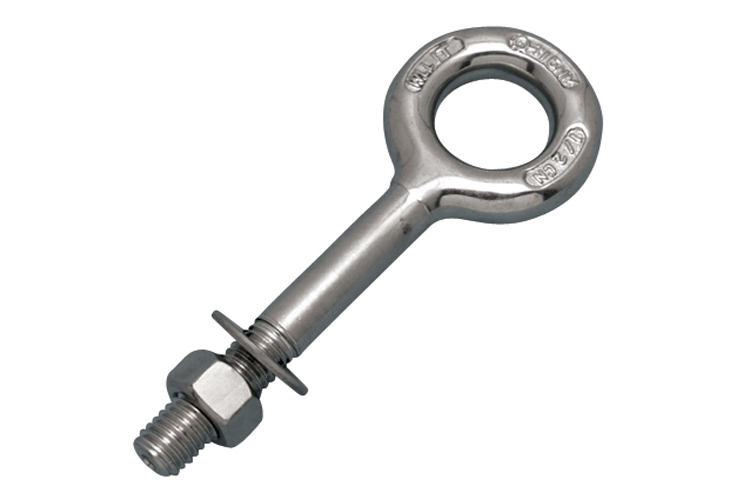
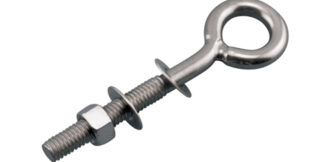
304 Stainless Steel Metric Welded Eye Bolts
SKU: FAM-S0313
Price range: $2.38 through $16.81
View products
Select a product type, construction style or stainless grade. Options within one section broaden the results; selections in different sections work together.
SKU: FAM-S0313
SKU: FAM-S0310
SKU: FAM-S0312
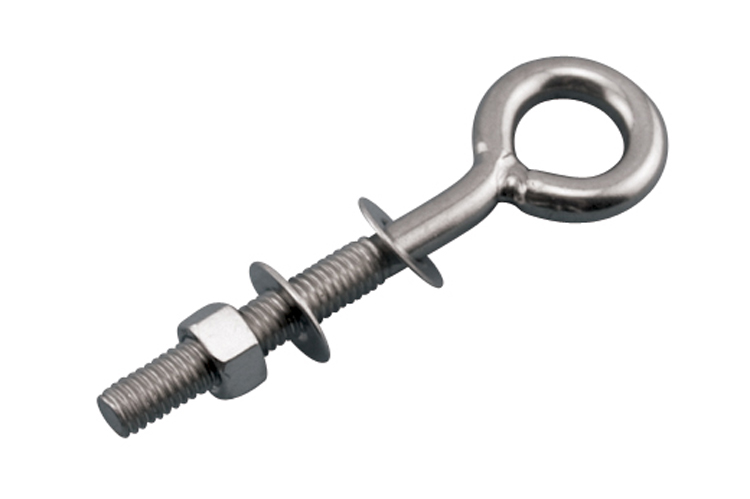
SKU: FAM-S0312-X
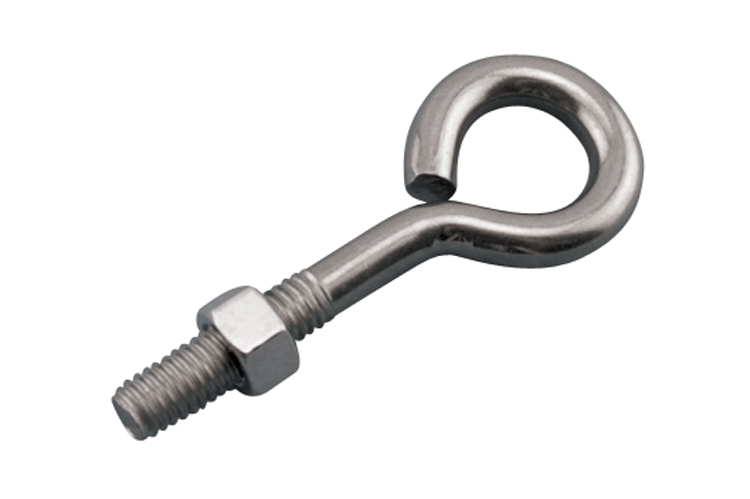
SKU: FAM-S0310-X
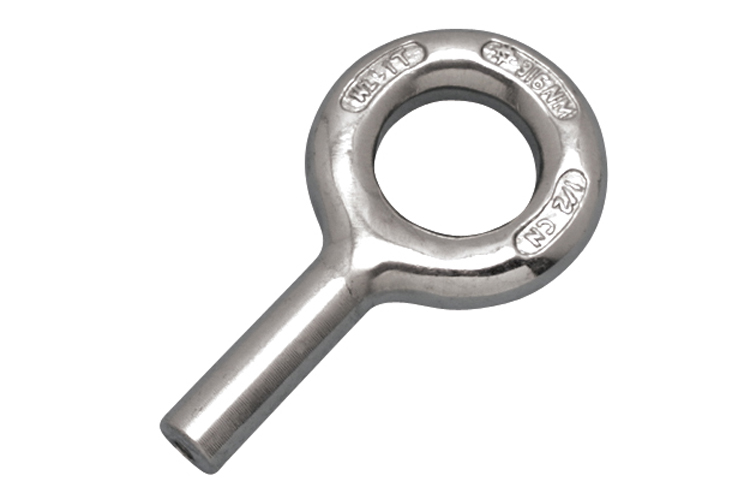
SKU: FAM-S0315-R

SKU: FAM-S0314-R

SKU: FAM-S0316
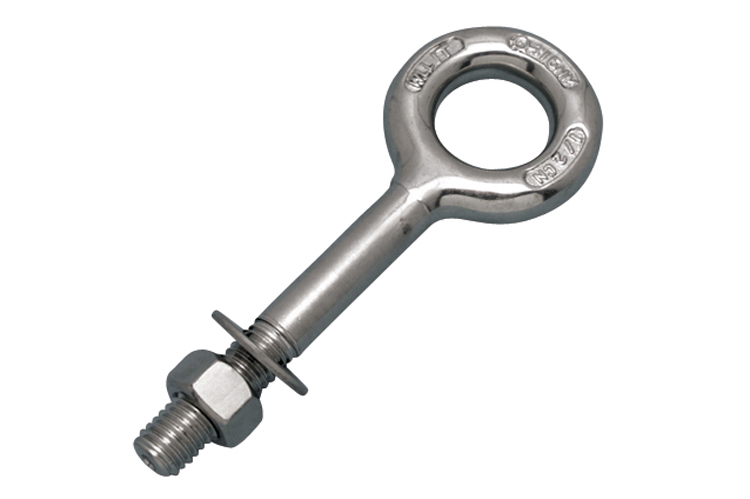
SKU: FAM-S0315-M
SKU: FAM-S0314-M
SKU: FAM-S0315-NM

SKU: FAM-S0314-NM
SKU: FAM-S0329
SKU: FAM-S0331
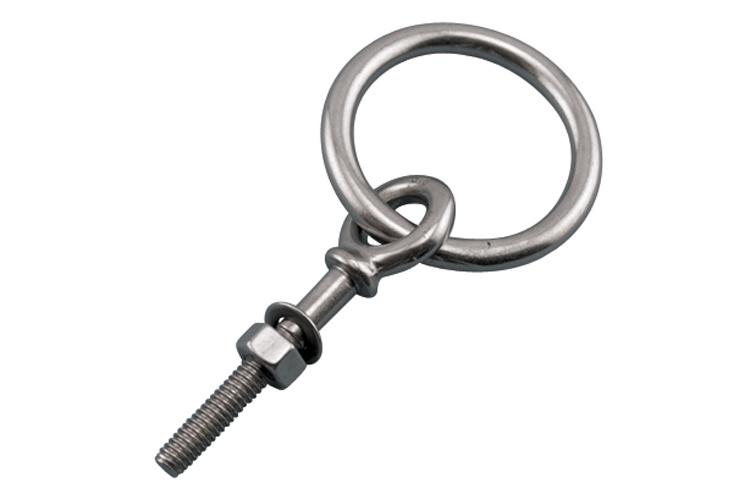
SKU: FAM-S0330
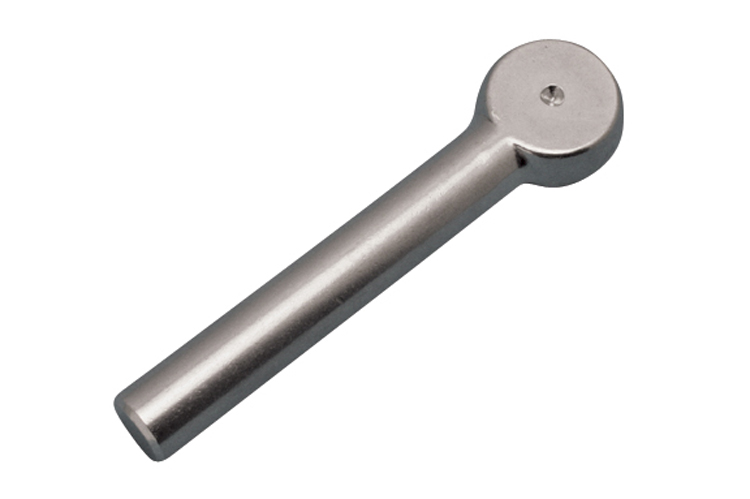
SKU: FAM-S0360
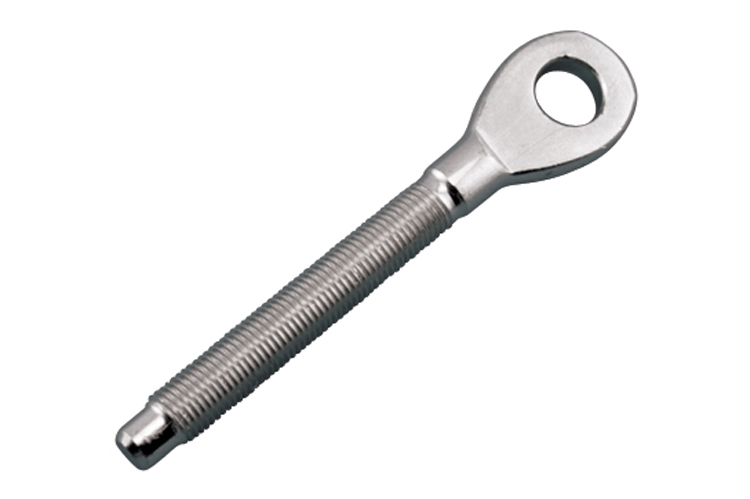
SKU: FAM-S0318
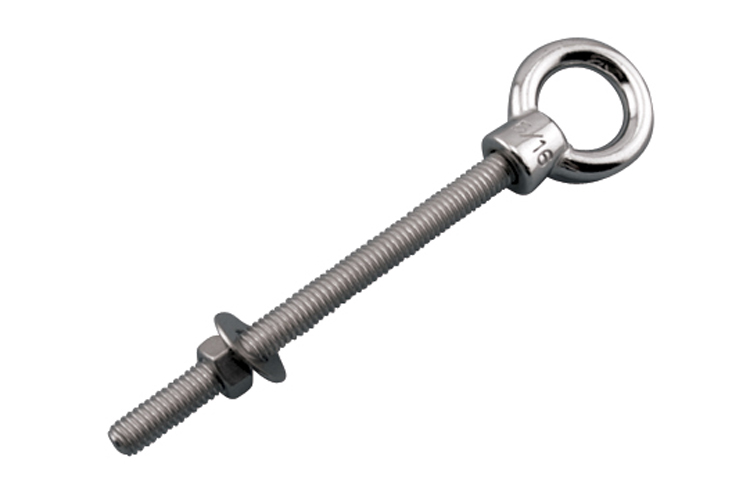
SKU: FAM-S0319
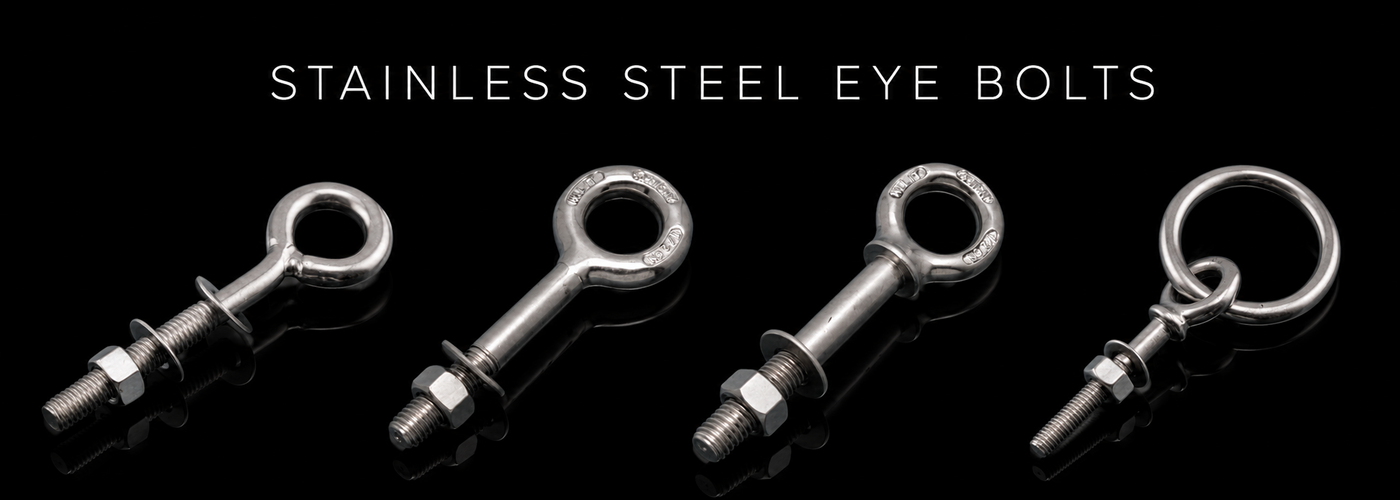
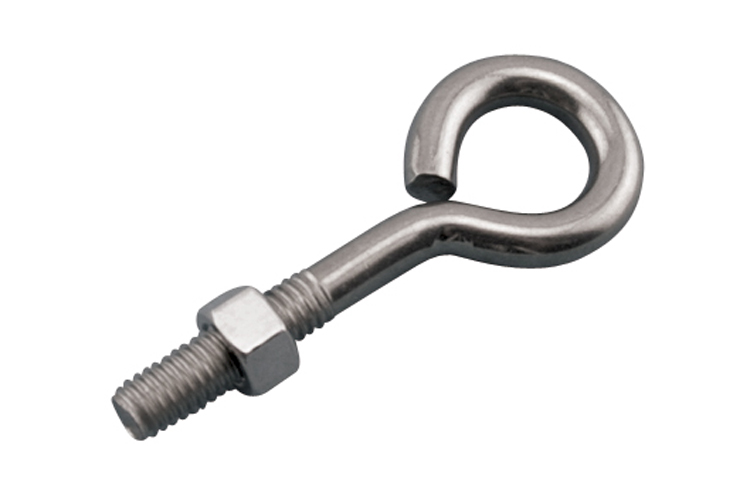
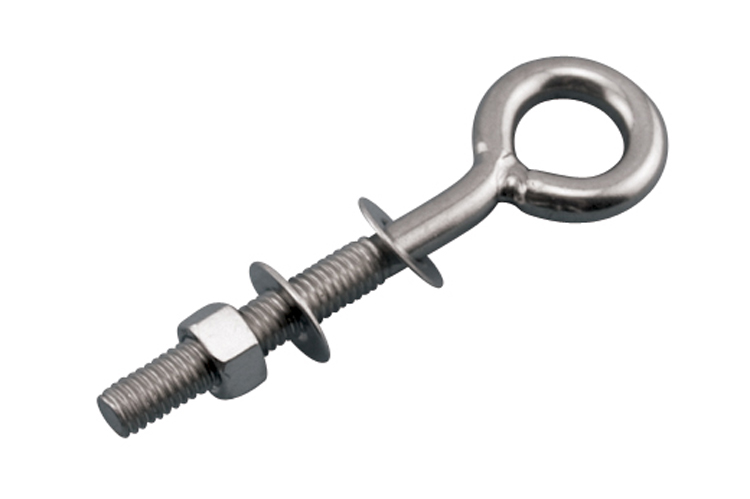
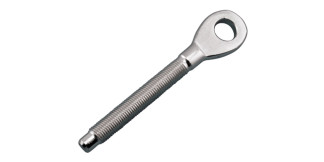
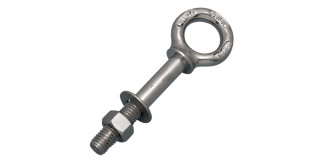
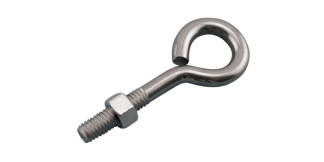
Welded eye bolts have a closed eye secured by welding. Unwelded patterns have an open or formed eye and are intended for applications that permit that construction. Forged eye bolts are shaped from solid metal for a strong, continuous body. Always use the exact product documentation to determine suitability.
Plain eye bolts are generally intended for straight-line loading. A shoulder helps support some angular loading, but only when the manufacturer explicitly permits that loading direction and angle. Never assume a shoulder alone makes an eye bolt suitable for every angular load.
304 stainless performs well in many general environments. 316 stainless contains molybdenum and is generally preferred for marine, coastal and saltwater exposure. Verify the grade of the exact family and ordering SKU.
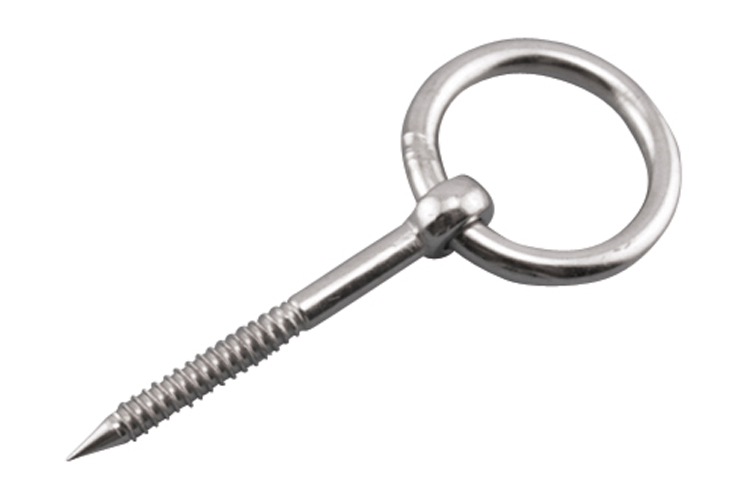
Metric and machine-thread eye bolts install into a matching threaded hole or nut. Lag-threaded ring bolts install into suitable timber or other approved substrates. Match the thread standard, diameter and pitch to the mating component.
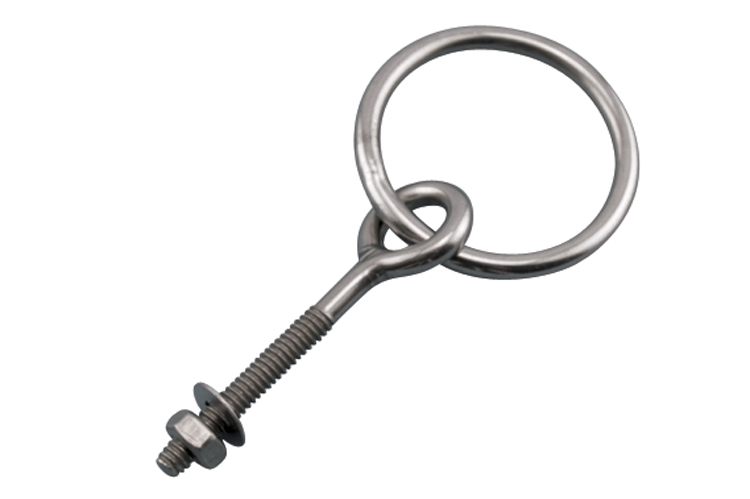
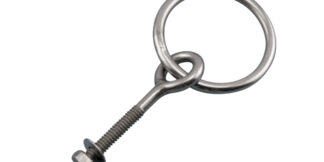
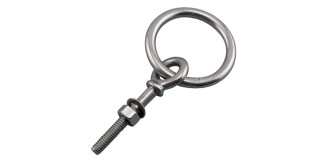
An eye bolt has a fixed eye formed as part of the threaded body. A ring bolt uses a ring that can pivot relative to its mounting body. Their movement, installation and load behavior differ, so they are not automatically interchangeable.
No. Do not use an eye bolt for lifting, overhead service, personnel support or another safety-critical application unless the exact product has published ratings and instructions for that use.
Confirm the stainless grade, thread standard, diameter, eye dimensions, installation direction and required working load. Then compare those requirements with the exact product drawing and published load information.
Use compatible threads and fasteners, avoid cross-threading, follow the specified engagement and torque, isolate dissimilar metals where required and inspect regularly. Replace hardware showing deformation, cracking, damaged threads, looseness or severe corrosion.
Showing 13–18 of 18 results
Showing 13–18 of 18 results