

PRODUCT FAMILY
304 Stainless Steel Trailer Kits
SKU: FAM-C0268
Price range: $237.07 through $270.94
View products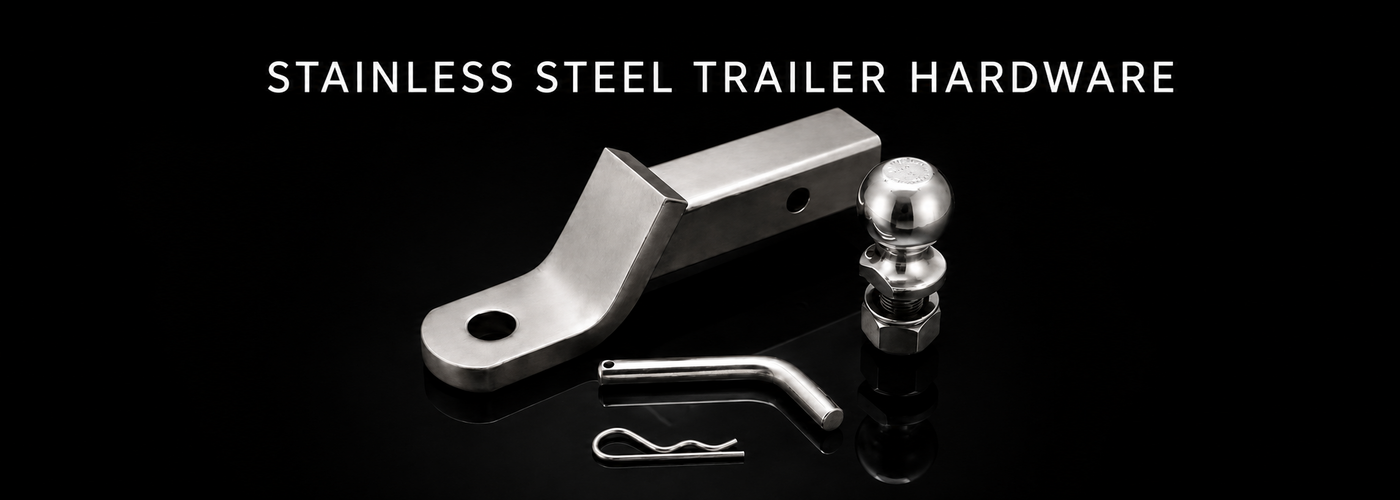
Start with the type of trailer hardware you need, then refine by component, hitch-ball size, capacity, strap length, material or color. Options within one section broaden results; selections in different sections work together.
SKU: FAM-C0268
SKU: FAM-C0265
SKU: FAM-C0260
SKU: FAM-C0270-WINCH
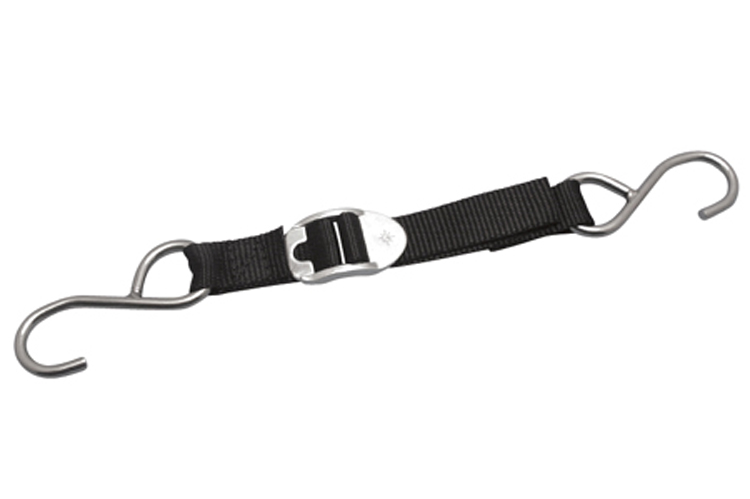
SKU: FAM-S0280
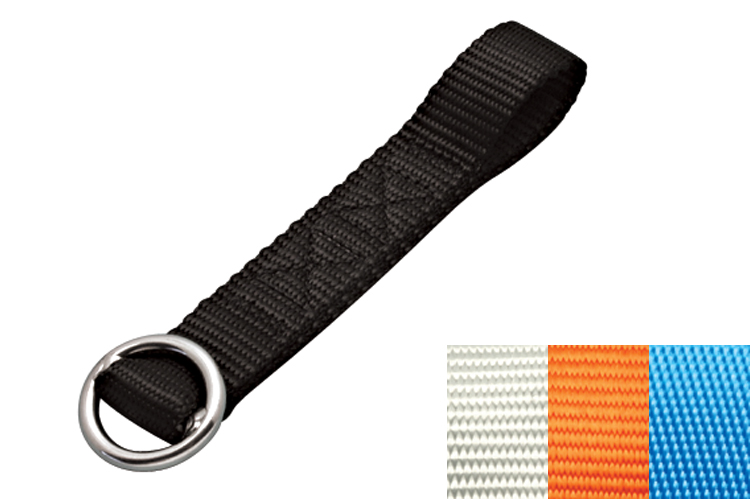
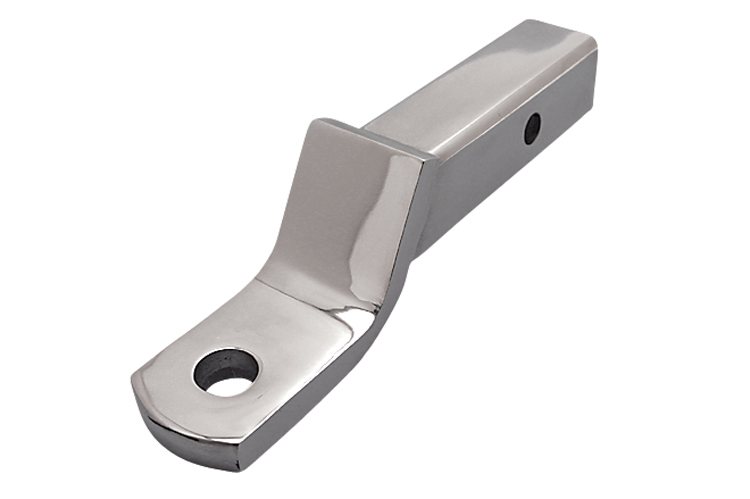
SKU: FAM-C0266
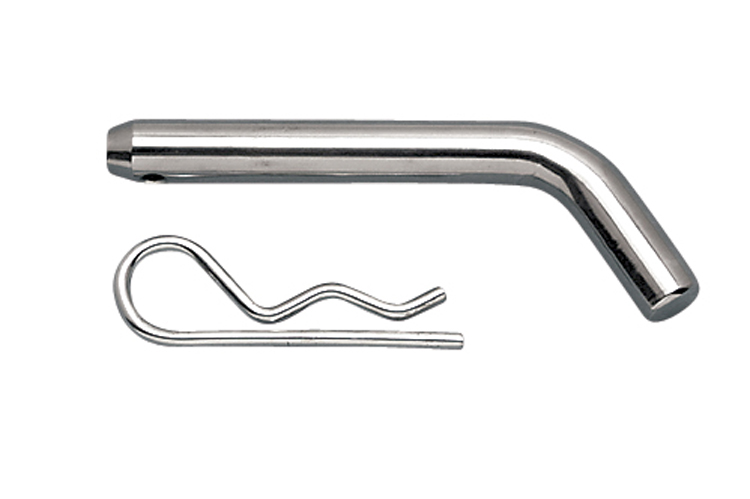
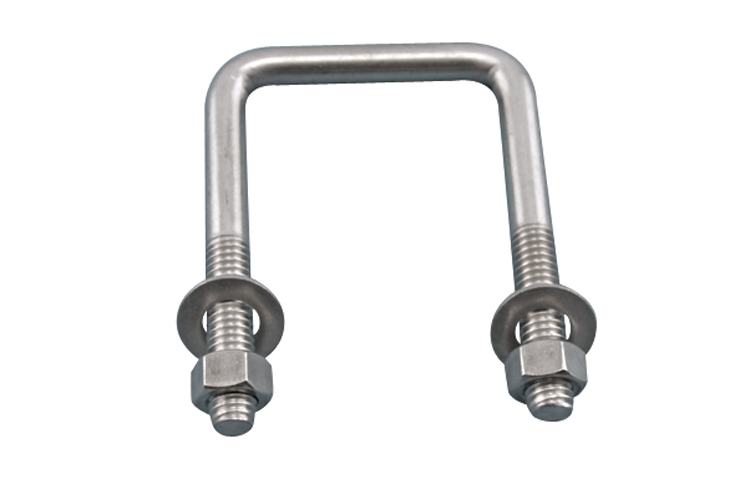
SKU: FAM-S0276
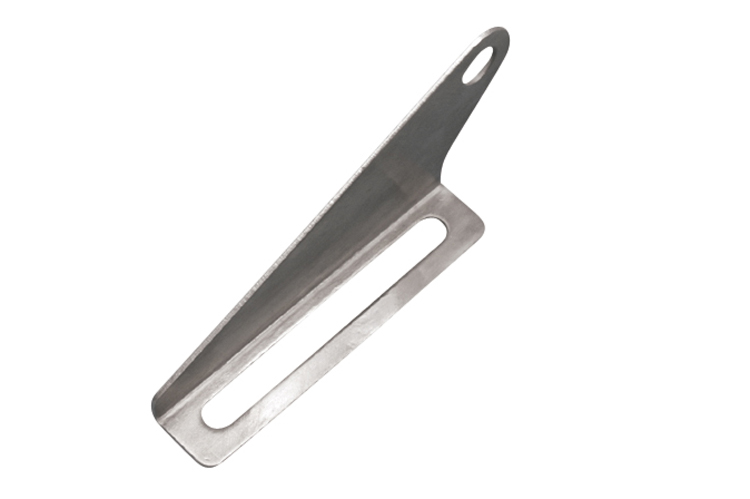
SKU: S0279-0001
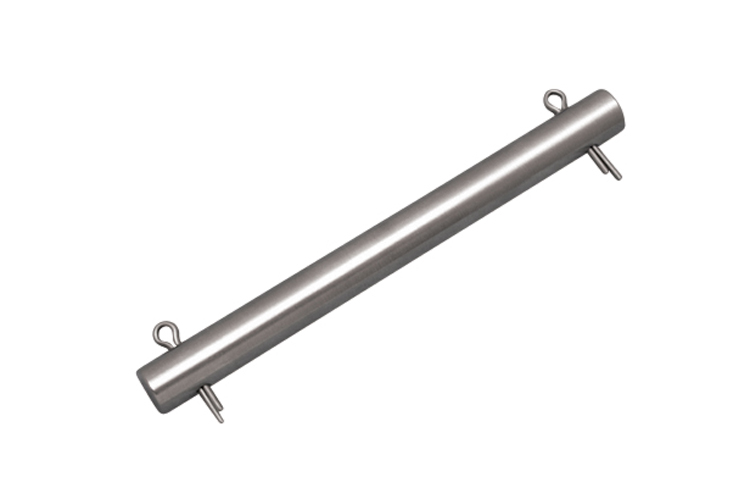
SKU: FAM-S0278
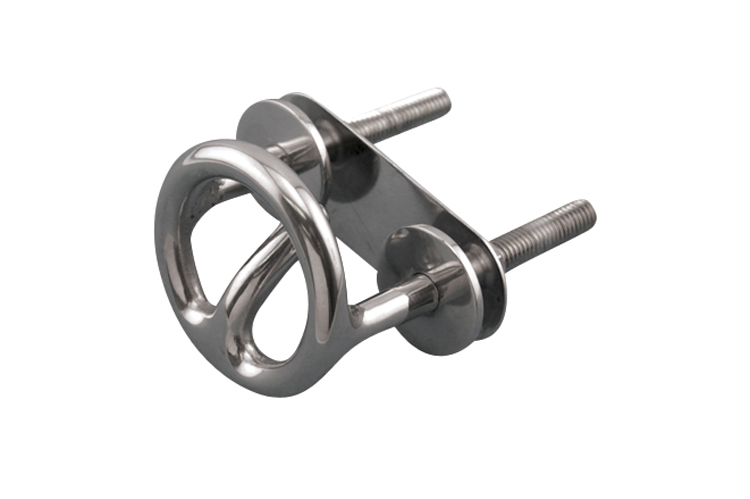
SKU: S3588-0065
The category includes grouped families for trailer kits, couplers, forged hitch balls, winches, tie-downs, tongue components, U-bolt sets and shaft pal nuts, plus selected pins, roller hardware and tow rings.
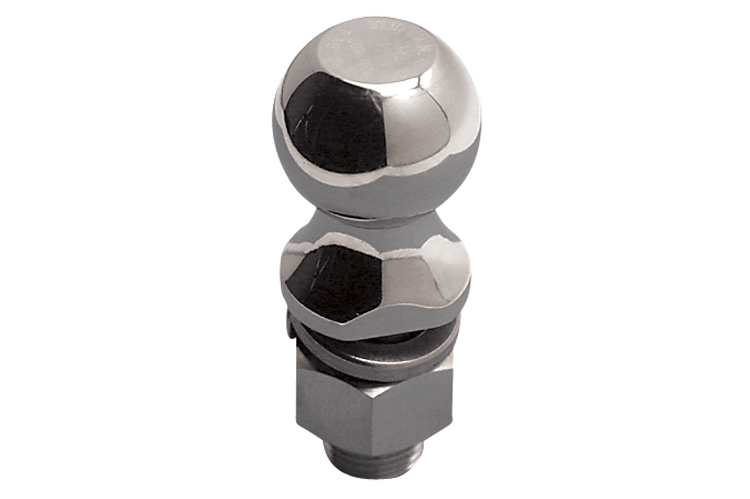
The ball diameter must exactly match the coupler rating and size. This range includes 1-7/8, 2 and 2-5/16 inch ball options. Also confirm shank diameter, shank length, mounting thickness and rated capacity.
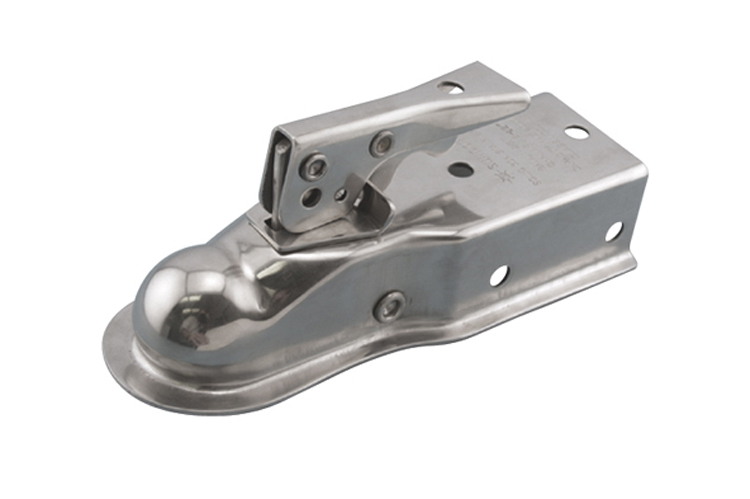
Match the coupler to the exact hitch-ball diameter, trailer tongue width and required capacity. Coupler families in this category include 1-7/8 and 2 inch ball sizes with several tongue-width options.
A trailer kit combines compatible towing hardware for a stated capacity. Individual components are useful for a replacement or custom installation, but every part still must be compatible and rated for the complete towing system.
Select a kit whose published rating meets the actual loaded trailer requirement and does not exceed the ratings of the tow vehicle, hitch, ball, coupler or mounting structure. Available grouped options include 2,000, 3,500 and 6,000 lb families.
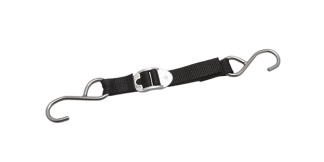
Choose a strap long enough to reach approved attachment points with adequate adjustment, while avoiding excessive loose webbing. The grouped tie-down range includes 4, 8, 12 and 16 foot options. Confirm working-load information and inspect the strap before every use.
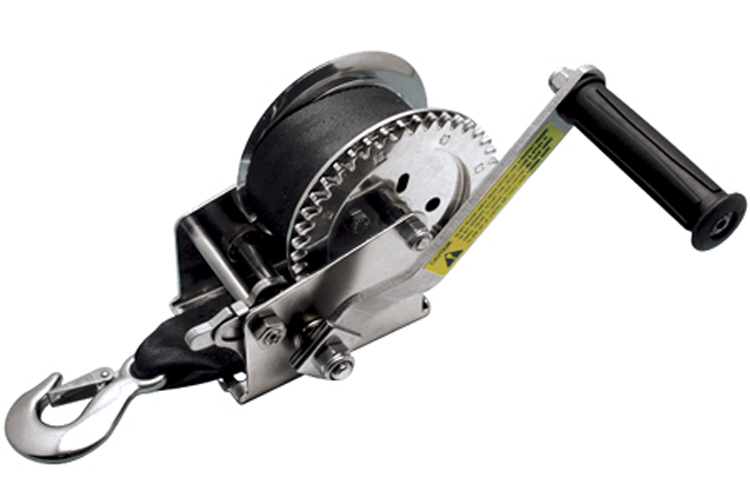
Different winch parts have different strength, wear and corrosion-resistance requirements, so a product may combine stainless grades. Use the exact published specification for the selected winch rather than assuming every component uses the same alloy.
Before towing, inspect for looseness, deformation, cracks, damaged threads, worn pins, strap cuts, corrosion and proper engagement. Rinse salt and contaminants away, lubricate only where the manufacturer permits, and replace questionable hardware rather than attempting an unsafe repair.
No. Finder results are a shopping aid, not an engineering or towing approval. Verify the tow vehicle, trailer, hitch, ball, coupler, winch, fasteners and attachment structure; follow product instructions, torque requirements and applicable laws; and never exceed the lowest-rated component. Use a qualified installer when needed.
Showing 25–36 of 40 results
Showing 25–36 of 40 results