
PRODUCT FAMILY
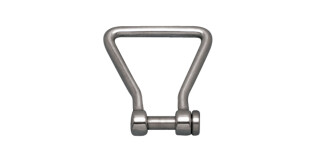
Stainless Steel Bottom Rail Mounts
SKU: FAM-S3675
Price range: $47.32 through $52.93
View products
Select the product group, fitting style or tube size. Options within one section broaden the results; selections in different sections work together.
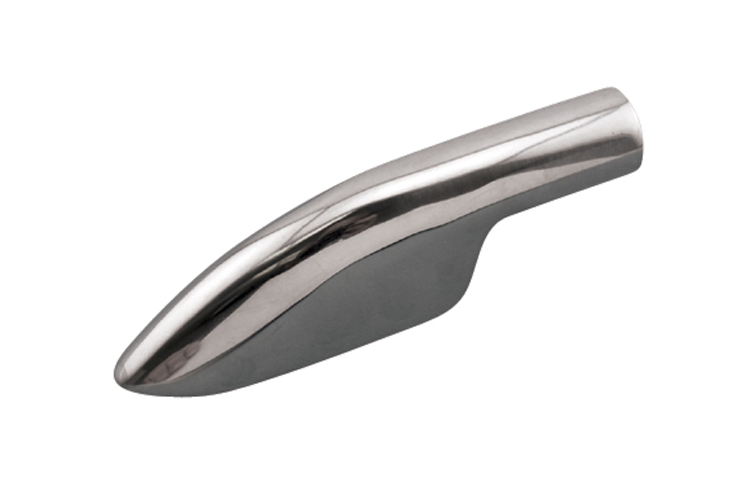
SKU: FAM-S3675
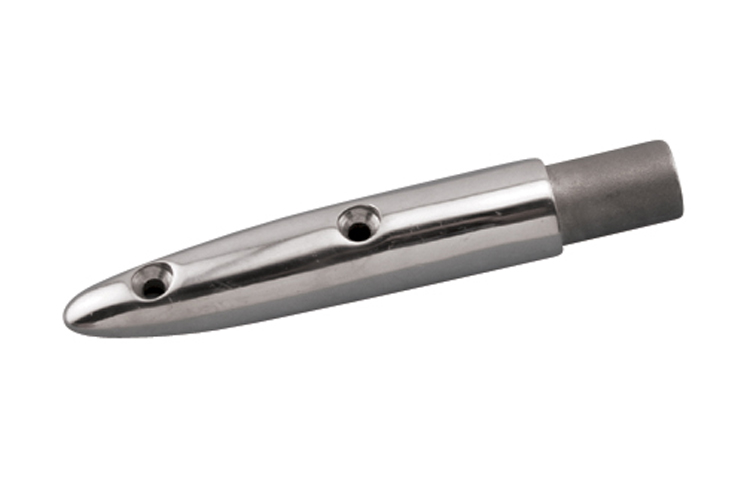
SKU: FAM-S3676-77
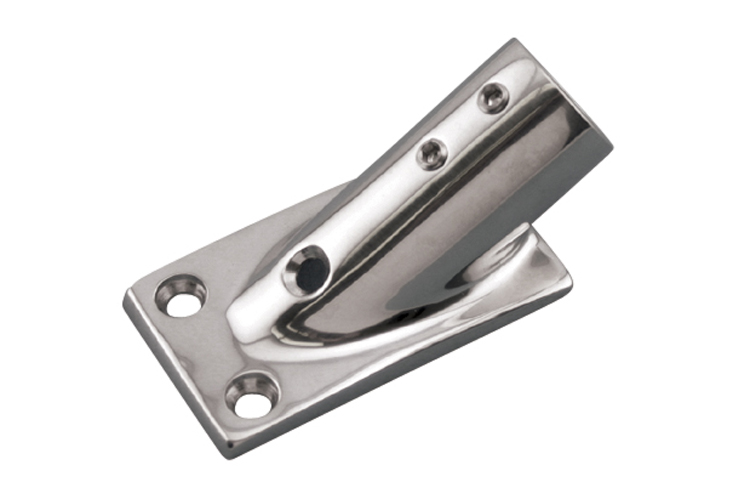
SKU: FAM-S3651
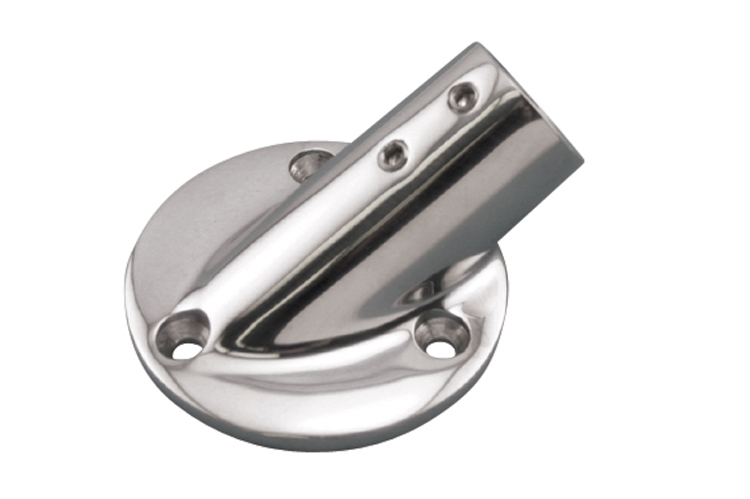
SKU: FAM-S3650
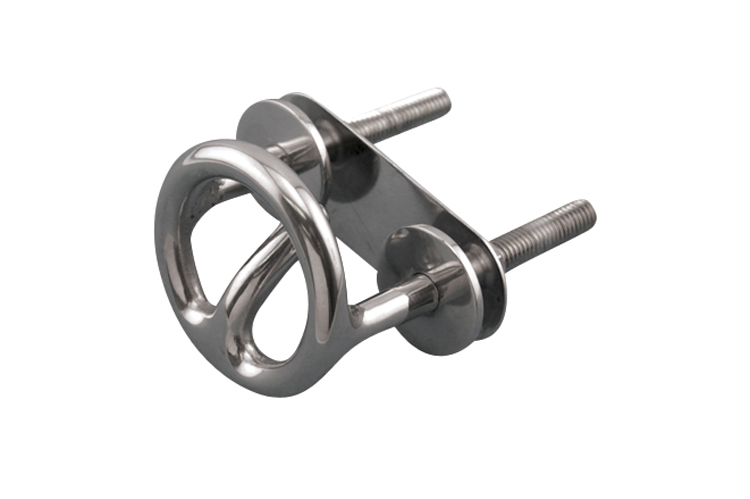
SKU: S3588-0065

SKU: FAM-S3610
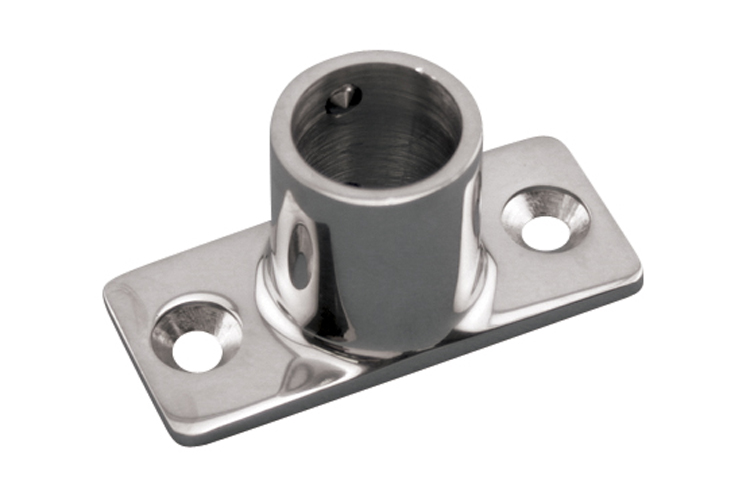
SKU: FAM-S3652
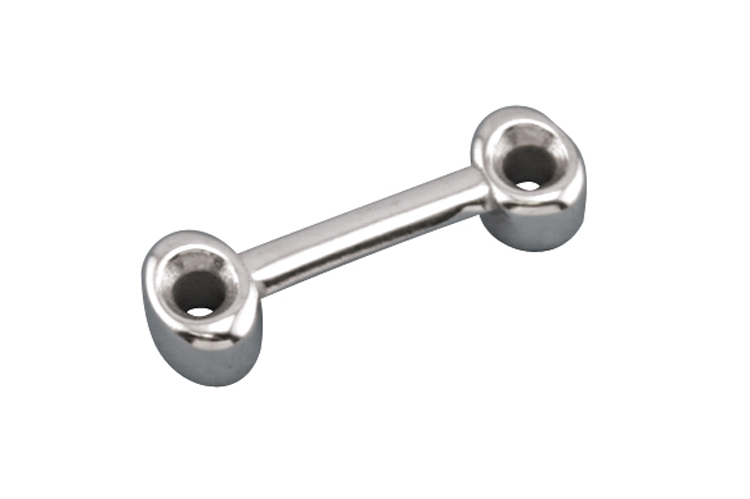
SKU: FAM-S0224

SKU: FAM-S3670
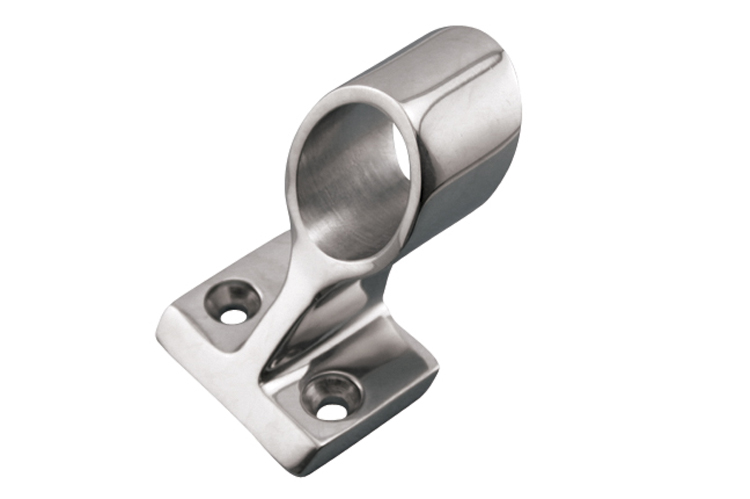
SKU: FAM-S3672

SKU: FAM-S3671
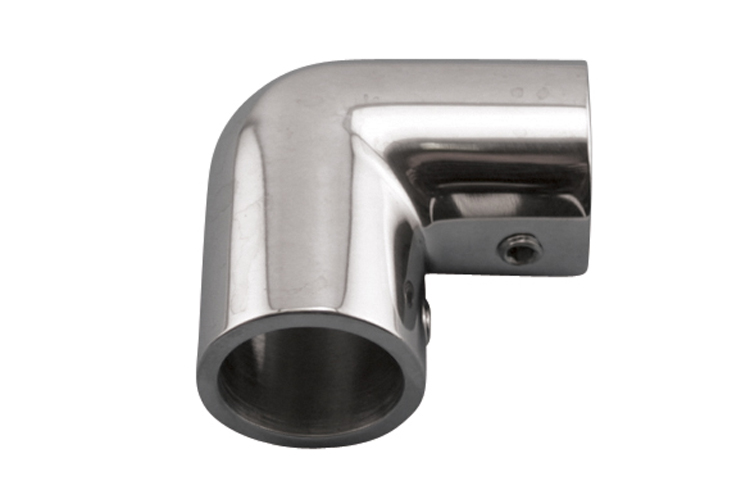
SKU: FAM-S3665
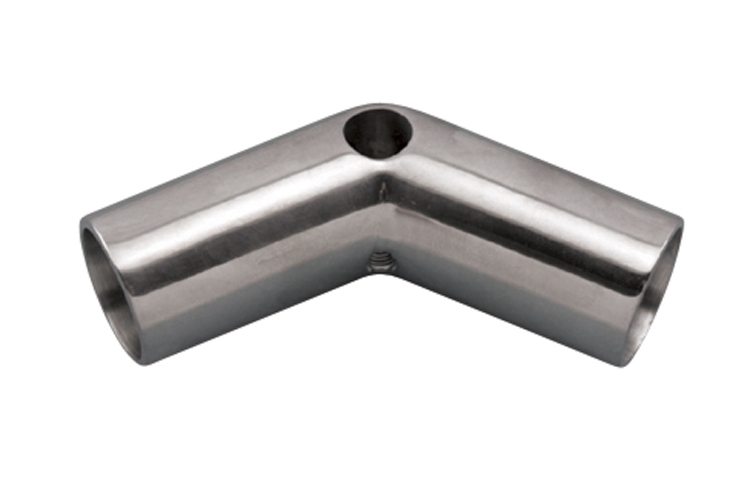
SKU: FAM-S3663
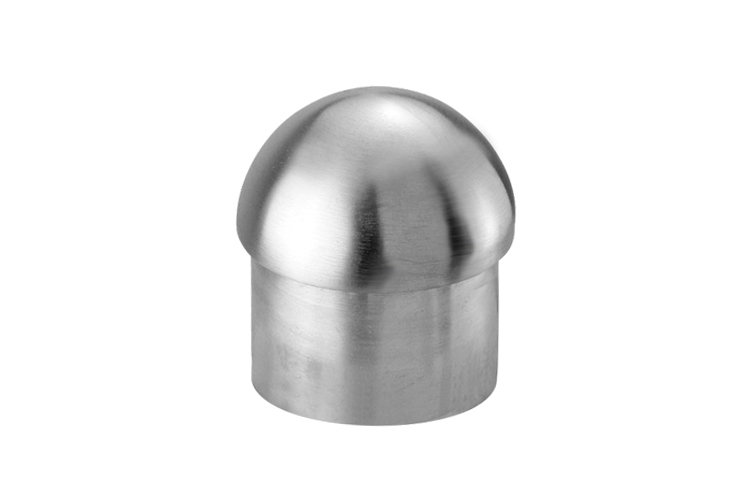
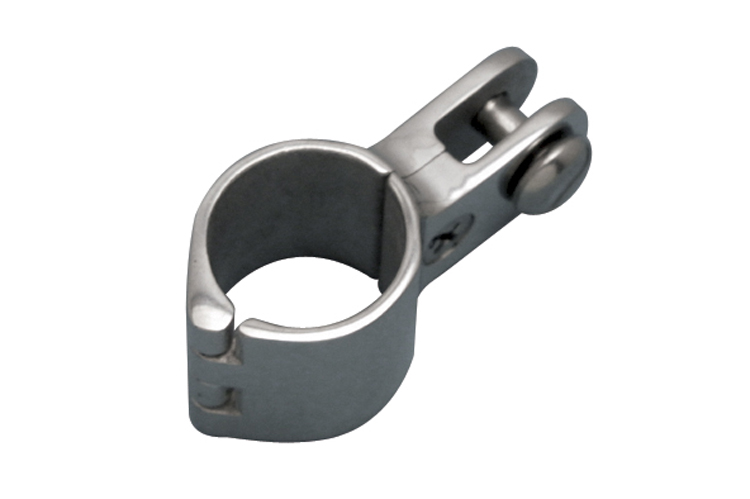
SKU: FAM-S3683
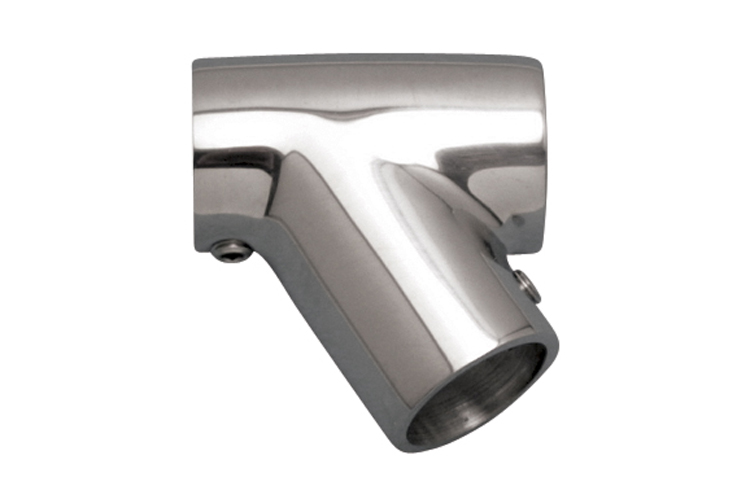
SKU: FAM-S3660-L
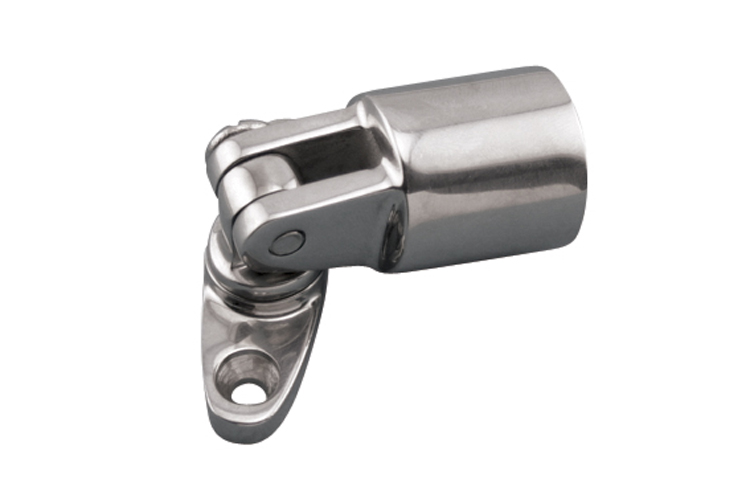
SKU: FAM-S3684
SKU: FAM-S3660-R
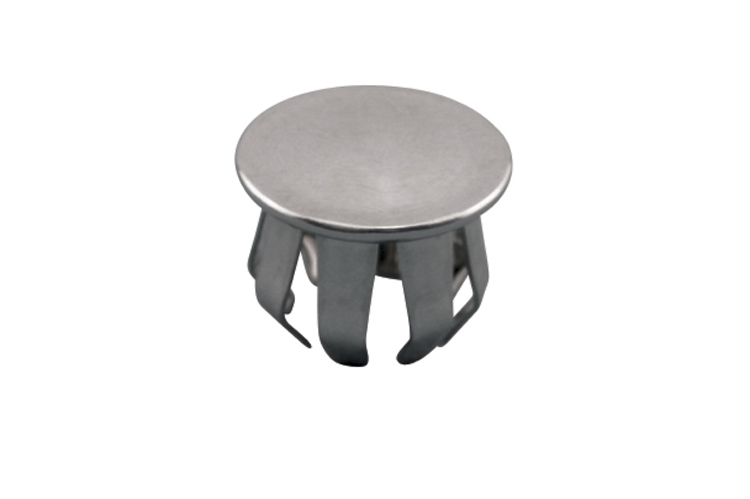
SKU: FAM-S3679
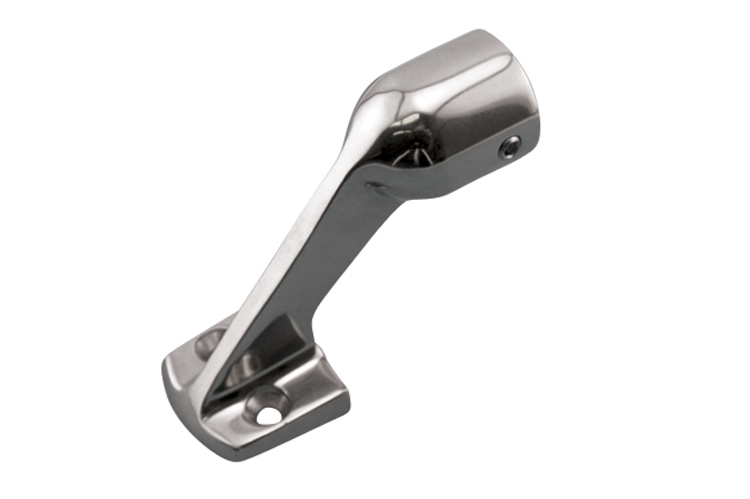
SKU: FAM-S3673

SKU: FAM-S3666
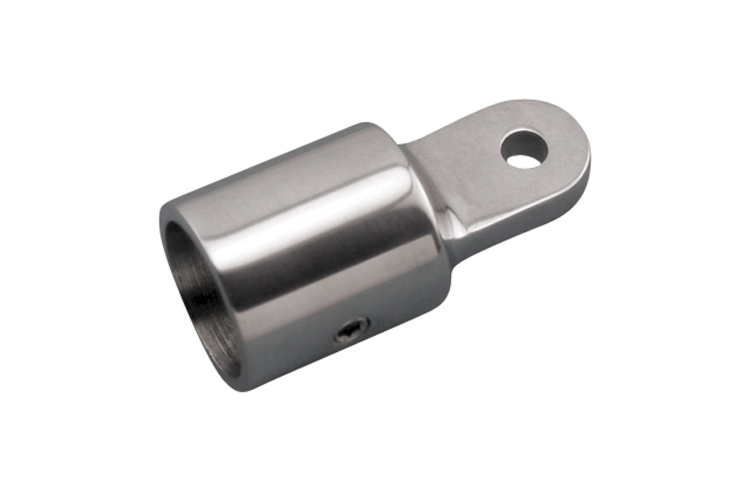
SKU: FAM-S3680

SKU: FAM-S3681

SKU: FAM-S3609
SKU: FAM-S3660-U
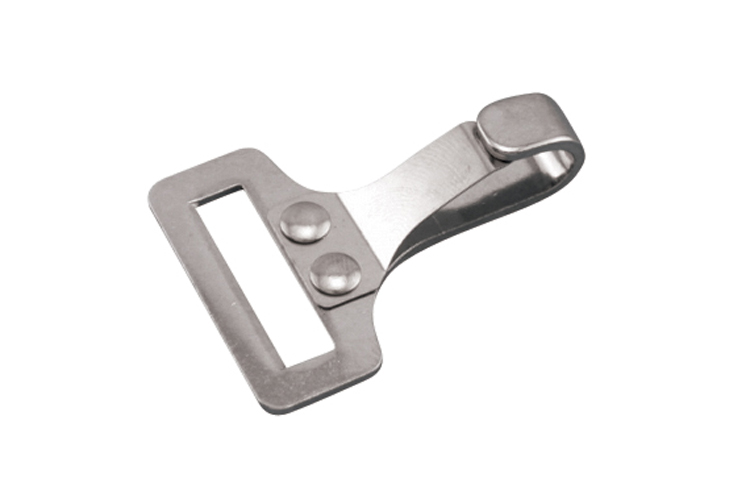
SKU: S0220-0025
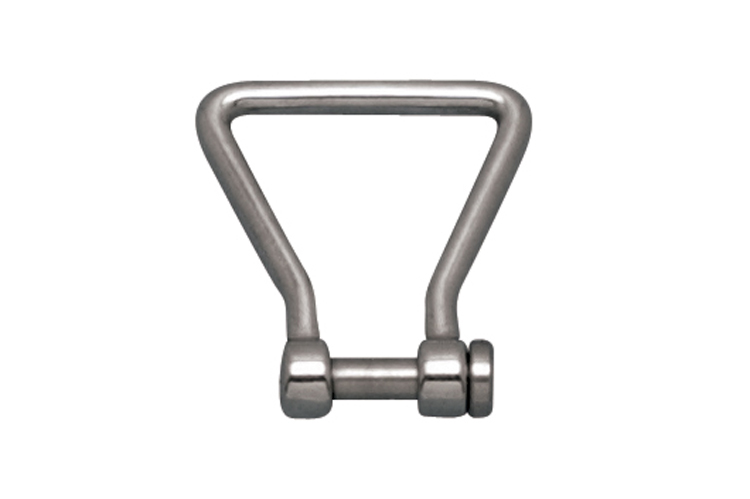
Start with the fitting function, tube outside diameter and required angle. Then compare the family dimensions, mounting pattern, fastener size and intended service before ordering.
Rail fittings are manufactured for specific tube outside diameters. A fitting described for 1-inch tube must be checked against the actual outside diameter and wall thickness of the tube being used.
An end fitting terminates or supports the end of a rail section. A center fitting joins or supports sections through an intermediate position. The exact geometry and angle must match the installation.
Use the published angle as a starting point, then verify the installation geometry and product drawing. A 60-degree, 90-degree or 120-degree fitting is not interchangeable simply because the tube size is the same.
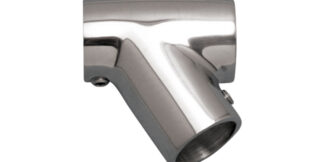
Left-hand and right-hand tees are oriented for opposite sides of an assembly. Universal tees are designed for broader positioning. Check the product image and dimensional drawing before selecting the orientation.
304 stainless performs well in many general environments. 316 stainless contains molybdenum and is generally preferred for marine, coastal and saltwater exposure. Always verify the material listed for the exact product.
No. Do not assume a fitting is suitable for towing, lifting, fall protection or other safety-critical service unless the manufacturer publishes that specific rating and intended use.
Use compatible fasteners, isolate dissimilar metals where required, seal deck penetrations appropriately and inspect fittings regularly. Rinse salt deposits with fresh water and replace hardware showing deformation, cracking, looseness or severe corrosion.
Showing 25–29 of 29 results
Showing 25–29 of 29 results