PRODUCT FAMILY
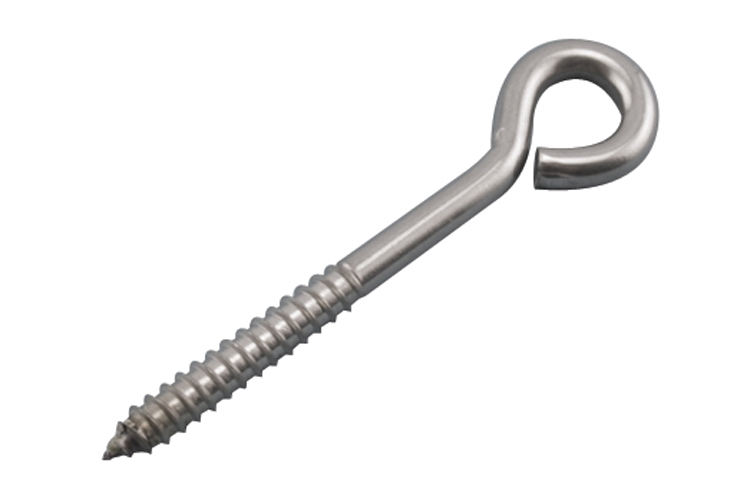
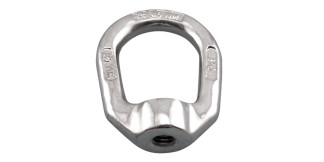
304 Stainless Steel Lag Eye Screws
SKU: FAM-S0327
Price range: $1.69 through $5.25
View products
Shop stainless steel fasteners for marine, coastal, industrial and architectural work, including screws, nuts, washers, threaded inserts, rivet-nut inserts, eye nuts, J-bolts, pins and spike nails. The range includes corrosion-resistant 303, 304 and 316 stainless steel families with metric, UNC and UNF thread options for compatible assemblies.
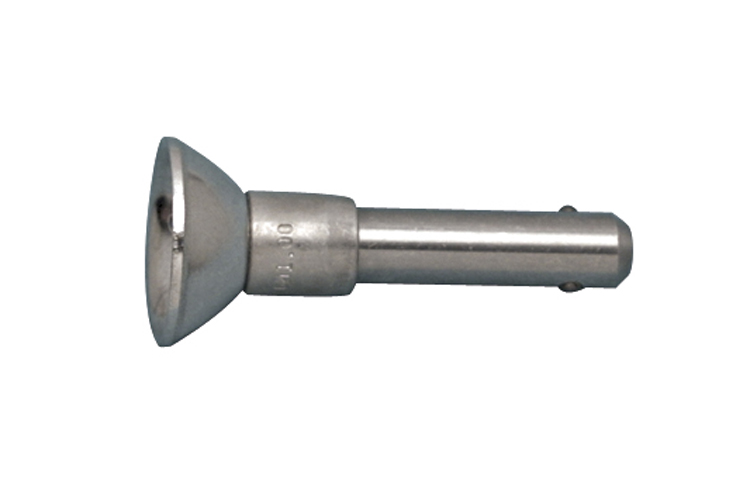
Use the guided fastener finder below to compare machine screws and wood screws, standard and specialty nuts, flat and split-lock washers, threaded inserts, forged lifting eye nuts, quick-lock pins and other fastening families. Filter by left-hand or right-hand direction, coarse or fine thread, metric sizing, head style, locking function and stainless grade, then open the family page to select the exact size.
Always confirm diameter, length, thread series, pitch, direction, head or drive style, material grade and installation requirements before ordering. Stainless threads can gall if installed dirty, dry, too quickly or with excessive torque, so use an appropriate lubricant or anti-seize where permitted. Lifting eye nuts and other load-critical hardware must be specifically rated for the intended load direction, thread engagement and complete installation.
Compare fastener type, thread system, head or locking style and stainless grade. Options within one section broaden the results; selections in different sections work together.
SKU: FAM-S0327

SKU: FAM-S0307-UN07

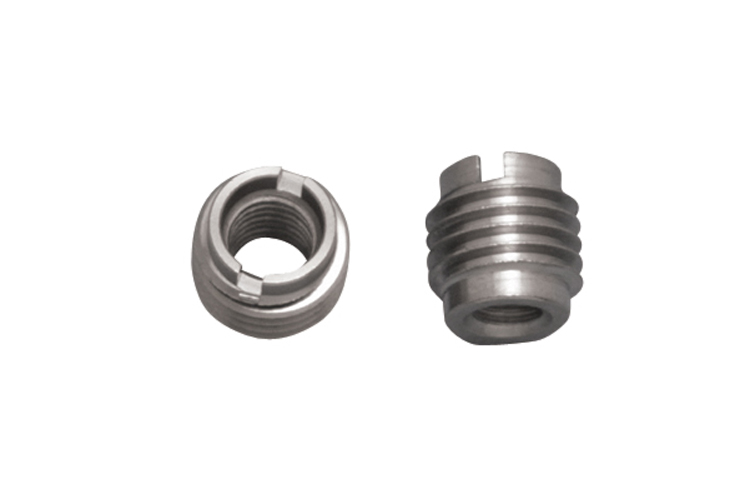
SKU: FAM-S0385
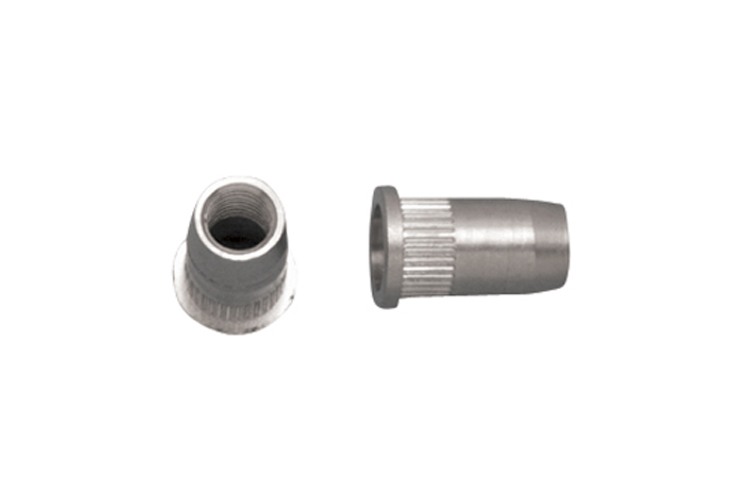
SKU: FAM-S0382-R
SKU: FAM-S0381
SKU: S0382-L007
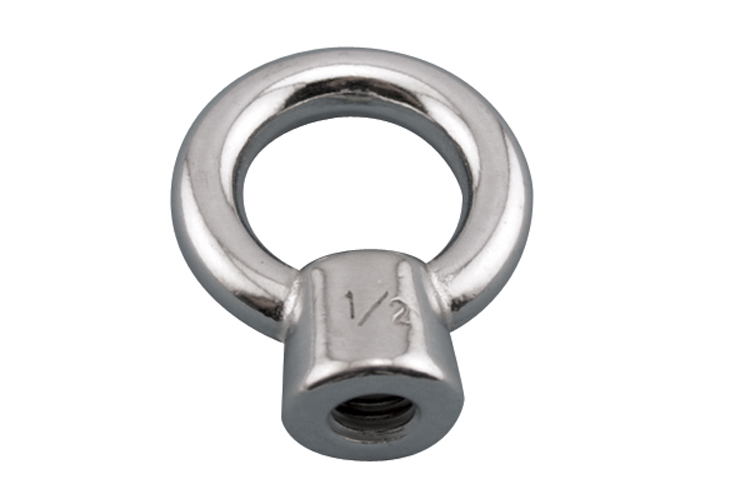
SKU: FAM-S0321-B
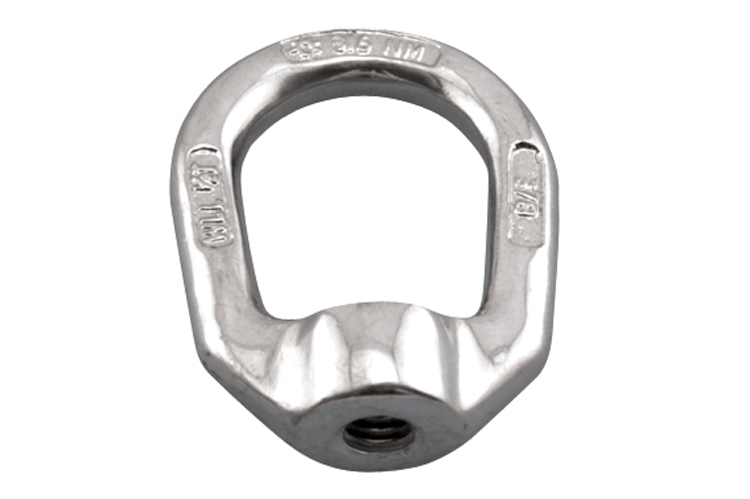
SKU: FAM-S0322-I
SKU: FAM-S0322-M
SKU: FAM-S0321-UNC

SKU: FAM-S0358

SKU: FAM-S0340
SKU: FAM-S0375
303 stainless machines cleanly and is used for selected threaded inserts. 304 stainless provides good general corrosion resistance. 316 stainless contains molybdenum and is generally preferred for marine, coastal and chloride exposure. Confirm the grade of the exact ordering SKU.
UNC is the Unified coarse series, UNF is the Unified fine series, and metric threads are specified by diameter and pitch in millimeters. Similar-looking parts may have incompatible pitch. Match the complete thread specification, not diameter alone.
Right-hand threads tighten clockwise and are the common standard. Left-hand threads tighten counterclockwise and are used where rotation, assembly geometry or opposing-thread tensioning requires them. Never force one direction into the other.
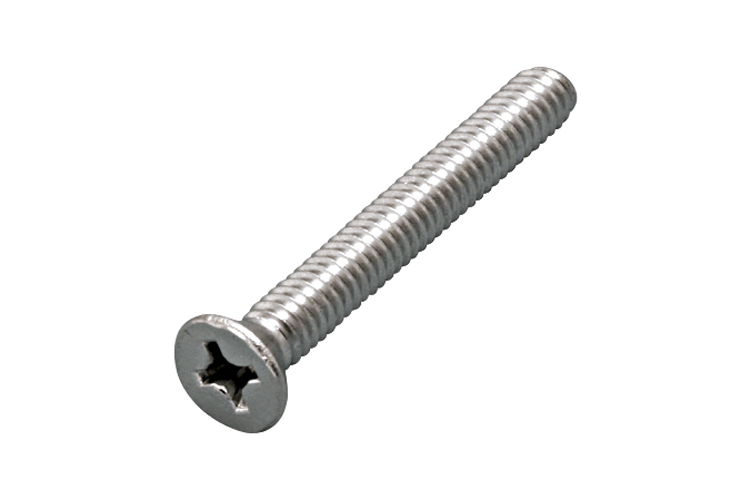
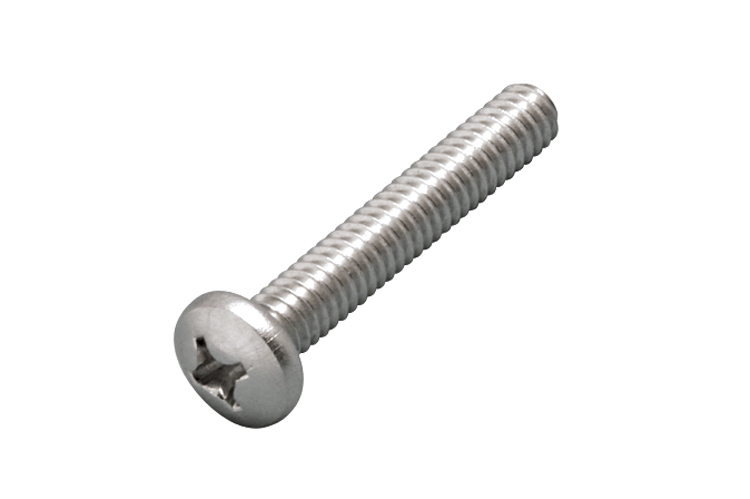
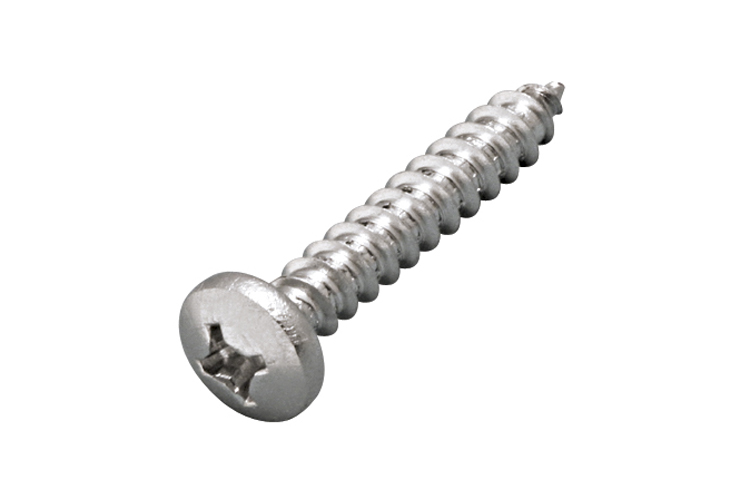
Machine screws mate with a tapped hole or compatible nut. Wood screws form or engage threads in suitable timber or engineered material. Choose the correct diameter, length, pilot hole, head style and substrate-specific installation method.
Flat-head screws sit flush in a correctly formed countersink. Pan-head screws have a raised rounded head with a flat bearing surface. The installation must provide the matching seat; overtightening a countersunk fastener can damage the material.
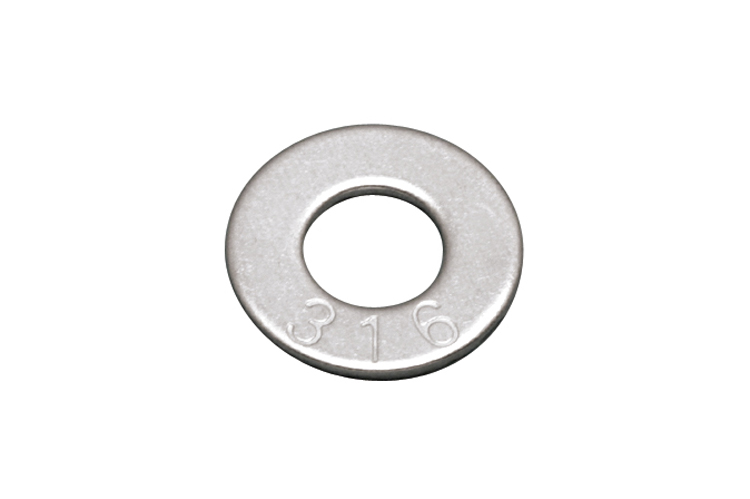
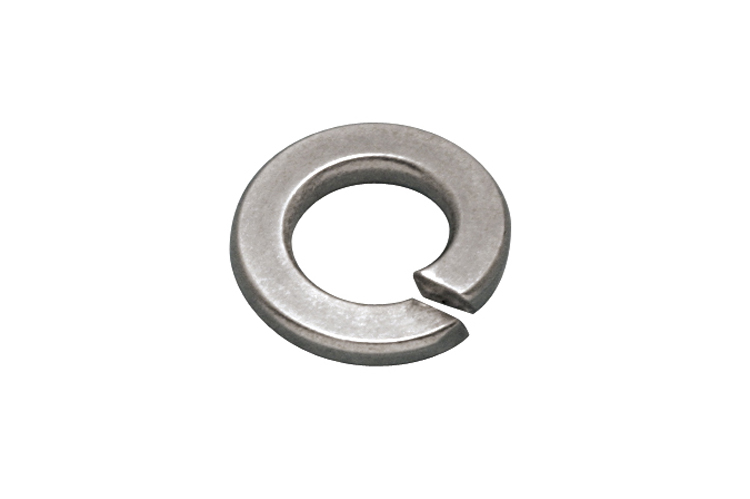
Flat washers spread bearing load and protect the joint surface. Split lock washers add spring action but are not a universal solution for vibration. Select a locking method appropriate to the joint, service and governing specification.
Inserts provide reusable internal threads where the base material is thin, soft or cannot accept a conventional tapped thread. Hole preparation, grip range, installation tool and parent material are critical to joint performance.
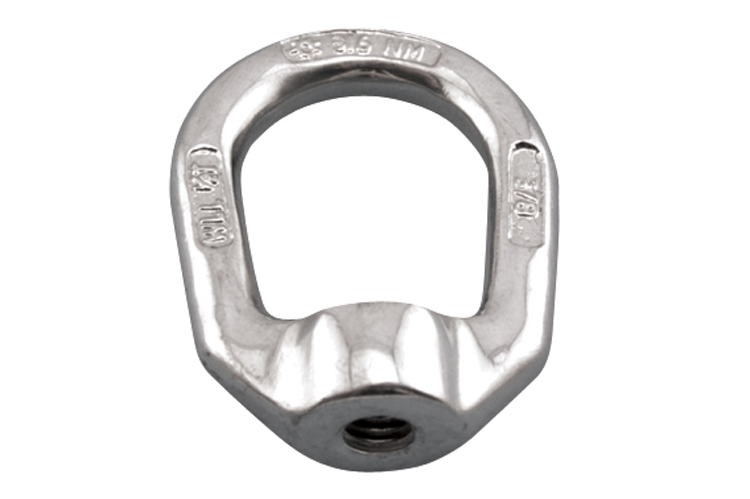
No. Blank eye nuts, general eye nuts and forged lifting eye nuts have different designs and intended uses. Use lifting hardware only when the exact item, load direction, thread engagement and complete assembly are explicitly rated for the application.
Keep threads clean, avoid impact installation and excessive speed, use appropriate lubrication or anti-seize where permitted, and tighten smoothly to the specified torque. Replace damaged threads; forcing a binding stainless joint can seize it permanently.
Showing 1–12 of 28 results

Showing 1–12 of 28 results